8 Common Reasons You Wake Around 3–4 AM
-
Stress, rumination, or early cortisol rise: Chronic worry, unprocessed stress, or an early rise in cortisol and adrenaline can jolt you awake in the early morning—and once awake, a racing mind keeps sleep pressure from pulling you back under.
-
Alcohol or late-night evening drinks: Alcohol may make you drowsy at bedtime, but as your liver metabolizes it a few hours later, it fragments sleep, triggers REM rebound, dehydrates you, and can cause early-morning waking.
-
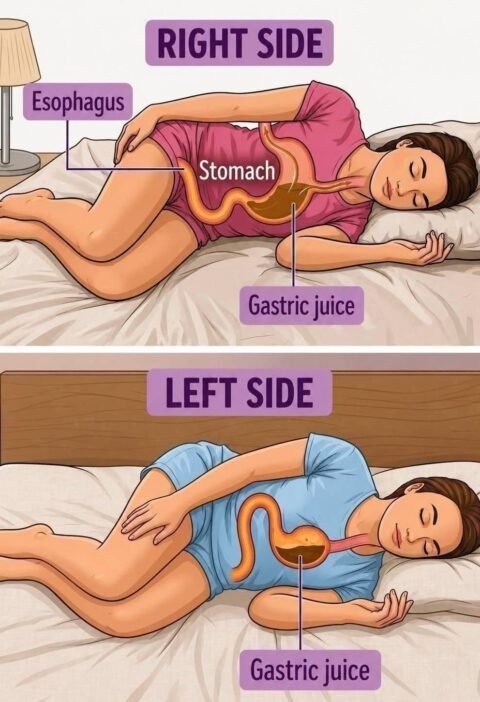
Blood sugar dips or heavy late meals: Going to bed very hungry or eating a heavy, sugary, or high-fat meal late at night can cause nighttime glucose fluctuations, reflux, or digestive discomfort that surfaces around 3–4 AM.
-
Bedroom temperature or bedding swings: Core body temperature naturally dips in the early hours; if your room or blankets are too warm (or if you cool down and feel chilled), thermal discomfort can break your sleep.
-
Nighttime urination (nocturia): Drinking lots of fluids right before bed, caffeine/alcohol late in the day, an overactive bladder, prostate changes, or sleep apnea can wake you to use the bathroom—and turning on bright lights or checking the clock can make falling back asleep tough.
-
Obstructive sleep apnea or airway narrowing: Repeated partial or complete airway narrowing—especially during REM sleep when throat muscles relax more—can trigger micro-arousals, gasping, dry mouth, or morning headaches in the second half of the night.
-
Medications, stimulants, or nicotine: Afternoon/evening caffeine, nicotine, decongestants, certain antidepressants, steroids, or blood pressure/diuretic timing can subtly disturb sleep continuity in the early morning hours.
-
Perimenopause/menopause, chronic pain, or mood shifts: Hormonal temperature fluctuations (hot flashes/night sweats), joint or back pain, or early-morning awakening tied to depression or anxiety frequently show up right in this window.
Practical Ways to Reset Early-Morning Waking
| What You Do | Why It Helps |
| Keep your wake-up time steady & get morning light | Anchors your circadian clock and builds healthy sleep pressure by bedtime |
| Avoid clock-watching in the middle of the night | Checking the time fuels math and worry (“I only have two hours left”), increasing alertness |
| Don’t lie awake frustrated for long | If you’re wide awake after roughly 20–30 minutes, get out of bed into dim light and do something calm/quiet (like reading a physical book) until eyelids feel heavy |
| Tighten up evening habits | Cut off caffeine earlier in the day, avoid alcohol near bedtime, keep the bedroom cool and dark, and avoid bright phone screens during night bathroom trips |