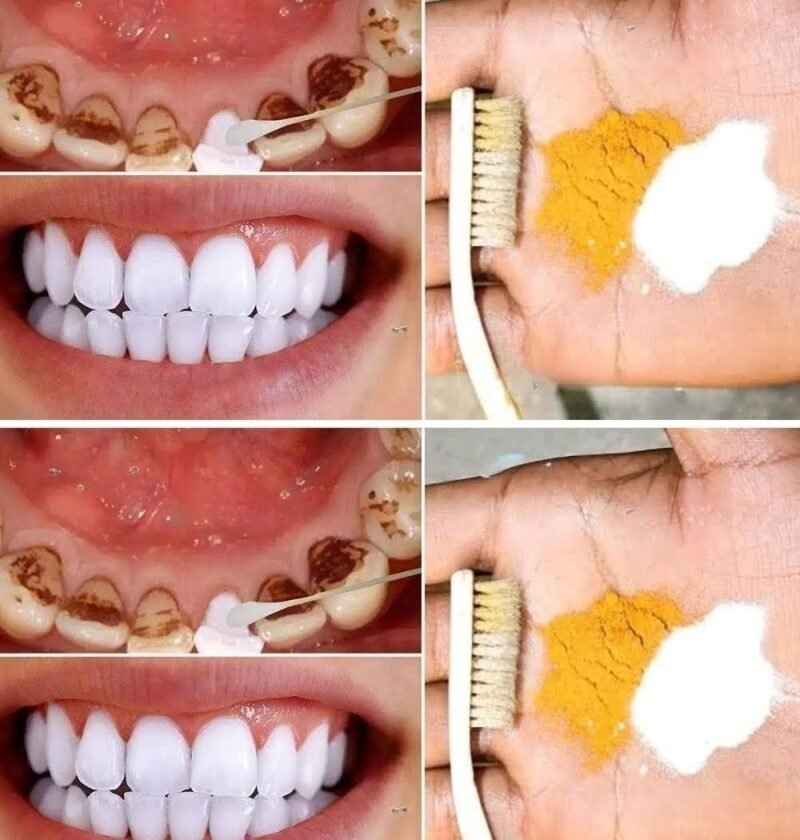
Getting noticeably whiter teeth in just 2 minutes isn’t medically possible—true bleaching takes time to lift deep stains—though quick routines can immediately polish away surface film or create a temporary optical illusion of brightness.
Here is what actually works in 2 minutes versus what delivers lasting whitening, along with the DIY hacks to avoid so you don’t damage your enamel.
What You Can Do in 2 Minutes (Surface Polish & Temporary Brightness)
-
Brush with an ADA-accepted whitening toothpaste: Gently brush for a full 2 minutes using a soft-bristled toothbrush. These pastes use mild, safe abrasives (like hydrated silica) to scrub away fresh plaque and surface stains from coffee, tea, or food.
-
Use a purple color-correcting serum or toothpaste: Because purple sits opposite yellow on the color wheel, temporary violet-tinted formulas deposit a sheer pigment that optically neutralizes yellow tones right away. The effect washes off within a few hours, making it a quick fix before photos or an event.
-
Rinse thoroughly with water after staining foods: Swishing plain water for 30 seconds immediately after drinking coffee, tea, or dark sodas prevents tannins and acids from settling into your enamel.
What Actually Whitens Teeth (Takes Days to Weeks)
Lasting shade changes require hydrogen peroxide or carbamide peroxide to penetrate the enamel and break down deeper pigment molecules:
| Method | Timeframe | Best For |
| Whitening Strips | 30 minutes/day for 7–14 days | Even, noticeable shade lifting at home |
| Custom Dentist Trays | 30–60 minutes/day for 1–2 weeks | Targeted whitening with less gum irritation |
| Whitening Pens | 10–15 minutes of drying time | Spot touch-ups on the go |
“2-Minute” DIY Hacks to Skip
Many viral rapid-whitening trends strip away your protective enamel, which exposes the naturally yellower dentin layer underneath and makes teeth look darker and feel sensitive over time:
-
Lemon juice, apple cider vinegar, or fruit scrubs: High acidity erodes enamel on contact.
-
Raw baking soda pastes or activated charcoal: Overly abrasive particles scratch enamel surfaces, creating tiny grooves that trap future stains faster.
-
Straight household hydrogen peroxide: Undiluted rinses can burn your gums and trigger sharp nerve sensitivity.
A quick tip for sensitivity: If you start using peroxide strips or trays, pair them with a fluoride or potassium nitrate sensitivity toothpaste for a week beforehand to keep discomfort to a minimum.