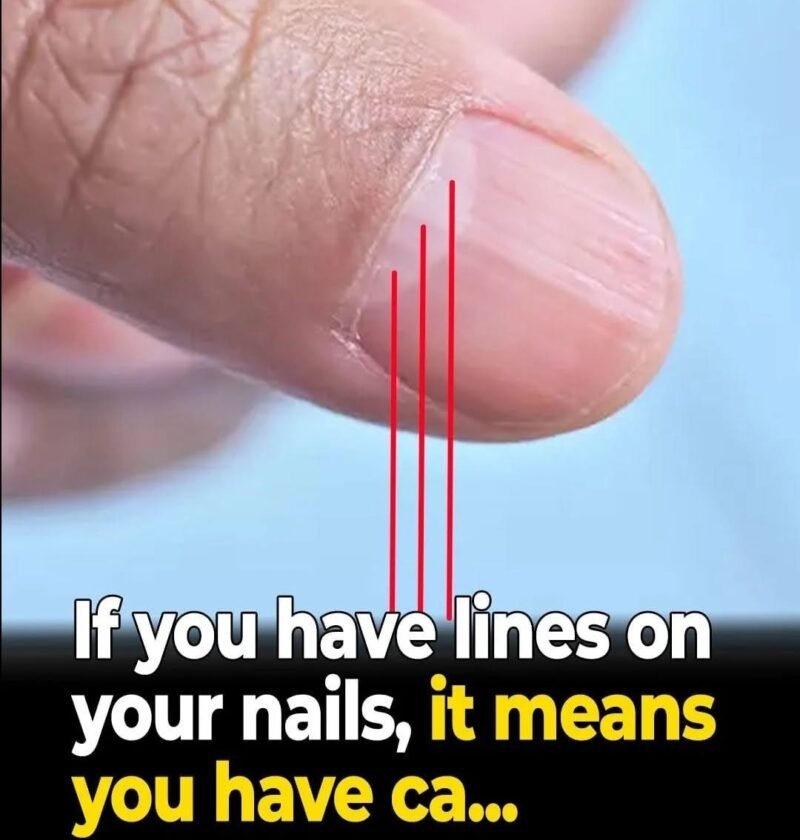
When longevity experts and medical researchers look at fingernails to gauge biological aging or health, they are usually pointing to a specific physiological metric: the rate of nail growth.
The Connection Between Nail Growth and Aging
Scientific data—frequently highlighted by longevity researchers like Harvard’s Dr. David Sinclair—points back to classic studies showing that fingernail growth slows down steadily as we age.
-
The 0.5% Rule: Research has found that weekly fingernail growth decreases by roughly 0.5% per year starting around age 30 (with a cumulative drop of about 50% over a lifetime).
-
Cellular Turnover and Circulation: Nails are made of keratin, and their growth depends heavily on efficient cellular regeneration, metabolism, and robust peripheral blood circulation. As circulation and cellular efficiency naturally decline over time, nails grow more slowly.
-
What it means: While it isn’t a precise crystal ball for your exact life expectancy, a slower growth rate mirrors the body’s overall drop in regenerative capacity and biological aging.
Other Serious “Telltale Signs” in Your Nails
Beyond growth speed, doctors look at structural and color changes in the nails as windows into underlying systemic health:
-
Nail Clubbing (Curved, Widened Fingertips): When the tips of the fingers become enlarged and the nails curve downward sharply, it often signals chronic low oxygen levels in the blood. This can be linked to long-term pulmonary conditions (like COPD or lung cancer) or cardiovascular issues.
-
Terry’s Nails (Mostly White with a Dark Strip): If the nails turn mostly white with a narrow pink or reddish band at the top, it can sometimes indicate underlying systemic conditions like liver disease, congestive heart failure, or diabetes.
-
Spoon Nails (Koilonychia): Nails that become thin, brittle, and concave (dented inward like a spoon) are frequently a sign of severe iron-deficiency anemia or metabolic stress.
-
Dark Vertical Streaks: A dark brown or black stripe running from the cuticle to the tip should always be evaluated promptly, as it can occasionally point to subungual melanoma (a serious form of skin cancer under the nail bed).
While day-to-day changes in nail strength or brittleness are usually just tied to hydration, aging, or frequent handwashing, sudden or radical shifts in nail shape, color, or growth speed warrant a professional medical look.