When people picture life at 80 and beyond, they often assume it is entirely dictated by pure genetics or luck. While biological inheritance plays a role, decades of landmark longevity research—most notably the Harvard Study of Adult Development, one of the longest-running studies of human life ever conducted—reveal a surprising truth: genetics are not the primary driver of health and happiness in our later decades.
In fact, how well we thrive after 80 comes down to factors within our control, challenging many common cultural assumptions about aging.
What Doesn’t Matter As Much As We Think
-
Inherited Longevity Alone: While family history gives us a baseline, researchers found that by the time people reach their 80s, the physical markers of their parents’ lifespans matter far less than their own accumulated daily habits.
-
Wealth and Status: Beyond having financial security to cover basic needs, accumulated wealth does not correlate with happiness or vitality in advanced age.
The 3 Real Pillars That Shape Life After 80
1. Quality Relationships (The #1 Predictor of Health)
The single most powerful finding from long-term aging studies is that the warmth and stability of our relationships protect our bodies and brains better than anything else.
-
The Mechanism: Chronic loneliness triggers persistent low-grade inflammation and elevated stress hormones (cortisol), which accelerate cellular aging, cardiovascular strain, and cognitive decline. Conversely, feeling emotionally and physically secure with trusted friends or family acts as a biological buffer against stress, keeping immune and neurological systems robust.
2. Maintaining Muscle Mass and Functional Strength (Sarcopenia Prevention)
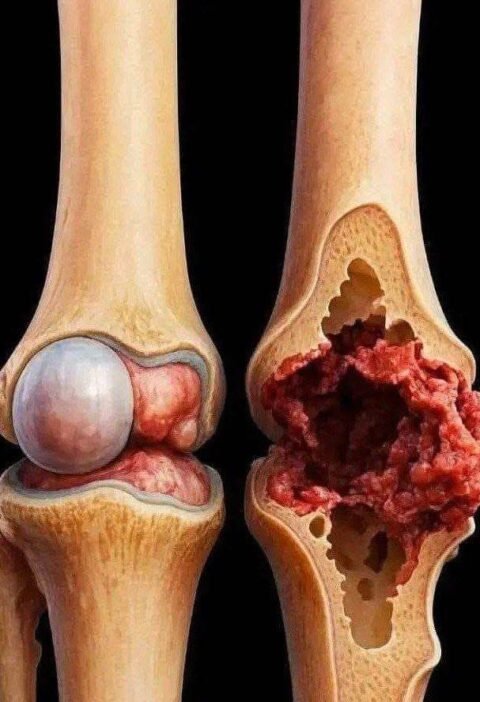
After age 50, adults naturally begin losing muscle mass (a process called sarcopenia), but how that progresses into the 80s is entirely dependent on physical load.
-
The Mechanism: Independence in later life is rarely lost because of organ failure alone; it is lost due to falls and frailty. Regular, moderate resistance movement—whether carrying groceries, climbing stairs, or using light resistance bands—signals the body to maintain muscle fibers and bone density, preserving balance, mobility, and spatial confidence.
3. Purpose and Daily Cognitive Engagement
The human brain thrives on novelty and purpose, regardless of the calendar year.
-
The Mechanism: Seniors who maintain a daily sense of purpose—whether through volunteering, mentoring, creative hobbies, or continuous learning—show significantly greater cognitive resilience. Staying engaged helps build cognitive reserve, buffering the brain against age-related changes.
Shifting the Focus
Thriving after 80 isn’t about chasing anti-aging fads or fighting time; it is about cultivating what nourishes us from the inside out: staying physically active in ways that protect mobility, nurturing deep connections with people who matter, and keeping curiosity alive.