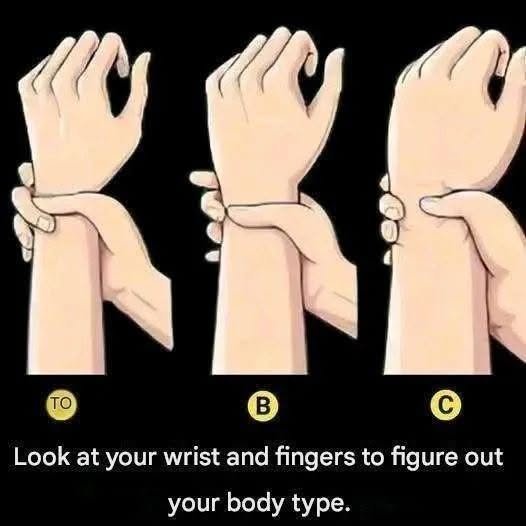
The idea that human bodies can be classified into distinct categories—ectomorph, mesomorph, and endomorph—is one of the most popular frameworks in fitness, nutrition, and personal training.
Where Did the Concept Come From? (A Quick Reality Check)
Before diving into the types, it’s worth noting a scientific nuance: these categories (called somatotypes) were originally created in the 1940s by psychologist William Herbert Sheldon. He attempted to link body shapes to personality traits—a theory modern science has thoroughly debunked.
However, the physical classification stuck. While modern exercise science views these body types not as rigid boxes, but as a spectrum, understanding your general tendencies can help tailor how you approach diet, strength training, and fitness goals.
The Three Body Types Explained
1. The Ectomorph (The “Lean & Long” Frame)
Ectomorphs naturally lean toward a slender build with delicate bone structures and fast metabolisms.
-
Key Characteristics:
-
Narrow shoulders, chest, and hips
-
Very low body fat and low natural muscle mass
-
“Hardgainer”—finds it difficult to gain weight or build muscle
-
Fast metabolism (burns calories rapidly)
-
-
Fitness & Nutrition Strategy: Focus on progressive heavy resistance training and a calorie surplus (eating more calories than you burn, prioritizing protein and complex carbohydrates) to build mass.
2. The Mesomorph (The “Naturally Athletic” Frame)
Mesomorphs possess a sturdy, muscular build that responds very efficiently to physical training.
-
Key Characteristics:
-
Naturally athletic, strong, and well-defined physique
-
Broad shoulders and a narrower waist (often described as an “inverted triangle” for men or hourglass for women)
-
Gains muscle and loses fat relatively easily
-
Efficient metabolism
-
-
Fitness & Nutrition Strategy: They have the most flexibility. A balanced mix of strength training, cardiovascular conditioning, and moderate caloric intake keeps them in peak shape.
3. The Endomorph (The “Solid & Soft” Frame)
Endomorphs have a stockier, softer build with a natural tendency to store energy and fat easily.
-
Key Characteristics:
-
Solid, thicker bone structure
-
Wider waist, hips, and joints
-
-
Gains muscle easily, but also holds onto body fat very efficiently
-
Slower metabolism (burns calories at a lower baseline rate)
-
Fitness & Nutrition Strategy: Focus on a combination of regular strength training (to build metabolically active muscle mass) and consistent cardiovascular exercise, paired with mindful portion control and a focus on protein, fiber, and healthy fats.
The Big Catch: Most People Are “Combos”
In reality, very few people fit neatly into just one category. You might have the upper body of an ectomorph (narrow shoulders and chest) combined with the lower body of an endomorph (wider hips and thighs), or you might shift somatotypes over time as you age, change your activity levels, or alter your diet.
Think of your body type not as a life sentence or a strict rulebook, but as a starting baseline to help you figure out how your body uniquely responds to food and exercise.