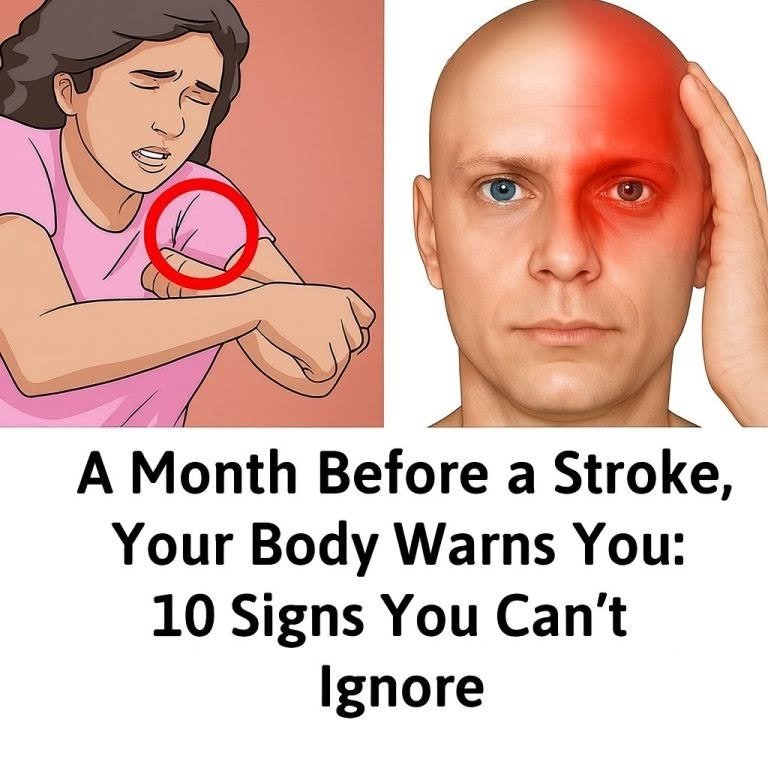
Another sensational headline claiming your body sends distinct warning signs “a month before a stroke” is designed to catch your eye by blurring the lines between chronic health risks and a sudden medical emergency.
From a neurological standpoint, a major stroke (whether ischemic or hemorrhagic) is an acute, sudden event. It happens abruptly when a blood vessel in the brain is blocked or bursts, cutting off oxygen within minutes. A stroke itself doesn’t slowly “cook” for weeks in advance.
However, there is a very important clinical truth hidden behind these viral lists: Transient Ischemic Attacks (TIAs) and unmanaged vascular risk factors.
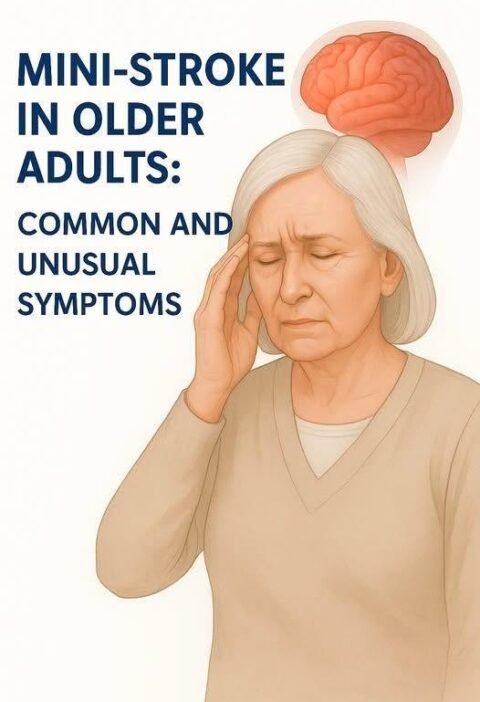
The Real Precursor: What is a TIA (Mini-Stroke)?
Many people who experience a major stroke recall having had strange, fleeting neurological symptoms in the days or weeks leading up to it. In most cases, these were TIAs (Transient Ischemic Attacks).
-
What happens: A blood clot temporarily blocks an artery in the brain and then dissolves on its own before permanent damage occurs.
-
The Symptoms: They mimic a real stroke—sudden weakness or numbness on one side of the body, temporary slurred speech, or sudden vision blurring.
-
The Catch: Because the symptoms completely resolve within a few minutes to an hour, people often brush them off as “just being tired,” a pinched nerve, or a weird spell.
-
Why it matters: A TIA is a critical red flag. Medical data shows that a significant percentage of people suffer a major stroke shortly after ignoring a mini-stroke.
Chronic Signals vs. Acute Emergencies
Viral lists often bundle general, chronic symptoms (like fatigue, brain fog, or generalized headaches) under “stroke warnings.” While these can indicate poor cardiovascular health or chronic high blood pressure, they are not specific stroke symptoms on their own.
True vascular warning signs are defined by their sudden onset. Doctors rely on the internationally recognized B.E. F.A.S.T. acronym to recognize these acute warning signs:
-
B – Balance: Sudden loss of balance, dizziness, or lack of coordination.
-
E – Eyes: Sudden trouble seeing in one or both eyes (blurring, double vision, or loss of sight).
-
F – Face Drooping: One side of the face droops or feels numb when trying to smile.
-
A – Arm Weakness: Sudden weakness or numbness where one arm drifts downward when raised.
-
S – Speech Difficulty: Slurred speech, garbled words, or an inability to understand simple sentences.
-
T – Time: Time to call emergency services immediately if any of these signs appear—even if they go away on their own.
Protecting Your Vascular Health
Instead of looking for vague monthly countdown signs, the best defense against a stroke is managing the root causes that damage blood vessels over time: keeping blood pressure and cholesterol in check, managing diabetes, avoiding smoking, and treating any sudden, transient neurological event as a medical emergency.