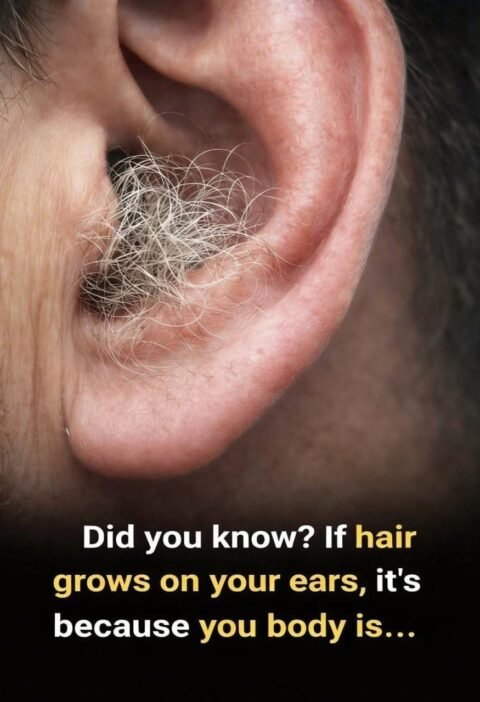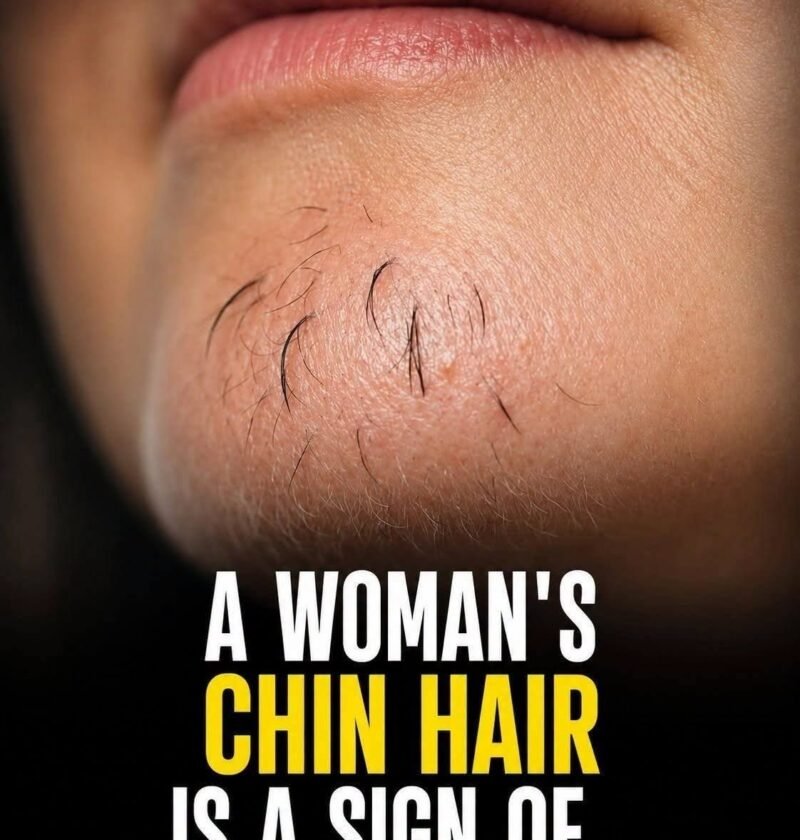
Finding a stray, coarse chin hair as the years tick by is an extremely common annoyance that most women experience at some point. However, when chin and jawline hair growth becomes heavier, darker, or more persistent, medical experts note that it can indeed be a sign of underlying shifts rather than just normal aging.
In medicine, excess coarse hair growth in women in a male-typical pattern (such as the chin, upper lip, chest, or back) is known as hirsutism. It is usually driven by how hair follicles react to hormones, and it can point to several physiological causes:
1. Hormonal Shifts and Androgen Sensitivity
Everyone’s body produces both female and male hormones (androgens like testosterone), but the balance matters.
-
The Mechanism: Hair follicles on the face and chin are exceptionally sensitive to androgens. If your body experiences a shift where androgen levels rise—or if your skin’s receptors simply become more sensitive to normal levels of androgens—fine “peach fuzz” can be stimulated to transform into thick, dark terminal hairs.
2. Polyendocrine Metabolic Ovarian Syndrome (PMOS / PCOS)
One of the most common medical reasons for sudden or excessive hirsutism during reproductive years is Polycystic Ovary Syndrome (PMOS) (frequently referred to historically as PCOS).
-
What happens: PMOS involves a hormonal imbalance that causes the ovaries to produce higher-than-normal levels of androgens. It is often linked to insulin resistance, and alongside chin hair, it can accompany symptoms like irregular periods, stubborn weight fluctuations, or adult acne.
3. The Menopausal Transition
As women approach and go through menopause, estrogen and progesterone levels take a sharp downward dive.
-
What happens: While female hormones drop, the baseline amount of androgens your body produces remains relatively steady. This sudden shift in the ratio of estrogen to testosterone can unmask minor hormonal imbalances, leading to a sudden surge of stray chin or jawline hairs even in women who never experienced them in their youth.
4. Other Rare Metabolic or Endocrine Factors
Less commonly, persistent or rapid-onset hair growth can be tied to other internal conditions, such as:
-
Cushing’s Syndrome: A condition involving excess cortisol production.
-
Non-Classic Congenital Adrenal Hyperplasia: A mild, inherited enzyme disorder affecting adrenal hormone production.
-
Certain Medications: Certain prescription drugs or topical treatments can stimulate hair growth as a side effect.
When Is It Just “Normal Aging”?
A stray coarse hair or two appearing on the chin as you age is typically just a harmless quirk of changing hair growth cycles and minor shifts in hormone ratios. However, doctors recommend paying attention to the pattern:
-
A single or few scattered hairs that appear slowly over time are usually benign and easily managed with plucking, waxing, or laser hair removal.
-
Rapid, thick hair growth spreading across the chin, jawline, or upper lip—especially if paired with irregular menstrual cycles, unexplained weight changes, or adult acne—is worth mentioning to your primary care doctor, gynecologist, or an endocrinologist for a simple hormone evaluation.