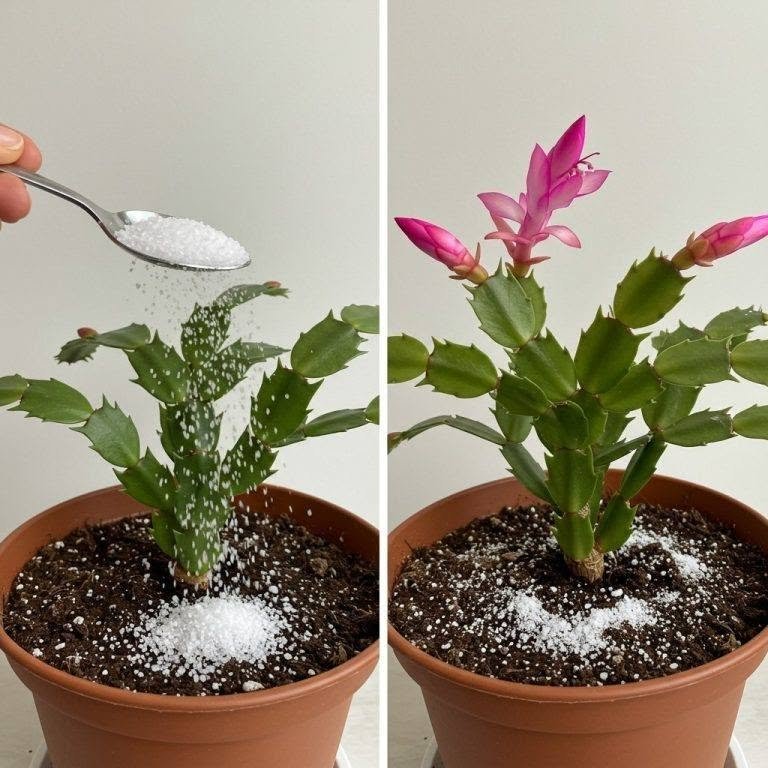
Catchy home and garden headlines love to promise a “little secret” or miraculous kitchen tonic that will instantly awaken sleepy houseplants and make them burst into vibrant growth as the seasons change.
While there is no magic potion that replaces the laws of botany, autumn is a genuinely critical transition period for indoor plants. As daylight hours shrink and indoor heating kicks on, your houseplants face a sudden environmental shift that often leads to drooping leaves, slowed growth, or unexpected yellowing.
The Reality Behind “Fall Plant Awakening” Tricks
Many viral plant hacks suggest dumping leftover coffee, eggshells, or secret tonic mixtures into your pots to “shock” plants back to life. While some organic additions offer mild nutrients, plants don’t need gimmicks—they need their core survival signals managed as the seasons change:
-
The Light Shift: As the sun moves lower in the sky and days get shorter, windowsills that were bright all summer suddenly become dim. Plants that thrived in a certain spot for months may now be starving for light.
-
The Indoor Heating Dilemma: When furnaces turn on, indoor humidity plummets, and dry, blowing air can crisp up leaf tips—especially for tropical houseplants like ferns, calatheas, and monsteras.
-
The Dormancy Transition: Most indoor plants naturally slow down their growth or go semi-dormant during late autumn and winter. Pushing them to grow aggressively with heavy fertilizers during this time can actually stress them out.
What Actually “Breathing Life” Into Houseplants In Autumn Requires
If you want your indoor flowers and green plants to thrive through the cooler months, skip the unverified internet tonics and focus on these practical adjustments:
-
Relocate for Maximum Light: Move your sun-loving houseplants closer to south- or west-facing windows to help them catch every possible minute of dwindling daylight.
-
Back Off on Watering: Because evaporation slows down significantly in cooler weather and plants are growing less, soil stays wet much longer. Let the top couple of inches dry out completely before watering to prevent root rot.
-
Boost Ambient Humidity: Combat dry furnace air by grouping plants together, placing them on pebble trays filled with water, or running a small humidifier nearby.
-
Hold the Fertilizer: Pause heavy feeding until spring. Since plants aren’t actively producing new leaves and stems during winter, extra fertilizer just builds up in the soil and can burn their roots.