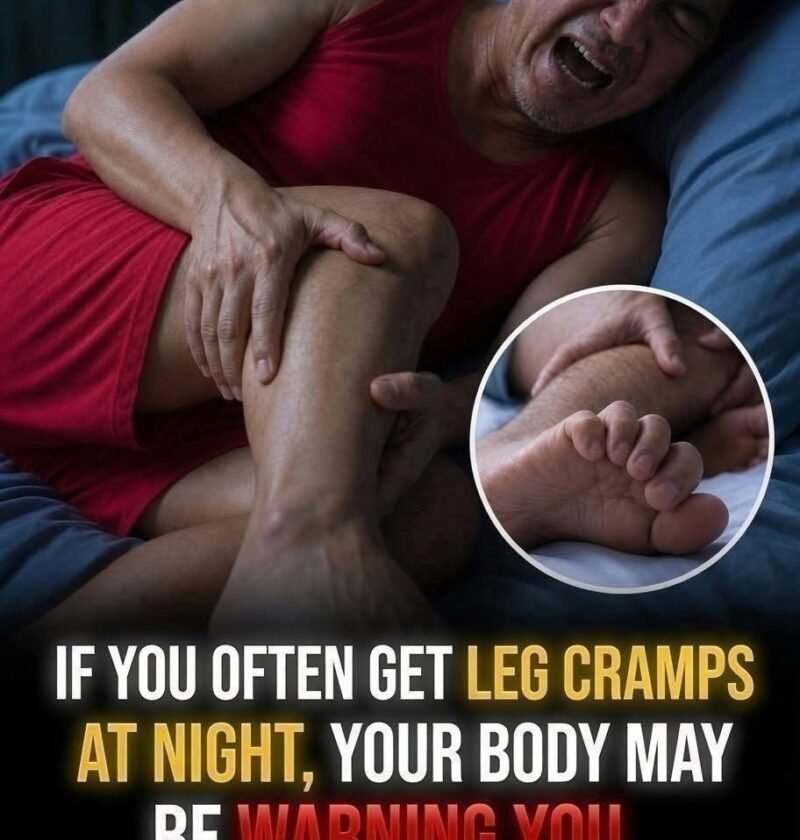
Viral health reels and clickbait wellness articles love to use alarming hooks like “If You Often Get Leg Cramps at Night, Your Body May Be Sending a Warning Sign”—often pairing them with frightening warnings about impending strokes, severe vascular disease, or sudden organ failure to drive panic and clicks.
When vascular surgeons, neurologists, and sports medicine physicians look at nocturnal leg cramps (those sudden, excruciating muscle contractions that lock up your calf or foot in the middle of the night), the reality is much more common—and far less terrifying—than internet hype suggests. While chronic cramps can occasionally signal an underlying medical condition, the vast majority are harmless and tied to simple neuromuscular fatigue, hydration shifts, or biomechanics.
Here is what science and medicine actually say about why nocturnal leg cramps happen, what they might be warning you about, and how to stop them:
1. The Normal Culprit: Neuromuscular Fatigue
The most frequent cause of nighttime leg cramps has nothing to do with a scary systemic disease and everything to do with how you used your muscles during the day.
-
The Mechanism: Skeletal muscles contract and relax via a delicate electrical and chemical balance involving calcium, sodium, potassium, and magnesium. If you spent all day standing on hard floors, engaged in an unusual workout, or wore unsupportive footwear, your motor neurons can become hyper-excitable.
-
The Result: As your body relaxes into sleep and core body temperature drops, tired nerves can misfire, causing the muscle fibers in your calf or foot to lock into a painful, involuntary spasm.
2. Electrolyte and Hydration Shifts
-
The Mechanism: Dehydration reduces total blood volume and alters the concentration of vital electrolytes (like magnesium and potassium) that regulate muscle contraction and relaxation.
-
The Reality: While severe electrolyte imbalances do cause cramping, a random night cramp doesn’t automatically mean you have a dangerous deficiency. However, inadequate overall fluid intake or heavy sweating during the day makes muscles significantly more prone to seizing up at rest.
3. Pregnancy and Circulatory Changes
-
Pregnancy: Nocturnal leg cramps are notoriously common during the second and third trimesters. This is driven by a combination of rapid weight gain, altered posture, shifting mineral demands, and changes in blood circulation as the body accommodates a growing fetus.
-
Venous Insufficiency: Mild pooling of blood in the lower extremities due to sluggish venous return (varicose veins or poor circulation) can sometimes contribute to evening or nighttime cramping as the leg muscles relax.
When Leg Cramps Are a Warning Sign
While most nighttime cramps are benign (known medically as “idiopathic nocturnal leg cramps”), certain patterns warrant a conversation with a doctor:
-
Peripheral Artery Disease (PAD): Unlike sudden nighttime cramps, PAD causes cramping, aching, or fatigue in the legs specifically while walking or exercising (claudication) due to narrowed arteries, which eases with rest.
-
Peripheral Neuropathy or Nerve Compression: Conditions like diabetes or a pinched nerve in the spine can alter nerve signals to the legs, sometimes manifesting as unusual spasms, numbness, or cramping.
-
Medication Side Effects: Certain common prescriptions—most notably diuretics (water pills) used for high blood pressure—can rapidly deplete potassium or magnesium levels, triggering frequent cramps.
Evidence-Based Ways to Prevent and Stop Nighttime Cramps
If you are tired of being jolted awake by a rock-hard calf muscle, skip the unverified supplements and try these proven strategies:
-
Gentle Stretching Before Bed: Taking 5 minutes before sleep to stretch your calves and hamstrings significantly reduces the excitability of muscle fibers overnight.
-
Stay Hydrated: Consistent fluid intake throughout the day keeps your blood volume and electrolyte balance stable.
-
Movement During the Day: If you have a sedentary desk job, make a point to get up and walk around periodically to keep lower-extremity circulation active.
-
What to Do When a Cramp Hits: When a cramp strikes, resist the urge to point your toes (which worsens the contraction). Instead, flex your foot upward—pulling your toes toward your shins—and gently massage the muscle, or stand up and walk around briefly to force the nervous system to reset the muscle fibers.