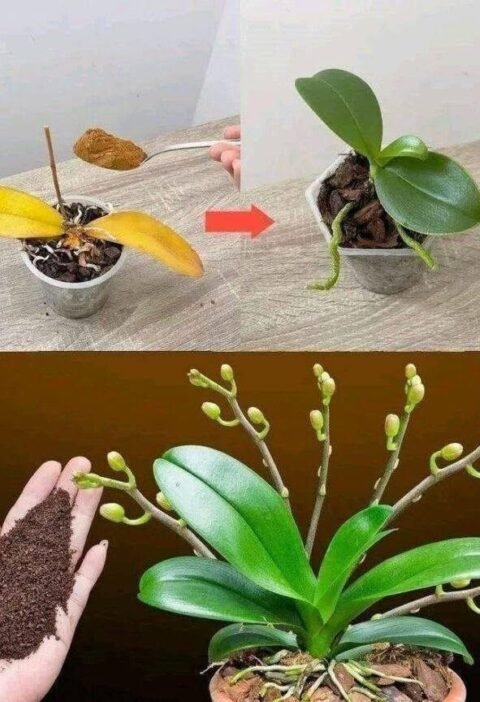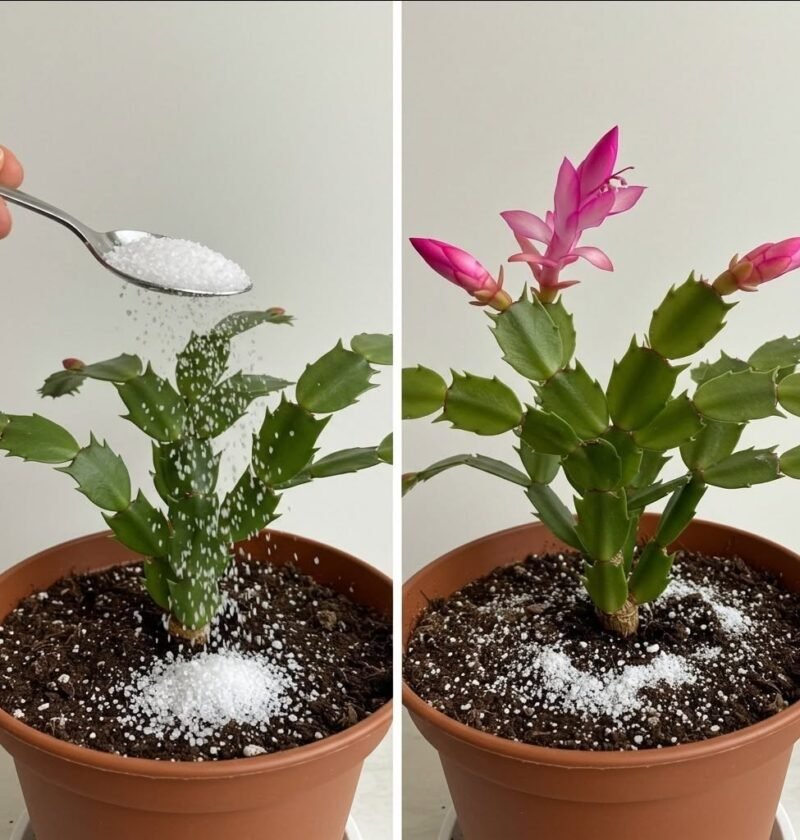
Viral gardening blogs and autumn lifestyle articles love to use dramatic, mysterious hooks like “Fall Awakening: Breathing Life into House Flowers with a Little Secret” to promise that a magical kitchen concoction or hidden trick will instantly revive drooping indoor plants as the weather cools.
While indoor plants do experience a seasonal shift during autumn as daylight hours shorten and indoor heating turns on, there is no secret elixir or hidden trick that bypasses basic plant biology. Understanding how houseplants actually respond to the autumn transition helps you keep your indoor greenery thriving without falling for viral gardening myths.
The Reality of Autumn and Houseplants
As summer transitions into fall, your home environment changes in a few very predictable ways that impact your houseplants:
-
Reduced Sunlight: The angle of the sun shifts, and daylight hours shorten, drastically cutting down the natural light your indoor plants receive near windows.
-
Dry Indoor Heating: When the furnace kicks on, humidity levels inside drop significantly, mimicking a dry desert climate for tropical houseplants.
-
Entering Dormancy: Many houseplants naturally slow down their growth or enter a semi-dormant resting phase during the cooler months, requiring less water and zero fertilizer.
What Actually Works (No “Secrets” Needed)
Instead of relying on viral “miracle secrets” (like burying eggshells, watering with soda, or spraying mystery mixtures), keeping your house plants healthy through the autumn months comes down to a few fundamental adjustments:
-
Adjust Your Watering Schedule:
-
Why: Because plants aren’t growing as rapidly and soil stays damp longer in cooler temperatures, overwatering is the #1 way houseplants die in the fall and winter. Always check the top couple of inches of soil before watering.
-
-
Move Sun-Loving Plants Closer to Windows:
-
Why: Compensate for shorter days by shifting tropical plants to your brightest south- or west-facing windows so they can soak up every bit of available light.
-
-
Boost Humidity:
-
Why: Grouping plants together, placing them on pebble trays filled with water, or running a humidifier near them counters the dry air caused by indoor heating.
-
-
Hold Off on Fertilizer:
-
Why: Feeding dormant or slow-growing plants in the fall forces unnatural growth that weak, low-light stems can’t support. Save the plant food for spring!
-
A little practical plant care beats a viral “secret” every time!