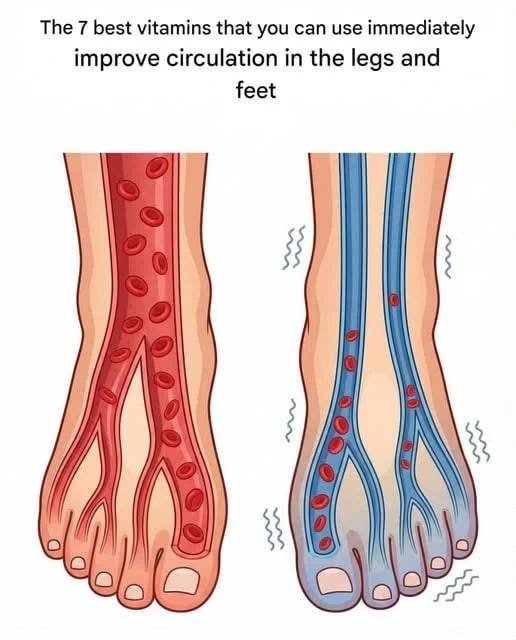
Viral health headlines claiming you can “fix poor circulation in just 20 minutes” rely on exaggerated, quick-fix clickbait. Poor circulation—whether it feels like cold hands and feet, heavy legs, or sluggish blood flow—is a physiological issue influenced by cardiovascular health, activity levels, and medical conditions. A 20-minute routine cannot magically reverse underlying vascular conditions.
However, moving your body for just 20 minutes can provide a very real, temporary boost to local blood flow and ease discomfort.
What Happens to Circulation in 20 Minutes?
When you engage in movement, your muscles contract and act like a pump (particularly the calf muscles in your lower legs), squeezing veins and helping push blood back up toward your heart against gravity.
A 20-minute burst of activity can:
-
Temporarily Increase Heart Rate and Cardiac Output: Pumping more blood efficiently through your vascular network.
-
Stimulate Nitric Oxide Production: Physical activity helps blood vessels dilate (open up), reducing resistance and improving regional blood flow.
-
Relieve Stasis: Getting up after prolonged sitting stops blood from pooling in the lower extremities.
A 20-Minute Movement Routine to Stimulate Blood Flow
If you’ve been sitting at a desk or on the couch and want to get your blood moving, a simple 20-minute low-impact routine helps activate your lower body pump:
Long-Term Management of Circulation
While a short walk or stretch offers immediate comfort, true circulatory health depends on long-term habits:
-
Regular Exercise: Consistent aerobic activity strengthens your heart muscle and keeps blood vessels flexible.
-
Hydration: Drinking enough water keeps your blood volume optimal, preventing blood from becoming sluggish or overly viscous.
-
Avoiding Prolonged Sitting: Taking a 2- to 3-minute movement break every hour prevents blood from pooling in your legs.
-
Addressing Root Causes: Chronic poor circulation can sometimes be a sign of underlying conditions like peripheral artery disease (PAD), venous insufficiency, or high blood pressure, which require medical evaluation rather than just home exercise.
Are you experiencing specific symptoms like cold extremities, swelling, or numbness, or are you looking for ways to stay active during a desk job?