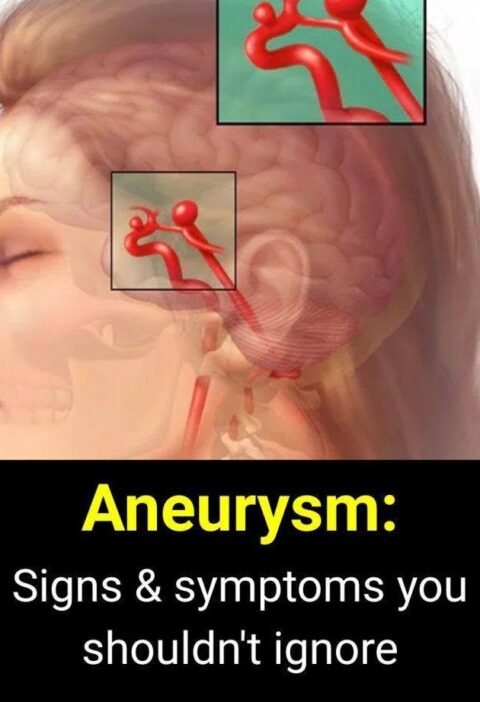
An aneurysm—a ballooning or bulge in a weakened blood vessel wall—is a serious medical condition. While aneurysms can occur in various parts of the body, the two most critical types are abdominal aortic aneurysms (AAAs) in the abdomen and cerebral aneurysms in the brain.
Medical guidelines note that aneurysms are more common in men than in women (particularly AAAs, which affect men at significantly higher rates). Because early aneurysms often grow silently without symptoms, doctors emphasize never ignoring the following warning signs:
1. Sudden, Severe “Thunderclap” Headache (Brain Aneurysm)
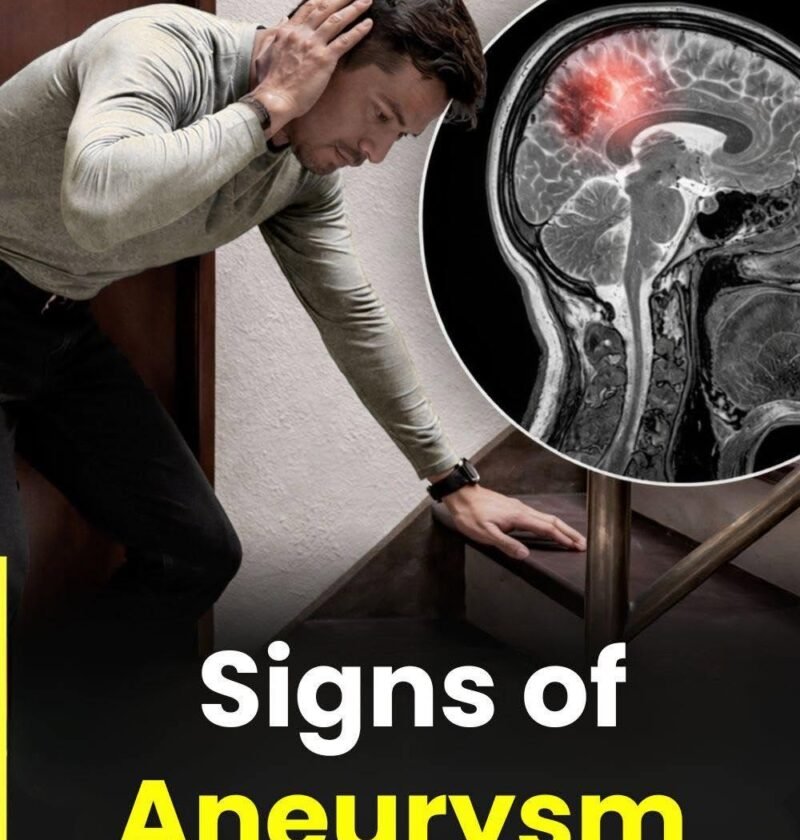
If an unruptured brain aneurysm begins to leak or stretches surrounding nerve tissue, or if it ruptures entirely, it triggers a sudden, excruciating headache often described by patients as “the worst headache of my life” or a sudden “thunderclap.” This may be accompanied by a stiff neck, nausea, vomiting, or sensitivity to light.
2. Deep, Persistent Pain in the Abdomen or Lower Back (Aortic Aneurysm)
An expanding abdominal aortic aneurysm often announces itself through deep, dull, constant aching or throbbing pain in the abdomen, chest, or lower back. Men often mistake this for a strained muscle or ordinary back pain, but pain that does not change with movement or position is a major red flag.
3. A Pulsating Sensation in the Stomach
If you feel a distinct, rhythmic pulsating or throbbing sensation in your abdomen (similar to a heartbeat beneath your belly button), especially when lying flat, it can indicate that the main blood vessel in your abdomen has widened significantly.
4. Neurological Changes (Vision or Speech Disruptions)
A growing brain aneurysm can press on nearby cranial nerves, leading to acute warning signs such as:
-
Double vision or sudden blurring.
-
Drooping of one eyelid or pupil dilation.
-
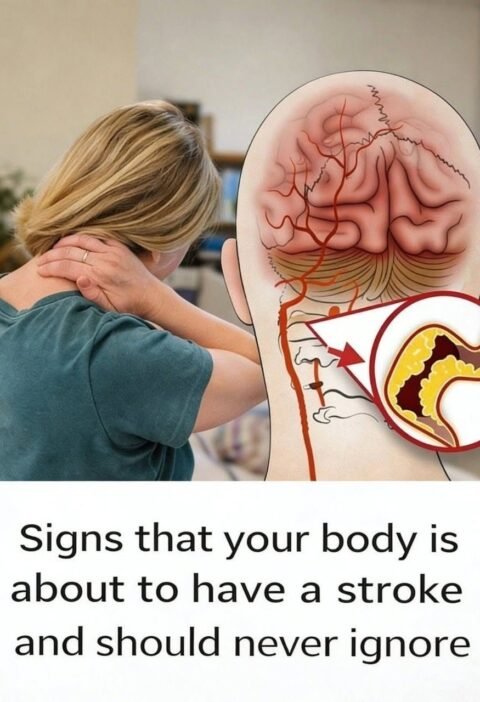
Numbness or weakness on one side of the face or body.
-
Difficulty speaking or confusion.
Critical Emergency Signs
If a suspected aneurysm ruptures, it becomes an immediate medical emergency. Call emergency services right away if you or someone else experiences:
-
Sudden loss of consciousness or fainting.
-
Rapid onset of severe dizziness, confusion, or shock.
-
Sudden, excruciating chest, back, or abdominal pain accompanied by low blood pressure and a rapid pulse.