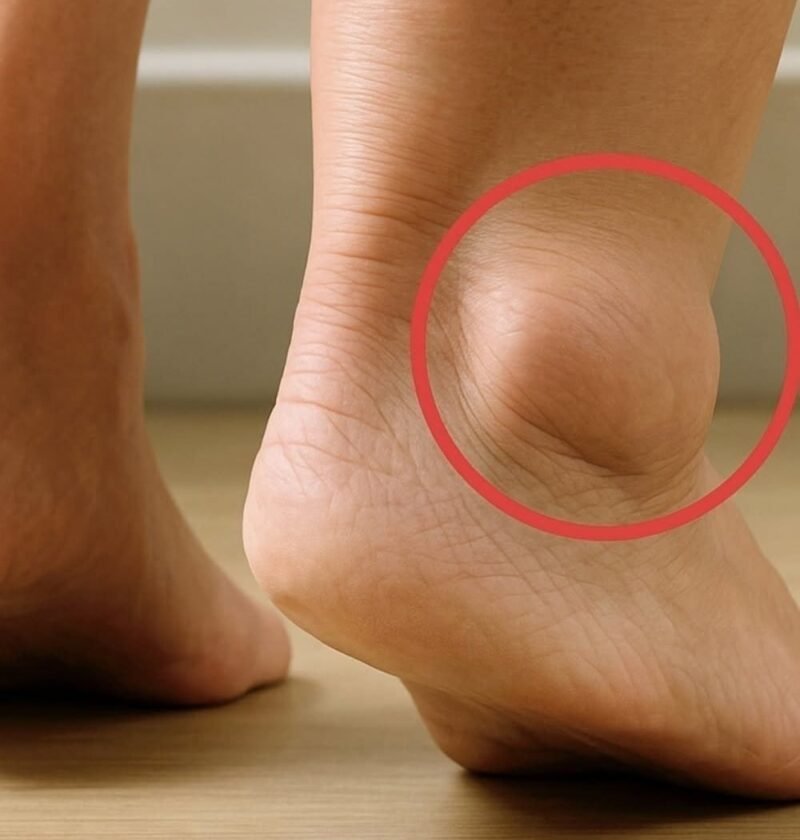
When your feet and ankles begin to swell, it is your body’s visible way of signaling that fluid is building up in your lower extremities, a medical condition known as peripheral edema.
While a bit of temporary swelling can happen to anyone after a long flight, a hot summer day, or standing on your feet for hours, persistent or sudden swelling is a clear sign that you should pay attention. Depending on how the swelling appears, it can point to a range of causes—from simple lifestyle factors to critical underlying health conditions.
The 5 Most Common Reasons Your Feet and Ankles Swell
1. Venous Insufficiency (Poor Circulation)
-
What it looks like: Swelling that worsens as the day goes on, often accompanied by a feeling of heaviness, aching, or visible varicose veins in the calves and ankles.
-
Why it happens: Inside your leg veins are tiny, one-way valves designed to push blood back up to your heart against gravity. As we age or due to wear and tear, these valves can weaken, causing blood to pool in the lower legs and fluid to leak into surrounding tissues.
2. Heart Failure or Cardiovascular Strain
-
What it looks like: Swelling that affects both feet and legs equally, sometimes extending up into the shins or thighs. When you press a finger into the skin, it leaves an indent that takes a moment to bounce back (known as “pitting edema”). It is often accompanied by shortness of breath or unusual fatigue.
-
Why it happens: If the heart’s pumping efficiency declines, it cannot circulate blood effectively. This backlog increases pressure in the blood vessels, forcing fluid out into body tissues, especially the lowest points like the feet.
3. Kidney or Liver Dysfunction
-
What it looks like: Generalized swelling that can appear in your feet, ankles, hands, and even around your eyes, often accompanied by changes in urination or fatigue.
-
Why it happens: Your kidneys filter waste and excess fluid from your blood. If kidney function is compromised, excess sodium and fluid build up in your system. Similarly, a struggling liver produces fewer blood proteins, allowing fluid to seep out of blood vessels into tissues.
4. Medication Side Effects
-
What it looks like: Swelling that starts or worsens shortly after beginning a new prescription medication.
-
Why it happens: Several common classes of medications—particularly calcium channel blockers used for high blood pressure, non-steroidal anti-inflammatory drugs (NSAIDs like ibuprofen), certain diabetes medications, and hormone therapies—cause blood vessels to widen or the body to retain salt and water, pooling in the feet.
5. Local Injury, Infection, or Blood Clots (DVT)
-
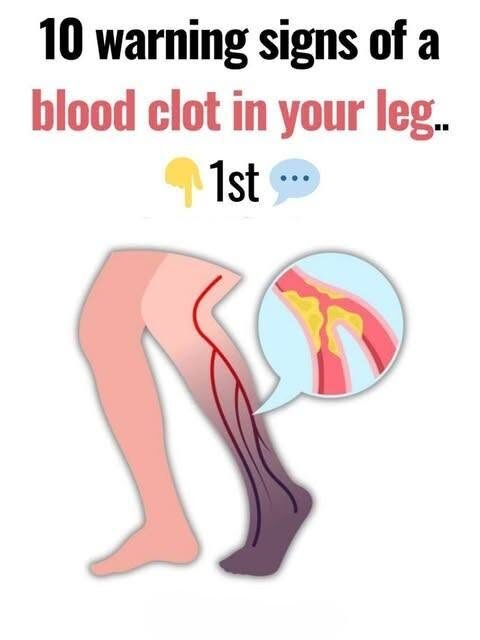
What it looks like: Crucial distinction: If the swelling happens suddenly and affects only one leg or foot, accompanied by pain, tenderness, warmth, or redness, it requires immediate medical attention.
-
Why it happens: Unilateral (one-sided) swelling can indicate a Deep Vein Thrombosis (DVT)—a dangerous blood clot trapped in a deep vein—or a localized injury/cellulitis infection.
🩺 When to Seek Immediate Medical Help:While mild, occasional swelling from sitting too long is common, you should contact a doctor promptly if swelling is sudden, painful, unexplained, or accompanied by shortness of breath, chest pain, or rapid weight gain. If it affects only one leg, rule out a blood clot right away.