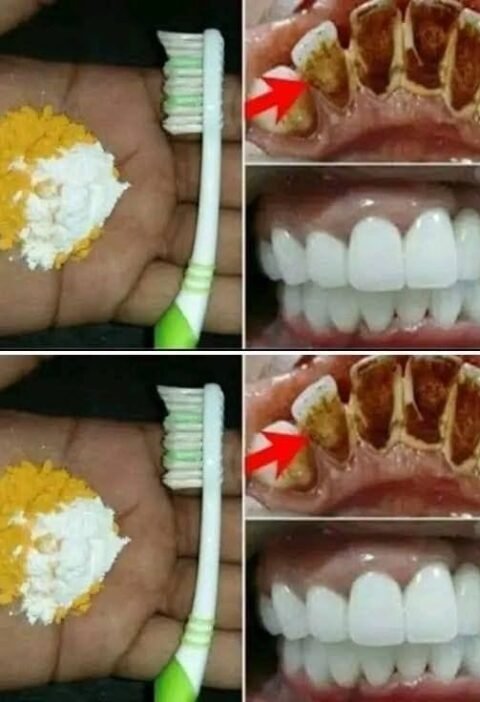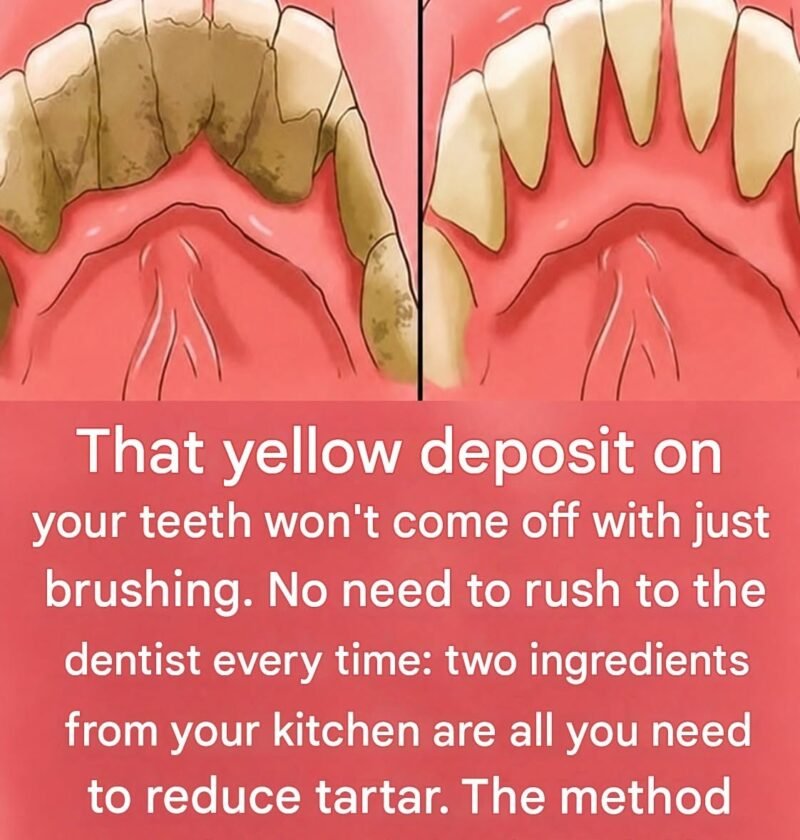
While keeping your teeth sparkling clean at home is vital for a great smile, it is important to lead with an essential dental truth: tartar cannot be safely or effectively removed at home.
Once dental plaque—the sticky film of bacteria that constantly forms on your teeth—is left unbrushed for 24 to 48 hours, minerals in your saliva chemically bond with it and harden into tartar (also known as dental calculus). Tartar is as hard as cement and bonds so tightly to the tooth enamel that scraping at it yourself with metal DIY tools, pins, or harsh abrasives will almost certainly scratch your enamel, tear your delicate gum tissue, and introduce harmful bacteria into your bloodstream.
However, you can take powerful control of your oral health by mastering plaque removal at home to prevent new tartar from forming, and leaving the hard stuff to the professionals.
The At-Home “Pre-Tartar” Defense Protocol
Stopping tartar starts with keeping soft plaque from hardening. Here is your daily, dentist-approved routine:
1. The Right Technique with an Electric Toothbrush
-
What to do: Brush for a full two minutes, twice a day, using a sonic or electric toothbrush with soft bristles. Angle the brush at a 45-degree angle toward your gumline so the bristles sweep beneath the margin where plaque loves to hide.
-
Why it works: Electric toothbrushes provide thousands of micro-movements per minute that disrupt sticky bacterial biofilm far more effectively than a standard manual brush.
2. Floss Daily Before You Brush
-
What to do: Clean between your teeth at least once a day before brushing. This clears away food particles and plaque from the tight spaces your toothbrush bristles can’t reach.
-
Why it works: Up to 40% of your tooth surfaces are between your teeth. If you don’t floss, the plaque trapped there hardens into tartar underneath the gumline, leading to gum inflammation (gingivitis).
3. Use an Antiseptic or Tartar-Control Mouthwash
-
What to do: Rinse daily with a therapeutic mouthwash containing antimicrobial agents or fluoride, or try an alcohol-free antiseptic wash.
-
Why it works: It kills lingering bacteria and helps neutralize the oral environment, slowing down the mineralization process that turns plaque into tartar.
4. Stay Hydrated and Chew Sugar-Free Gum
-
What to do: Drink plenty of water throughout the day, and chew xylitol-sweetened gum after meals if you cannot brush immediately.
-
Why it works: Saliva is your mouth’s natural defense system—it washes away food debris and contains minerals that protect enamel. Dry mouth dramatically accelerates tartar formation.
⚠️ A Word of Caution on “DIY Tartar Scrapers”
You may see metal dental picks and scalpers sold online promising a “professional cleaning at home.” Dentists and periodontists strongly advise against using these. Without a dental mirror angle, training, and a sterile setup, scraping your own teeth often results in:
-
Gouged Enamel: Creating microscopic scratches that give future bacteria even more places to cling.
-
Receding Gums: Accidentally slipping and slicing the gum tissue, causing permanent gum recession.
-
Root Damage: Damaging the sensitive root surfaces exposed beneath the gumline.
🦷 The Professional Standard:The only safe way to remove existing tartar is a professional scaling procedure performed by a registered dental hygienist or dentist using specialized ultrasonic scalers and manual instruments. Visiting your dentist every 6 months ensures that any stubborn tartar is safely cleared away before it can trigger periodontal disease, bone loss, or tooth decay.