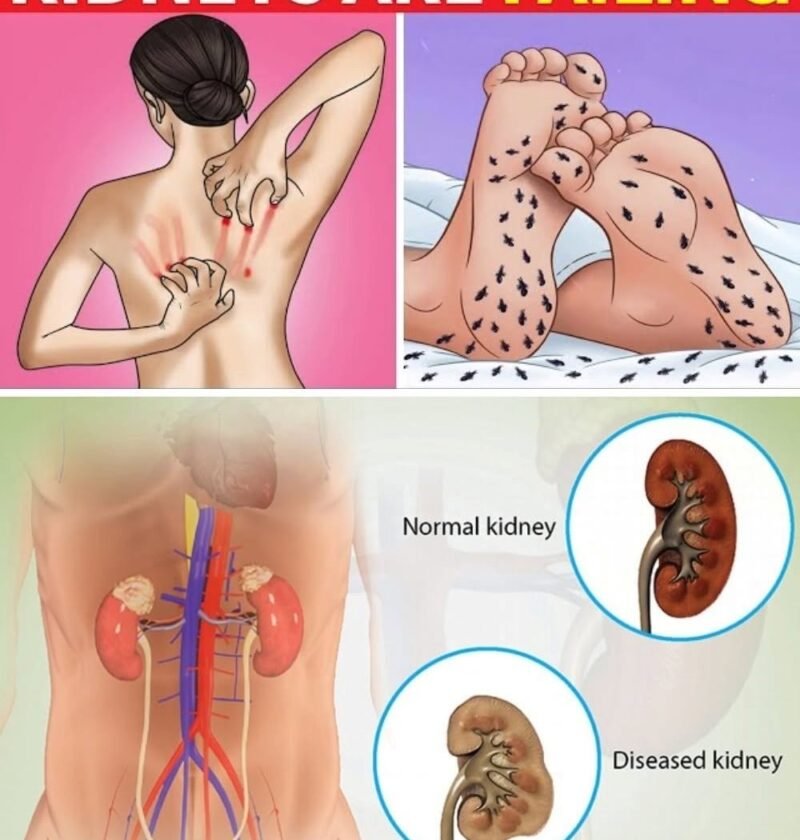
Chronic Kidney Disease (CKD) is often called a “silent disease” because the kidneys can lose a significant amount of function before producing obvious symptoms. However, as filtering capacity declines and waste products or fluids build up in the body, subtle and alarming signs begin to appear.
Here are 13 warning signs of chronic kidney disease that everyone should know:
1. Persistent Fatigue and Low Energy
Healthy kidneys produce a hormone called erythropoietin (EPO), which tells your body to make oxygen-carrying red blood cells. When kidneys are damaged, they produce less EPO, leading to anemia. This causes profound, unrelenting fatigue, weakness, and brain fog.
2. Swelling in the Feet, Ankles, or Legs (Edema)
When kidneys fail to properly remove extra sodium and fluid, sodium retention causes fluid to accumulate in the lower extremities, leading to noticeable swelling in the feet, ankles, and legs.
3. Puffy Eyes, Especially in the Morning (Periorbital Edema)
Kidney damage can cause a significant amount of protein to leak into the urine rather than staying in the bloodstream. This protein loss often leads to persistent puffiness and swelling around the eyes, particularly upon waking.
4. Foamy, Bubbly, or Frothy Urine
Excessive bubbles in the urine—resembling scrambled eggs or the foam on beer that doesn’t go away after multiple flushes—is a strong indicator that large amounts of protein (albumin) are spilling out of damaged kidney filters.
5. Blood in the Urine (Hematuria)
Healthy kidney filters normally keep blood cells inside the body when filtering waste. When the filters are damaged, red blood cells can start leaking into the urine, making it look pink, brown, or cola-colored.
6. Dry, Itchy, and Irritated Skin
When kidneys can no longer maintain the right balance of minerals and nutrients in your blood, mineral and bone disease sets in. A buildup of phosphorus in the blood frequently leads to severe, deep-seated itching that won’t go away with lotions.
7. Frequent Nighttime Urination (Nocturia)
Needing to get up multiple times throughout the night to urinate can be an early warning sign. It happens because the kidney’s concentrating ability has been compromised, altering how urine is produced.
8. Unexplained Metallic Taste in the Mouth or Ammonia Breath
A buildup of waste products in the blood (uremia) can alter your sense of taste, make food taste metallic, cause bad breath (ammonia-like odor), or completely ruin your appetite, sometimes leading to unintended weight loss.
9. Persistent Nausea and Vomiting
As uremia worsens due to severe toxin buildup in the body, it can trigger frequent queeziness, loss of appetite, stomach upset, and vomiting.
10. Shortness of Breath
Shortness of breath can tie into kidney disease in two ways: fluid can back up into the lungs due to poor fluid clearance, or anemia can starve the body of oxygen, making you feel winded with minimal exertion.
11. Muscle Cramps, Especially in the Legs
Severe electrolyte imbalances—particularly low calcium levels and poorly controlled phosphorus or potassium—frequently trigger painful muscle spasms and cramps, especially in the calves at night.
12. High Blood Pressure (Hypertension)
The kidneys play a direct role in regulating blood pressure. When they are damaged, they can trigger hormonal loops that raise blood pressure, creating a vicious cycle where high blood pressure further damages kidney vessels.
13. Trouble Sleeping (Insomnia)
Between the physical discomfort of persistent itching, restless legs, nighttime bathroom trips, and overall systemic illness, chronic kidney disease frequently wrecks normal sleep patterns.
🔍 Who Is Most at Risk?
The two leading causes of chronic kidney disease are diabetes and high blood pressure. If you have either condition, routine annual blood tests (checking creatinine and eGFR) and urine tests (checking for protein/albumin) are vital for catching kidney changes early.