Headlines promising that a simple household trick will make scratched glasses “disappear instantly” are almost always too good to be true. While certain DIY methods are popular online, they rarely fix the problem—and in many cases, they can permanently ruin your lenses.
The Reality Behind “Miracle” Scratch Removers
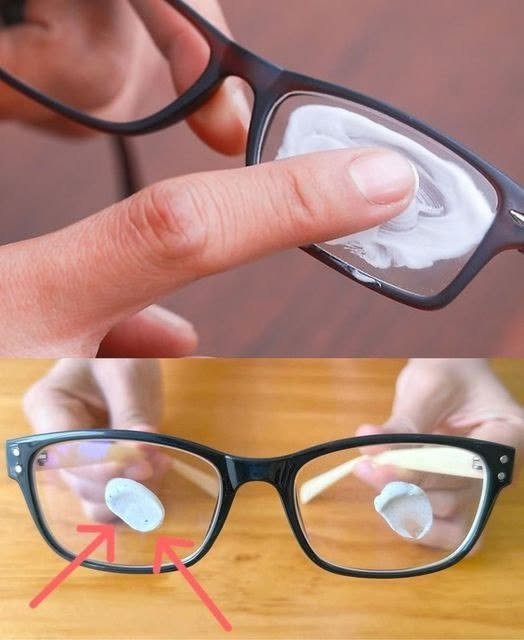
You’ve likely seen viral videos suggesting household items like toothpaste, baking soda, baking vinegar, or car wax to buff out lens scratches. Here is why those methods usually backfire:
-
Abrasive Damage: Most household toothpastes and baking soda pastes are mildly abrasive. Instead of filling in a scratch, they act like ultra-fine sandpaper. They scrub away the specialized coatings on your lenses (such as anti-reflective, UV-blocking, or scratch-resistant layers), often leaving the lens looking blurry, cloudy, or even more scratched.
-
Waxes and Fillers Leave a Residue: Products like car wax or furniture polish might temporarily fill a shallow groove, making it look less visible for a day or two. However, they create a greasy film that smears easily, attracts dust, and distorts your vision, especially under bright lights or while driving at night.
-
Plastic vs. Glass: Modern prescription lenses are almost always made of lightweight optical plastics or polycarbonate. Traditional glass-polishing compounds meant for windshields or phone screens will warp or ruin plastic eyeglass lenses.
What Actually Works for Scratched Lenses?
Once a lens coating or the lens material itself is deeply gouged, it cannot be reversed at home. However, depending on the severity of the damage, you have a few practical options:
-
Professional Assessment: Take your glasses back to the optical shop where you bought them. Many lenses come with a manufacturer or scratch warranty that covers a free or low-cost lens replacement within the first year or two.
-
Lens Replacement: If the scratches are directly in your line of sight and causing eye strain, headaches, or blurred vision, replacing the lenses (while keeping your favorite frames) is usually much more affordable than buying a brand-new pair of glasses.
-
Proper Cleaning Habits: While you can’t erase deep scratches, you can prevent new ones. Always clean your lenses with a microfiber cloth and lens cleaner (or mild dish soap and lukewarm water). Never use paper towels, tissues, shirt hems, or window glass cleaner, which contain tiny wood fibers or harsh chemicals that cause micro-scratches over time.
A Quick Note on Eye Strain:Wearing heavily scratched glasses forces your eyes to work harder to focus through the distortion, which frequently leads to eye fatigue, headaches, and dizziness. If your lenses are badly scuffed, it is safest to replace them rather than trying to force a DIY fix.
Are you dealing with annoying surface scuffs on your everyday prescription glasses, or are these sunglasses or reading glasses?