The phrase “striking in silence” is a chillingly accurate description of how many heart attacks unfold. Not every cardiac event arrives with the dramatic, cinematic chest-clutching people expect. In fact, what medical professionals call a “silent heart attack” (medically known as a myocardial infarction with little to no symptoms) accounts for a staggering percentage of all heart attacks—often going completely unnoticed until discovered later on an electrocardiogram (ECG).
Being ready means knowing what silent or subtle warning signs look like, understanding who is most at risk, and knowing exactly what action to take.
What Does a “Silent” or Subtle Heart Attack Look Like?
Because the body doesn’t always trigger sharp, crushing chest pain, a heart attack can masquerade as everyday fatigue, indigestion, or muscle strain. Watch out for these disguised red flags:
-
Vague Upper Body Discomfort: Instead of sharp chest pain, you might feel a dull pressure, fullness, or an aching sensation in the center of your chest, upper back, neck, jaw, or down one or both arms.
-
Unexplained “Flu-Like” Fatigue or Weakness: Feeling suddenly exhausted to your core—unable to carry groceries, walk up a short flight of stairs, or even stand—without any physical exertion.
-
Sudden Shortness of Breath: Catching your breath or feeling winded while resting or doing light tasks you normally handle with ease.
-
Cold Sweats and Lightheadedness: Breaking out into a cold, clammy sweat or feeling dizzy, woozy, or as though you might faint for no clear reason.
-
Subtle Digestive Uprising: Nausea, indigestion, or a feeling of severe heartburn that doesn’t go away with antacids. (This is particularly common in women).
Why Do Some Heart Attacks Go Unnoticed?
Certain groups are much more likely to experience silent or atypical symptoms:
-
Women: Women frequently present with non-traditional symptoms like jaw pain, severe fatigue, nausea, or back pain rather than classic chest pressure.
-
Individuals with Diabetes: Diabetic neuropathy can blunt nerve sensitivity, meaning the heart doesn’t signal pain to the brain the same way it would in someone without nerve damage.
-
Older Adults: Aging alters how our bodies perceive and process pain and discomfort.
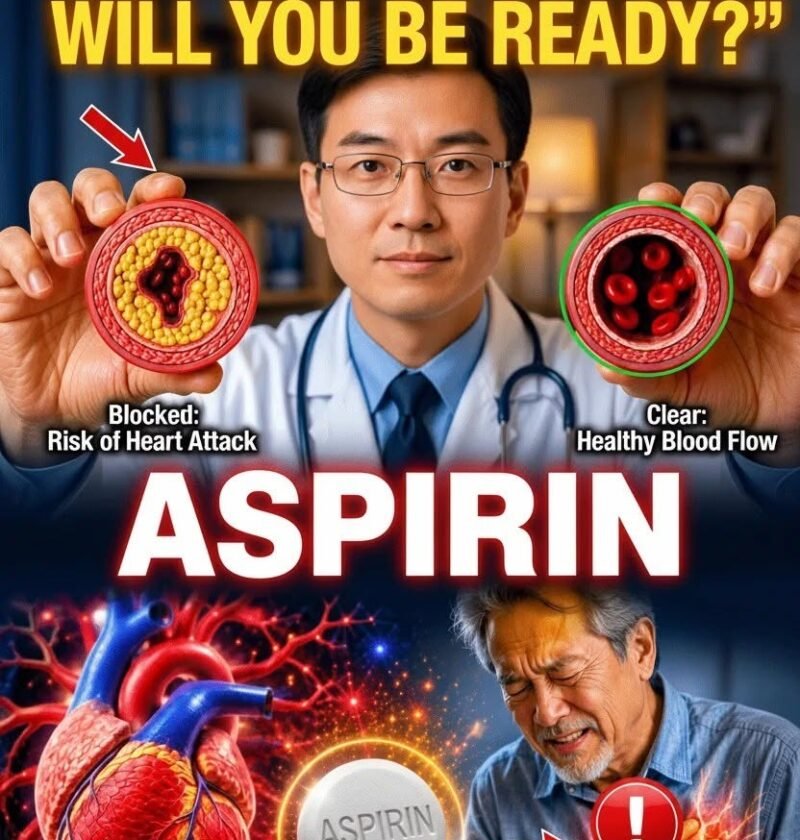
Action Plan: Will You Be Ready?
If you suspect that you or someone near you is experiencing a heart attack—even if the symptoms feel “too mild” or confusing—take immediate action:
-
Trust Your Gut and Don’t Wait: Never adopt a “wait and see” mindset. Minutes matter because heart muscle begins to die when blood flow is cut off.
-
Call Emergency Services Immediately: Dial your local emergency number (such as 911) right away. Do not attempt to drive yourself or someone else to the hospital, as cardiac arrest can occur suddenly behind the wheel.
-
Chew Aspirin (If Recommended): If you are not allergic and have no history of bleeding disorders, emergency dispatchers often advise chewing an uncoated aspirin while waiting for help, as it helps prevent blood platelets from clumping further.
🚨 The Golden RuleIt is always better to have medical professionals check out a false alarm than to ignore a silent heart attack. Your life is worth the evaluation.
Are you looking into heart health awareness for peace of mind, or is there a specific risk factor or symptom you’ve been concerned about recently?