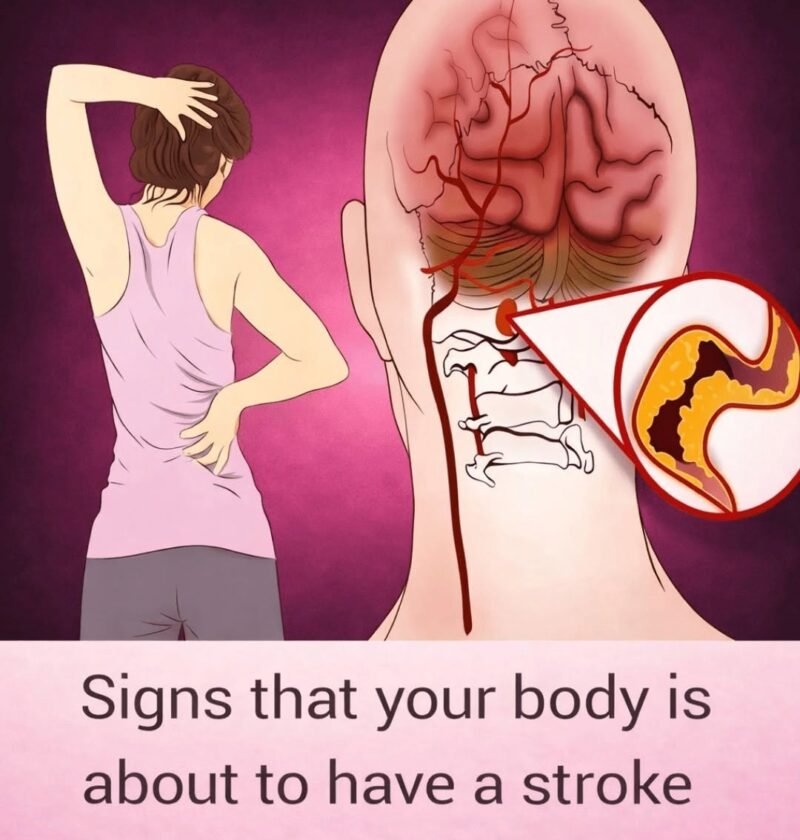
Recognizing the signs of a stroke and acting immediately can save a life and drastically reduce long-term disability. When a stroke occurs, every minute counts—millions of brain cells die the longer blood flow is deprived.
The most widely recognized and effective acronym for spotting a stroke is FAST, but there are several other critical early warning signs to watch out for.
The FAST Acronym (The Core Signs)
The American Stroke Association uses FAST to help people easily remember the most common symptoms of a stroke:
-
F – Face Drooping: Does one side of the face droop, or is it numb? Ask the person to smile to check for asymmetry.
-
A – Arm Weakness: Is one arm weak or numb? Ask the person to raise both arms. Does one drift downward?
-
S – Speech Difficulty: Is their speech slurred, are they unable to speak, or are they hard to understand? Ask them to repeat a simple sentence (e.g., “The sky is blue”).
-
T – Time to Call 911 (or Emergency Services): If a person shows any of these symptoms—even if the symptoms go away—call emergency services immediately and note the exact time the symptoms first appeared.
6 Additional Early Warning Signs
In addition to the FAST signs, a stroke can present in other sudden, unexpected ways. Be alert to these symptoms:
-
Sudden Numbness or Weakness: Usually affecting one side of the body (unilateral), which can involve the face, arm, or leg.
-
Sudden Confusion: Trouble understanding speech, sudden disorientation, or difficulty comprehending simple statements.
-
Sudden Trouble Seeing: Blurred vision, double vision, or a sudden loss of vision in one or both eyes.
-
Sudden Trouble Walking: Sudden dizziness, loss of balance, unsteadiness, or a sudden lack of coordination (ataxia).
-
Sudden Severe Headache: A very intense, blinding headache with no known cause, often described by survivors as the “worst headache of their life.”
-
Sudden Dizziness or Vertigo: Feeling as though the room is spinning, accompanied by nausea, vomiting, or sudden fatigue, particularly when combined with any of the signs above.
What to Do in an Emergency
-
Call 911 (or your local emergency number) immediately. Do not wait to see if the symptoms subside.
-
Note the Time: Keep track of when the symptoms first began. This is vital information for medical personnel, as certain clot-busting treatments (like tPA) must be administered within a strict time window after symptom onset.
-
Do Not Drive: Do not attempt to drive the person to the hospital yourself. Wait for emergency medical technicians (EMTs), who can begin life-saving care en route.
-
Do Not Give Medication or Food: Refrain from giving the person aspirin, food, or water, as a stroke can impair swallowing and lead to choking.
Important Note: A Transient Ischemic Attack (TIA)—often called a “mini-stroke”—causes temporary stroke symptoms that typically resolve within a few minutes to an hour. Never ignore a TIA. It is a critical warning sign and a major red flag that a full-blown stroke may soon occur. Seek emergency medical evaluation right away.
Would you like more information on stroke risk factors, or are you looking for guidance on post-stroke recovery and prevention?