…a terrifying, instant-panic cliffhanger designed to make you assume the absolute worst!
When a headline cuts off right before a scary medical word like cancer or cardiac arrest, it’s using a classic clickbait playbook: taking a very common, non-specific physical symptom and turning it into an apocalyptic diagnosis.
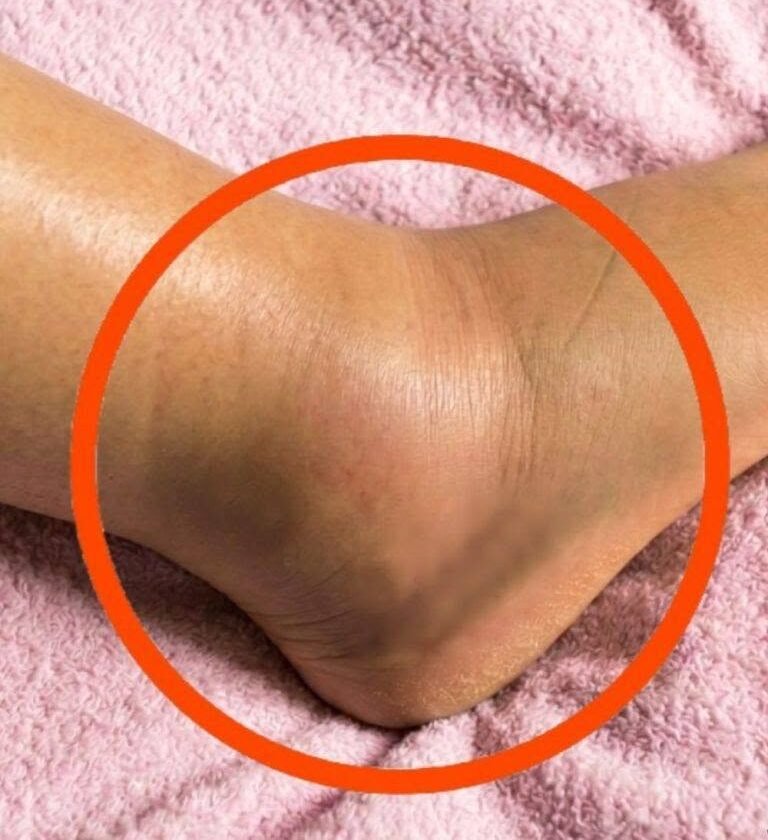
While swelling in the legs (medically known as edema) is definitely a sign that something is going on in your body, the vast majority of the time, it points to everyday factors or manageable medical conditions—not a hidden crisis.
What Leg Swelling Is Usually Telling You
Edema happens when fluid gets trapped in the tissues of your lower legs, ankles, and feet, usually due to gravity, circulation issues, or temporary fluid retention. Doctors look at several common, everyday culprits long before considering anything rare or severe:
-
Prolonged Sitting or Standing: If you’ve been on a long flight, sat at a desk all day, or stood working for hours, gravity pulls fluid down into your lower extremities. A simple walk usually fixes it.
-
Salt Intake and Hormones: Eating a particularly salty meal causes your body to hold onto extra water. Hormonal fluctuations (like during menstrual cycles or pregnancy) also commonly cause temporary fluid retention.
-
Venous Insufficiency: As we age, the tiny one-way valves inside our leg veins can weaken. Instead of pumping all the blood smoothly back up to the heart, some pools in the lower legs, causing mild swelling by the end of the day.
-
Medication Side Effects: A wide variety of common medications—including certain blood pressure drugs (calcium channel blockers), NSAIDs (like ibuprofen), and steroid medications—list mild leg swelling as a known side effect.
When Should You Pay Attention to Leg Swelling?
While everyday swelling from sitting or a salty meal is harmless, doctors do pay attention to patterns:
-
Unilateral vs. Bilateral: If only one leg swells up suddenly, becomes painful, red, or warm to the touch, it needs to be evaluated promptly to rule out a Deep Vein Thrombosis (a blood clot).
-
Systemic Issues: If both legs swell significantly and persistently, and it’s accompanied by shortness of breath or fatigue, it can be a sign that your heart or kidneys aren’t clearing fluid efficiently.
The Reality Check
Finding your socks leaving deep indentations at the end of the day is annoying, but it doesn’t mean you’re facing a catastrophic diagnosis. Usually, elevating your legs, cutting back on excess sodium, and staying active will clear it right up.
Have you been dealing with tired, swollen legs after a long day, or did this dramatic headline just pop up in your feed?