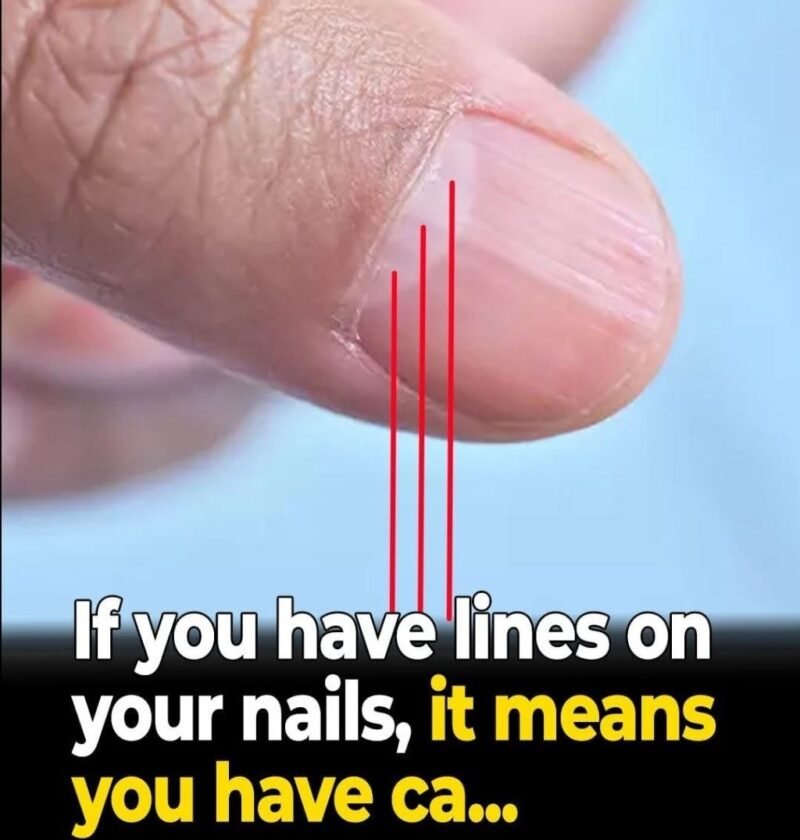
…a dramatic headline designed to turn an everyday nail quirk into an existential cliffhanger!
While clickbait loves to claim that a quick glance at your fingernails can “predict your life expectancy,” the truth is much more grounded in dermatology and internal medicine. Your fingernails can occasionally offer clues about your overall health, but they are diagnostic hints for specific, treatable conditions—not a crystal ball for how long you will live.
What Doctors Actually Look For in Fingernails
Physicians check nails because nail growth reflects your systemic health over several months. While harmless changes happen all the time, certain distinct patterns can point to underlying medical concerns:
-
Clubbing (Curved, Enlarged Fingertips): When the tips of the fingers widen and the nails curve downward like the back of a spoon, doctors take note. Known as nail clubbing, this can sometimes be a sign of chronic low blood oxygen levels linked to long-term pulmonary or cardiovascular conditions.
-
Terry’s Nails (White Nails with a Dark Band): If most of the nail turns stark white except for a narrow pink or reddish band at the top, it can occasionally be associated with systemic issues like liver disease, congestive heart failure, or diabetes.
-
Beau’s Lines (Deep Horizontal Ridges): These are distinct grooves that run across the nail. They happen when nail growth is temporarily interrupted—usually by a severe illness, high fever, or significant physical stress months prior.
-
Splinter Hemorrhages (Tiny Vertical Red Lines): These look like small splinters under the nail and can be caused by minor trauma, but doctors also check them to rule out inflammation of the heart valves (endocarditis) if they appear alongside other symptoms like a fever.
Common Harmless Changes vs. Real Warning Signs
Most of the time, unusual nail features are entirely benign. Vertical ridges that develop with age, white spots from minor bumps to the nail matrix, or dry cuticles are just a normal part of life.
The golden rule of medical nail checks is context: a single nail quirk without any other symptoms is rarely a major crisis. However, if you notice sudden, dramatic changes—like persistent color shifts, severe clubbing, or unexplained pain around the nail beds—it’s always smart to mention it to a primary care doctor or dermatologist.
Have you noticed a change in your nails recently, or did this headline just pop up on your screen?