What Is a “Normal” Blood Pressure at Each Age?
A common mistake is believing that older adults are supposed to have high blood pressure. They aren’t. For adults, current American Heart Association/American College of Cardiology guidance uses the same basic blood-pressure categories across adulthood rather than assigning a different “normal” number to each age. (www.heart.org)
🩺 Adult blood-pressure guide
| Reading | Category |
|---|---|
| Below 120/80 | ✅ Normal |
| 120–129 and below 80 | Elevated |
| 130–139 or 80–89 | High BP — Stage 1 |
| 140+ or 90+ | High BP — Stage 2 |
| Above 180 and/or 120 | 🚨 Severe hypertension |
So, for example, an 80-year-old does not automatically have a “normal” blood pressure of 150/90 simply because of age. Treatment goals are individualized, but the 2025 guideline generally recommends a treatment goal below 130/80 mm Hg for adults with hypertension, when appropriate. (international.heart.org)
👶 What about children?
Children are different: their healthy blood-pressure ranges depend on age, sex, and height, so adult numbers shouldn’t be applied to them.
⚠️ One reading isn’t enough
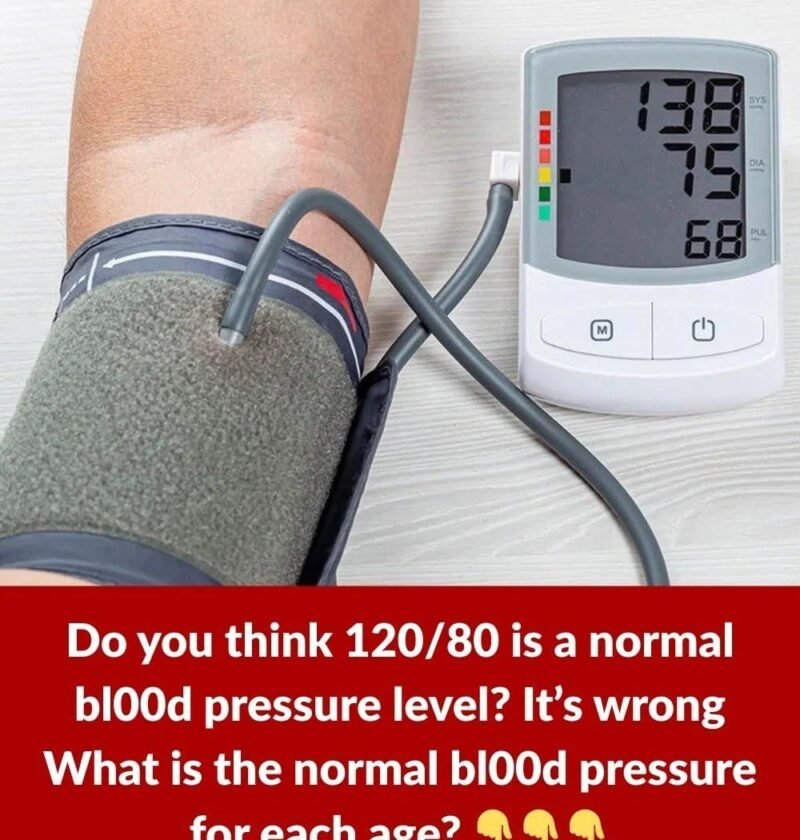
Blood pressure naturally fluctuates. For a more reliable home reading, sit quietly with your back supported, feet flat on the floor, and arm supported at heart level before measuring. (www.heart.org)
If your reading is over 180/120, repeat it after a brief rest. If it remains that high, contact a healthcare professional; if it’s accompanied by chest pain, shortness of breath, weakness/numbness, vision changes, severe headache, or difficulty speaking, seek emergency care. (American Heart Association)
Bottom line: There isn’t a separate “normal BP” number for every decade of adulthood. Under 120/80 is considered normal for adults, while your personal treatment target may depend on your overall health and cardiovascular risk.