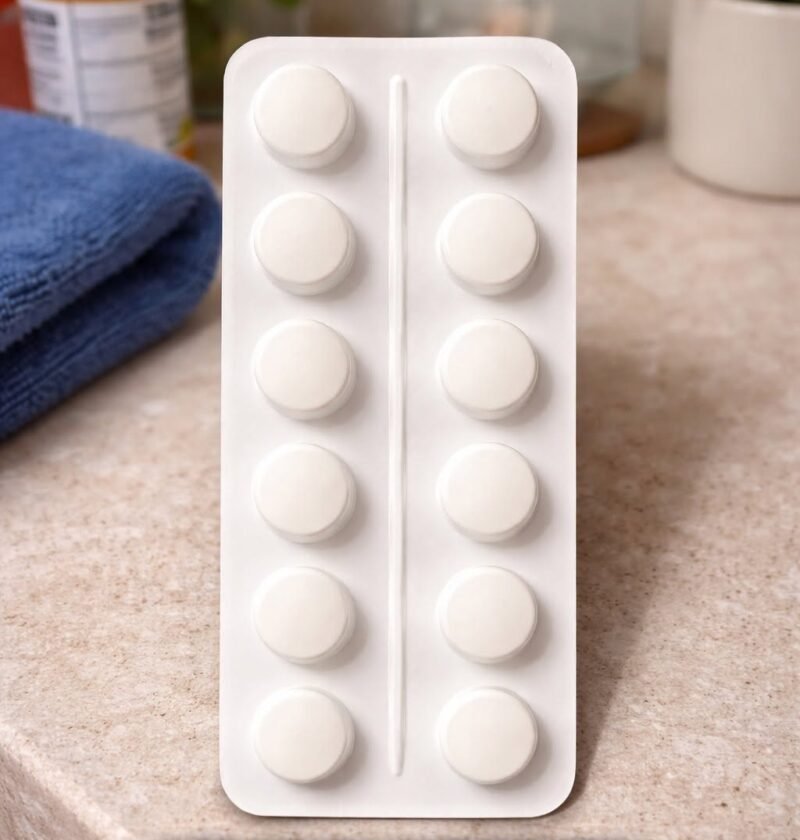
Amlodipine (commonly known by brand names like Norvasc) is a widely prescribed calcium channel blocker used to treat high blood pressure and chest pain (angina). It works by relaxing and widening your blood vessels, making it easier for blood to flow.
To get the most out of your medication and avoid dangerous side effects like severe dizziness, swelling, or poorly controlled blood pressure, medical experts advise breaking certain everyday habits.
Here are 8 habits you should stop if you are taking amlodipine—and why:
1. Eating Grapefruit or Drinking Grapefruit Juice
-
The Habit: Enjoying a morning glass of grapefruit juice or eating fresh grapefruit.
-
Why You Should Stop: Grapefruit contains compounds called furanocoumarins that block the specific liver enzymes responsible for breaking down amlodipine. When these enzymes are inhibited, your body absorbs too much of the drug into your bloodstream. This spike can dangerously intensify amlodipine’s effects, leading to a sudden drop in blood pressure, severe dizziness, flushing, or headaches. (Note: Pomelos and Seville oranges carry similar risks and should also be avoided).
2. Consuming Excess Sodium (Salt)
-
The Habit: Heavily salting your food, eating frequent processed meals, canned soups, or fast food.
-
Why You Should Stop: Amlodipine is prescribed to lower your blood pressure and reduce the workload on your heart. Consuming a high-sodium diet causes your body to retain water and fluid, which naturally forces your blood pressure back up. High salt intake counteracts the benefits of your medication and can also worsen amlodipine’s common side effect of peripheral edema (fluid buildup and swelling in the lower legs and ankles).
3. Binge Drinking or Heavy Alcohol Consumption
-
The Habit: Having multiple drinks in one sitting or drinking heavily on weekends.
-
Why You Should Stop: Alcohol is a vasodilator, meaning it naturally widens blood vessels and lowers blood pressure. When combined with amlodipine—which does the same thing—the compounding effect can cause your blood pressure to drop too sharply. This can result in orthostatic hypotension (dizziness, lightheadedness, or fainting when you stand up too quickly).
4. Taking Certain Over-the-Counter Cold and Sinus Medications Carelessly
-
The Habit: Reaching for standard multi-symptom cold, flu, or sinus decongestants at the first sign of a sniffle.
-
Why You Should Stop: Many over-the-counter decongestants contain active ingredients like pseudoephedrine or phenylephrine. These drugs work by constricting blood vessels to clear nasal congestion—which directly opposes amlodipine’s goal of keeping blood vessels relaxed. Using them can trigger sudden spikes in your blood pressure and an accelerated heart rate. Always check with a pharmacist for a blood-pressure-safe alternative.
5. Using Unchecked Herbal Supplements (Like St. John’s Wort or Excess Licorice)
-
The Habit: Taking herbal remedies or natural supplements without clearing them with your doctor first.
-
Why You Should Stop: Not all “natural” products are safe with prescription drugs. For instance, St. John’s Wort can speed up the liver enzymes that process amlodipine, essentially flushing the medication out of your system too quickly and rendering it ineffective. Conversely, large amounts of natural black licorice contain glycyrrhizin, a compound that can raise your blood pressure and counteract your treatment.
6. Skipping Doses or Irregularly Timing Your Medication
-
The Habit: Taking your pill at completely different times each day, or skipping doses when you feel “fine.“
-
Why You Should Stop: Amlodipine has a long half-life, meaning one dose is designed to provide steady 24-hour blood pressure control. Taking it sporadically causes your blood concentration levels to fluctuate, leading to erratic blood pressure spikes and valleys. High blood pressure usually has no symptoms, so feeling “fine” does not mean the medication isn’t working.
7. Remaining Sedentary All Day
-
The Habit: Sitting or standing motionless for hours without taking movement breaks.
-
Why You Should Stop: One of the most common complaints from people taking amlodipine is lower leg, ankle, or foot swelling due to how the drug affects capillary blood flow. Staying completely sedentary prevents your calf muscles from acting as a natural pump to push fluid and blood back up toward your heart. Incorporating short walking breaks or leg elevations helps mitigate this side effect.
8. Ignoring Rapid Changes in Posture (Standing Up Too Quickly)
-
The Habit: Jumping out of bed or springing up from a deep couch in a rush.
-
Why You Should Stop: Because amlodipine relaxes your blood vessels, sudden postural changes can temporarily starve your brain of optimal blood flow before your circulatory system adjusts. Cultivating the habit of standing up slowly—especially in the morning or after a warm bath—prevents sudden dizzy spells or falls.
Crucial Note on Your Health
Always consult your doctor or pharmacist before making major changes to your diet, cutting out medications, or introducing new supplements while on amlodipine.