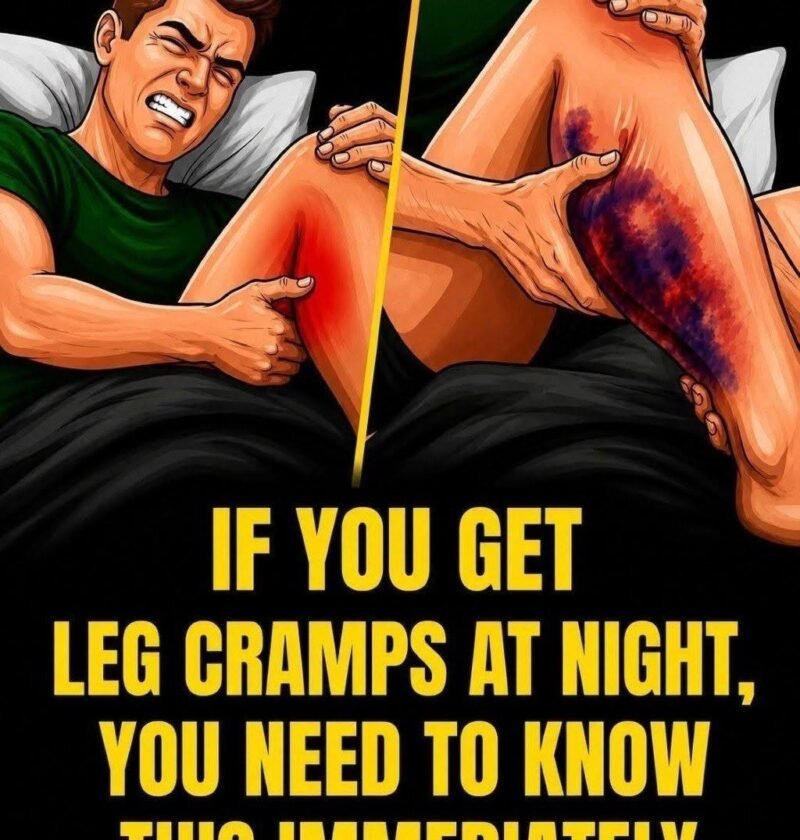
Waking up abruptly with a fierce, tightening knot in your calf or foot can turn a peaceful night into an agonizing experience. While an occasional nocturnal leg cramp is usually just an innocent reminder of a busy day or tired muscles, persistent cramping shouldn’t always be brushed off.
Here is a closer look at why nighttime leg cramps happen, what they might be signaling, and how to find relief.
Why Do Night Leg Cramps Happen?
Most night cramps are classified as “idiopathic,” meaning they strike suddenly without a clear, direct cause. However, they are frequently triggered by a few common culprits:
-
Electrolyte Imbalances and Dehydration Your muscles rely on a precise balance of minerals—like potassium, magnesium, calcium, and sodium—to contract and relax smoothly. If you’re dehydrated or lacking these key minerals, your nerves and muscle fibers become hyper-excitable, leading to sudden spasms.
-
Muscle Fatigue and Strain Strenuous workouts, heavy physical labor, prolonged standing, or even sitting in an awkward position for too long during the day can leave muscles exhausted and prone to seizing up once you relax into bed.
-
Medication Side Effects Certain commonly prescribed drugs—such as diuretics (water pills) or cholesterol-lowering statins—can alter fluid balance or mineral levels, making muscle cramps much more frequent.
When Should You Pay Closer Attention?
While a random cramp here and there is a normal part of life, you shouldn’t ignore them if they become a regular fixture of your nights. Frequent cramping can sometimes point to underlying issues like:
-
Circulatory Problems: Poor blood flow to the lower extremities (such as in peripheral artery disease) can starve resting muscles of oxygen.
-
Nerve Compression or Neuropathy: Conditions like diabetes or nerve irritation in the lower spine can misfire signals to your leg muscles.
If your cramps happen several times a week, cause intense, lingering pain, or are accompanied by swelling, redness, numbness, or skin color changes, it is definitely worth mentioning to your doctor.
Simple Ways to Find Relief and Prevent Them
-
Stretch Before Bed: Spend a few minutes gently stretching your calves and hamstrings before you turn out the lights.
-
Stay Hydrated: Drink plenty of water throughout the day and incorporate electrolyte-rich foods (like bananas, leafy greens, nuts, and seeds) into your diet.
-
Move When It Hits: If a cramp seizes your leg in the middle of the night, get out of bed and walk around gently, or stretch the muscle by flexing your foot and pulling your toes upward toward your shin. Applying a warm heating pad can also help relax the tight fibers.
Are you experiencing frequent nighttime cramps, or are you looking for specific stretches and remedies to help stop them?