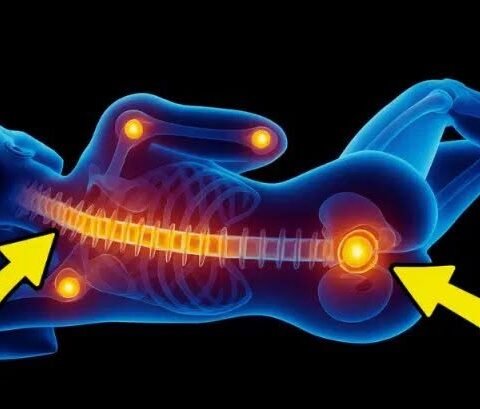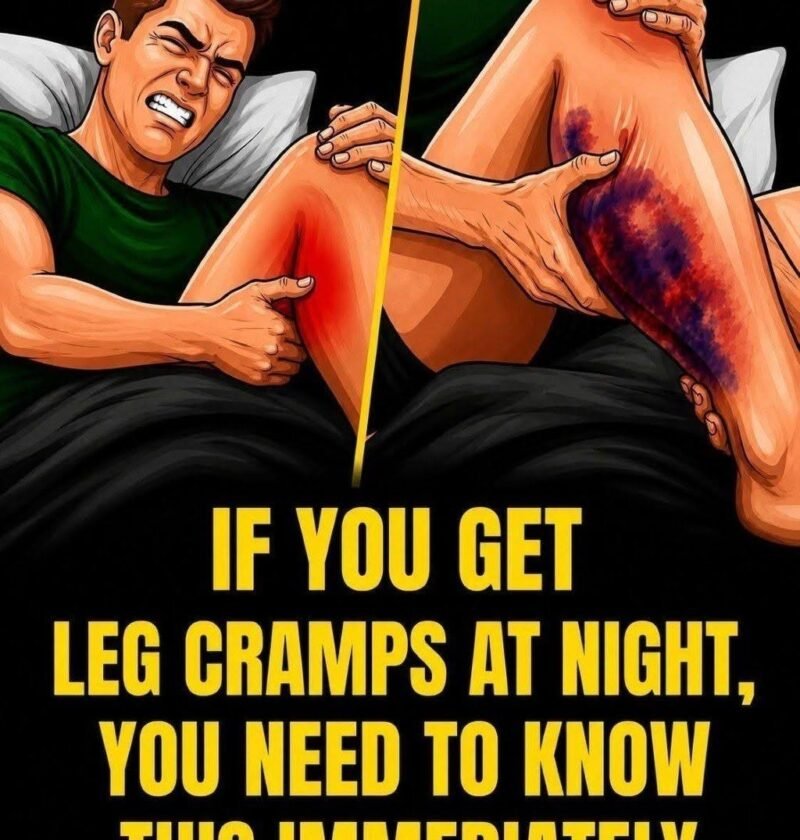
Nighttime leg cramps—often sudden, painful contractions of the calf muscles that strike while you’re resting or trying to sleep—can turn a peaceful night into an excruciating wake-up call. While they are a common and usually harmless nuisance, they shouldn’t always be brushed off.
Here is what you need to know about why they happen, what they might be signaling, and how to find relief.
Why Do Night Leg Cramps Happen?
Most nocturnal leg cramps are categorized as “idiopathic,” meaning they happen spontaneously without an obvious underlying cause. However, they are frequently triggered by:
-
Muscle Fatigue and Overuse: Strenuous exercise, standing for long hours, or prolonged muscle strain during the day can leave muscles prone to seizing up at night.
-
Dehydration and Electrolyte Imbalances: Low levels of key minerals like potassium, magnesium, calcium, or sodium can disrupt normal nerve and muscle function.
-
Prolonged Sitting or Poor Posture: Sitting for extended periods during the day can restrict blood flow and lead to involuntary muscle spasms when you finally lie down.
-
Pregnancy: Hormonal shifts and the extra weight load frequently trigger cramps in expectant mothers.
When Should You Not Ignore Them?
While a random cramp here and there is normal, recurring or severe nighttime cramps can sometimes be a red flag for underlying medical conditions, including:
-
Circulatory Issues: Peripheral Artery Disease (PAD) reduces blood flow to the limbs, which can cause cramping or pain during rest or activity.
-
Nerve Damage (Neuropathy): Conditions like diabetes can affect peripheral nerves, leading to unusual sensations and spasms in the legs.
-
Medication Side Effects: Diuretics (water pills) and certain cholesterol-lowering statins are notorious for triggering muscle cramps.
-
Thyroid or Kidney Disorders: Imbalances caused by systemic health conditions can affect overall electrolyte regulation in the body.
If your cramps are frequent, intensely painful, accompanied by swelling, redness, or skin changes, or if they persist despite self-care, it’s worth bringing them up with your doctor.
Simple Ways to Prevent and Relieve Them
-
Stretch Before Bed: Gentle stretching of the calves and hamstrings before sleeping can significantly reduce the frequency of nighttime spasms.
-
Hydrate Consistently: Drink plenty of water throughout the day, and ensure your diet includes electrolyte-rich foods like bananas, leafy greens, nuts, and seeds.
-
Move When a Cramp Hits: If a cramp strikes, get out of bed and walk around gently, or stretch the leg by pulling your toes upward toward your shin while keeping your leg straight. Applying a warm heating pad or taking a warm shower can also help relax the tight muscle.
Are you experiencing frequent nighttime cramps, or are you looking for tips on managing a specific underlying cause?