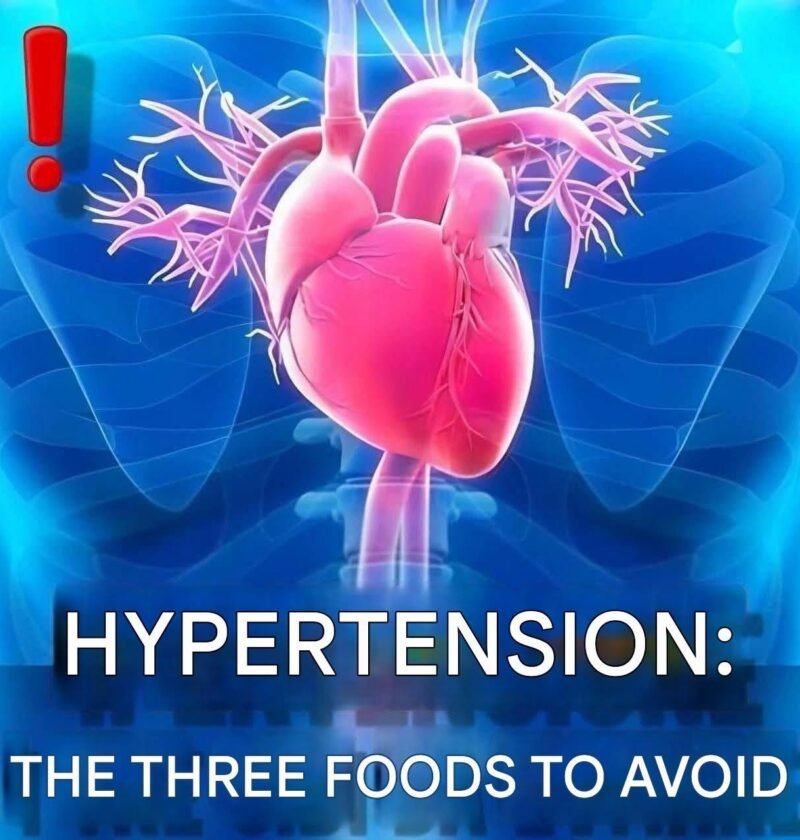
When health articles and medical segments highlight foods to avoid for high blood pressure “according to a doctor,” they are tackling one of the most vital areas of preventative cardiology. Hypertension (high blood pressure) is often called the “silent killer” because it damages blood vessels and strains the heart over years without obvious symptoms, making dietary management a cornerstone of treatment.
While viral posts sometimes demonize random healthy foods or promote extreme, unachievable elimination diets, clinical cardiology focuses on specific dietary components that directly impact vascular resistance and fluid volume.
To separate internet hyperbole from clinical cardiology, here are the foods physicians and cardiologists genuinely recommend limiting or avoiding to protect your blood pressure, along with the science behind them:
1. Heavily Processed and Canned Meats (The Sodium Bombs)
-
The Culprits: Deli meats, bacon, sausage, hot dogs, canned soups, and packaged frozen meals.
-
Why Doctors Say Avoid: Sodium is the primary dietary driver of fluid retention. When you consume excess sodium, your body holds onto extra water, increasing the volume of blood circulating through your arteries. This places sustained, high-pressure mechanical stress on your vessel walls. Much of our daily sodium doesn’t come from the salt shaker, but from hidden preservatives in processed foods.
2. Excess Added Sugars and Sugar-Sweetened Beverages
-
The Culprits: Regular sodas, sweetened teas, energy drinks, packaged pastries, and heavy candies.
-
Why Doctors Say Avoid: For decades, public health focused almost entirely on salt, but modern clinical research shows that added sugars play a massive role in hypertension. Diets high in refined sugar promote systemic inflammation, insulin resistance, and weight gain—all of which stiffen blood vessels and drive up blood pressure over time.
3. Ultra-Processed Snack Foods and Commercial Baked Goods
-
The Culprits: Potato chips, pretzels, crackers, store-bought cookies, and fried fast foods.
-
Why Doctors Say Avoid: These items are usually a double-whammy of high sodium and unhealthy fats (trans fats or excessive saturated fats). Trans fats and damaged vegetable oils contribute to arterial plaque buildup (atherosclerosis), making blood vessels rigid and less capable of expanding naturally when your heart pumps.
4. Excessive Alcohol Consumption
-
The Culprit: Heavy or binge drinking of beer, wine, or liquor.
-
Why Doctors Say Avoid: While occasional, moderate alcohol intake has historically been debated in heart health, chronic or excessive drinking directly activates the sympathetic nervous system, constricts blood vessels, and causes sustained spikes in blood pressure. Regularly exceeding recommended limits makes hypertension significantly harder to control with medication.
What Doctors Recommend Eating Instead
Instead of just focusing on restrictions, evidence-based dietary patterns like the DASH diet (Dietary Approaches to Stop Hypertension) or the Mediterranean diet emphasize foods that actively support healthy blood pressure:
-
Potassium-Rich Foods: Bananas, spinach, sweet potatoes, avocados, and white beans help your kidneys excrete excess sodium and ease tension in blood vessel walls.
-
High-Fiber Whole Grains and Leafy Greens: Oatmeal, brown rice, kale, and arugula contain natural nitrates that help dilate blood vessels and improve circulation.
Clinical Note: While modifying your diet is a powerful tool for managing blood pressure, hypertension is complex and influenced by genetics, stress, sleep apnea, and physical activity. Always work with your physician to monitor your readings and determine if lifestyle changes alone or in combination with medication are needed.
Are you looking into blood pressure management for yourself or a loved one, or were you hoping to fine-tune a heart-healthy meal plan?