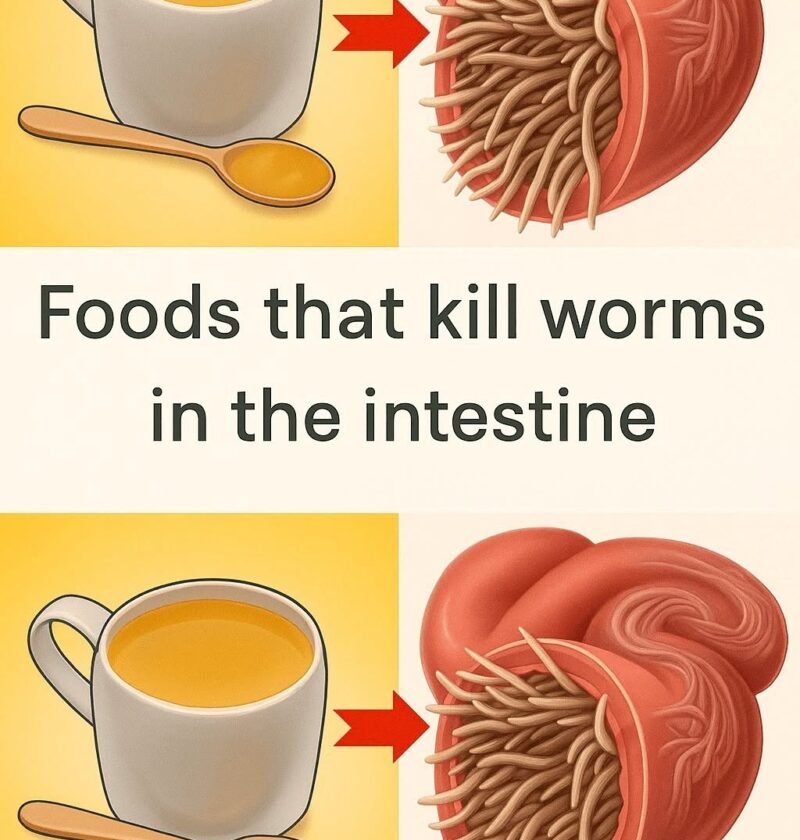
Listicles and wellness blogs often promote foods like pumpkin seeds, garlic, papaya seeds, and coconut as natural “de-wormers”. While many of these foods contain bioactive compounds that show antimicrobial or antiparasitic properties in laboratory or animal studies, they are not a replacement for medical treatment if you have a real intestinal parasitic infection.
The Reality Behind “Anti-Worm” Foods
-
Pumpkin Seeds: Contain an amino acid called cucurbitacin, which has been traditionally used to help paralyze and expel worms like tapeworms. While they are a healthy, fiber-rich snack, eating them will not clear a clinical parasite infection on its own.
-
Garlic and Onions: Contain sulfur compounds like allicin, which possess well-documented antibacterial, antifungal, and mild antiparasitic properties. They are great for overall immune and gut health, but they won’t eradicate an established infestation.
-
Papaya and Papaya Seeds: The seeds contain digestive enzymes (like papain and carpain) that have shown some limited promise in small studies for reducing parasite burdens. However, data is scarce, and large amounts of seeds can be harsh on the digestive tract.
-
Coconut: Contains medium-chain fatty acids (like lauric acid) which support general gut health, though human clinical evidence proving they kill intestinal worms is lacking.
Why Food Alone Isn’t Enough
Intestinal parasites (such as pinworms, roundworms, or tapeworms) are complex living organisms. Once they establish themselves in the gastrointestinal tract, they require targeted, pharmaceutical antiparasitic medications (such as albendazole or mebendazole) prescribed by a physician to safely and completely eliminate them. Relying solely on diet can allow the infection to persist or worsen.
What to Do If You Suspect Intestinal Worms
-
Look for Real Symptoms: Common signs of intestinal worms include unexplained anal itching (especially at night, common with pinworms), persistent abdominal pain, bloating, nausea, unexplained weight loss, or seeing visible worms in the stool.
-
Consult a Healthcare Provider: If you suspect you have a parasite, a doctor can perform a simple stool test to identify the exact type of organism and prescribe the correct, safe medication.
-
Practice Good Hygiene: To prevent spreading or reinfecting yourself, wash your hands thoroughly with soap and water after using the restroom, before handling food, and ensure meats are thoroughly cooked.
Are you or someone you know currently experiencing any specific symptoms, or were you just curious about these natural health claims?