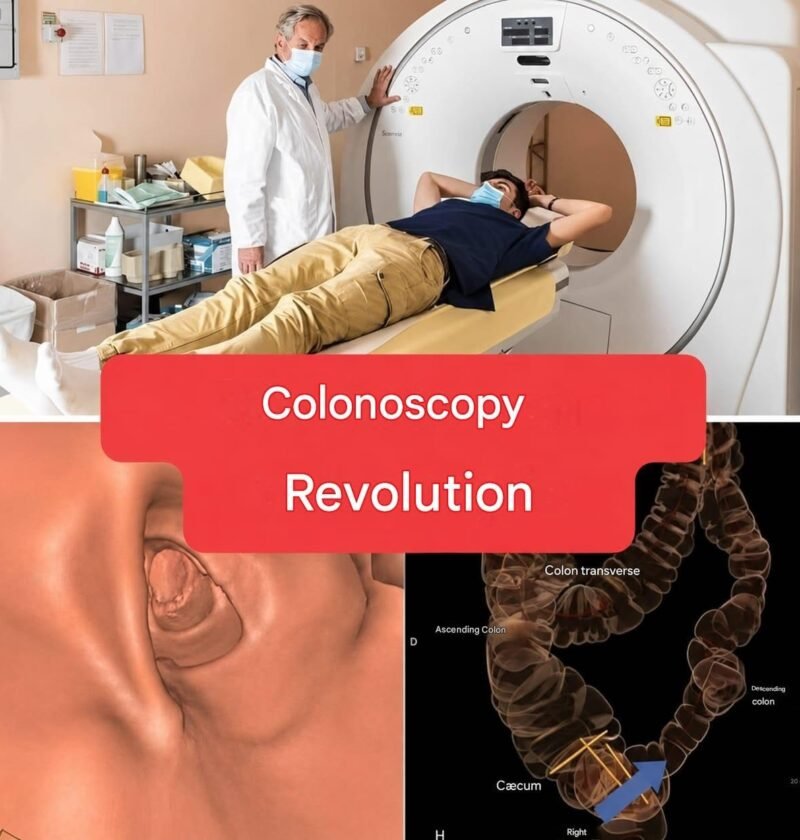
The medical field has made significant strides in developing less-invasive screening options for colorectal cancer, making it easier for patients who want to avoid traditional endoscopies.
While a traditional colonoscopy remains the gold standard because doctors can remove polyps or take biopsies during the same procedure, several non-invasive or minimally invasive alternatives are widely available or emerging:
1. **Advanced Blood Tests:** Newer cell-free DNA blood tests (such as the FDA-approved Shield test) screen for colorectal cancer signatures through a simple routine blood draw.
2. **Next-Generation Stool Tests:** At-home options like Cologuard (DNA-stool tests) or advanced AI-backed microbiome and fecal immunochemical tests (FIT) analyze stool samples to detect hidden blood or cellular changes with high accuracy.
3. **Virtual Colonoscopy (CT Colonography):** This uses low-dose computed tomography (CT) scans to generate detailed 3D images of the entire colon without inserting a scope, requiring no sedation.
*Note: If these non-invasive screenings detect any abnormalities or high-risk markers, a follow-up traditional colonoscopy is still typically required to investigate or remove tissue.*
Are you curious about how a specific non-invasive option works, or looking for guidance on standard screening guidelines?