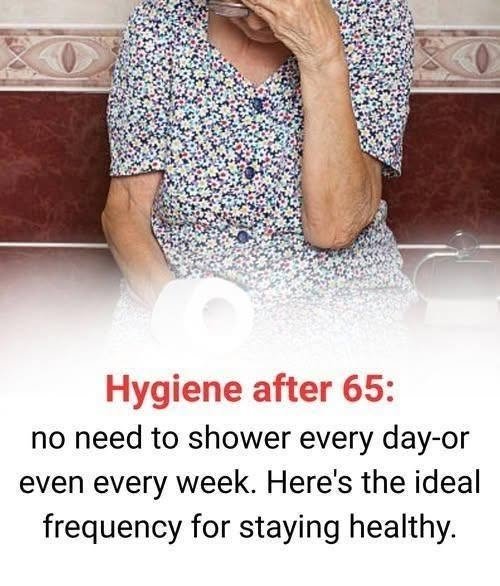
While a daily shower is a deeply ingrained hygiene habit for many, dermatologists and geriatric specialists increasingly point out that daily full-body showers can actually do more harm than good for adults over 65.
The concern isn’t about cleanliness—it is about how aging skin changes biologically and how frequent washing impacts its natural defenses.
Why Daily Showers Can Harm Aging Skin
-
Loss of Natural Oils (Lipids):As we age, our sebaceous (oil) glands slow down, and the skin naturally thins. Younger skin bounces back quickly from a daily wash, but mature skin produces fewer natural oils and loses collagen. Daily scrubbing—especially with hot water and harsh soaps—strips away the skin’s remaining lipid barrier.
-
Severe Dryness, Itching, and Cracking:Without that protective barrier, moisture evaporates rapidly from the skin. This leads to chronic dryness, persistent itching (pruritus), and microscopic cracks on the surface.
-
Increased Risk of Infection:Those tiny cracks in dry, fragile skin create an open doorway for bacteria and fungi. For older adults, minor skin breaks can occasionally escalate into more serious issues, such as cellulitis or other bacterial skin infections.
What Do Experts Recommend Instead?
Many dermatologists suggest that healthy adults over 65 do not need a full-body shower every day. Instead:
-
Frequency: Showering 2 to 3 times a week is often plenty for maintaining hygiene without compromising skin health, provided a person isn’t heavily sweating, working out, or managing a specific medical condition.
-
“Targeted” Washing on Off-Days: On days without a full shower, a quick sponge bath or targeted wash of key areas—like the armpits, groin, face, and feet—keeps odor and bacteria at bay without over-drying the rest of the body.
-
Adjusting the Routine: If you prefer or need a more frequent rinse (due to climate, sweat, or lifestyle), changing how you shower makes a huge difference:
-
Turn down the heat: Use lukewarm (tepid) water instead of hot water, which rapidly strips skin oils.
-
Keep it short: Limit showers to 5 to 10 minutes.
-
Swap the soap: Use mild, fragrance-free cleansers or synthetic syndet bars rather than heavily fragranced, harsh soaps.
-
Moisturize immediately: Apply a rich, fragrance-free cream or ointment right after patting dry, while the skin is still slightly damp, to lock in moisture.
-
Of course, hygiene needs vary based on individual health, activity levels, and medical needs (such as incontinence). Anyone managing chronic skin conditions like eczema or severe dryness should consult a dermatologist or healthcare provider for tailored guidance.