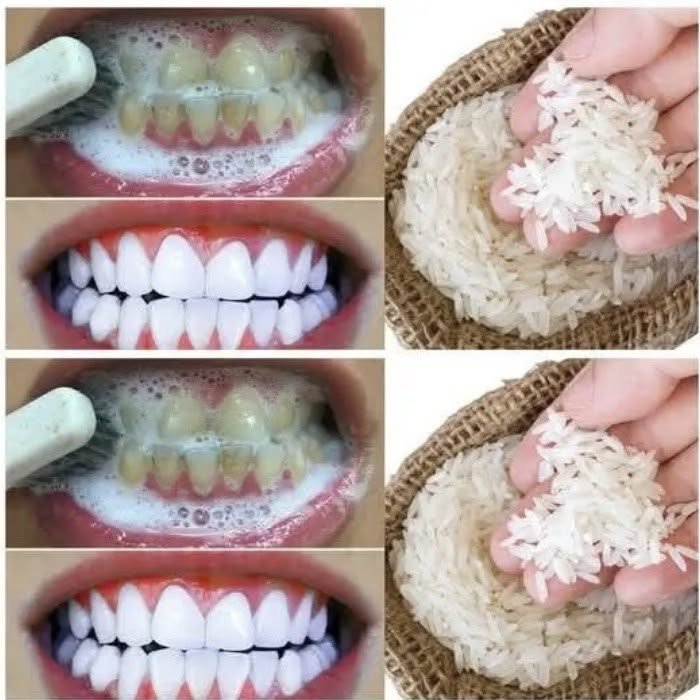
While viral internet hacks love to promise instant cosmetic transformations—like whitening your teeth in just 60 seconds using kitchen ingredients like baking soda, lemon juice, hydrogen peroxide, or activated charcoal—these quick-fix tricks often come with hidden risks to your enamel and gum health.
Here is a look at why those 1-minute tricks are problematic, followed by what you can safely do instead:
The Problem with 1-Minute DIY Teeth Whitening Hacks
-
Acidic Damage (Lemon Juice): Rubbing citrus juice on your teeth exposes your enamel to high acidity. This instantly softens the protective outer layer of your teeth, making them more vulnerable to staining, sensitivity, and decay.
-
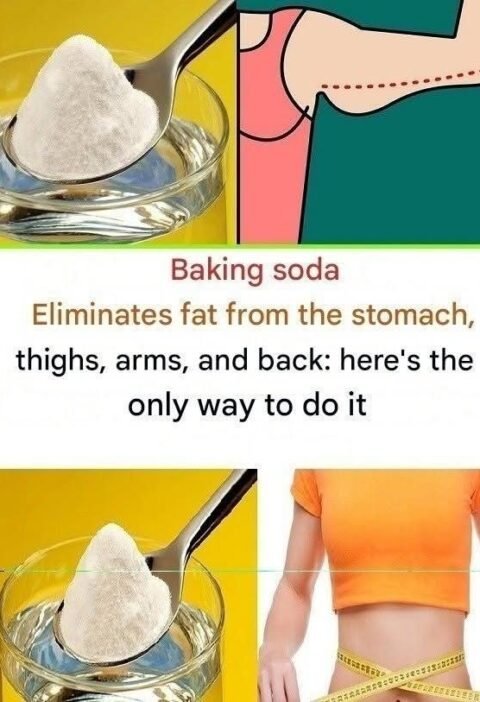
Abrasive Scrubbing (Baking Soda & Charcoal): While mildly abrasive powders can scrub away surface stains, aggressive or daily rubbing can literally wear away your tooth enamel over time. Once enamel is gone, it does not grow back, and the yellowish dentin underneath becomes more exposed.
-
Chemical Irritation (Hydrogen Peroxide): Undiluted or improperly used household peroxide can severely irritate, burn, or blanch your gum tissue.
Safe Ways to Whiten and Protect Your Smile
If you want a brighter smile without damaging your teeth, focus on safe, dentist-approved habits:
-
The 1-Minute Post-Meal Rinse: Instead of a whitening trick, make it a habit to swish plain water around your mouth for 30 seconds after consuming staining foods or drinks (like coffee, tea, berries, or red wine) to wash away pigments before they settle.
-
Use an Electric Toothbrush: Electric toothbrushes are significantly more effective at removing plaque and surface stains than manual brushing, without requiring harsh abrasives.
-
Opt for ADA-Accepted Whitening Toothpastes: If you want a commercial whitening product, look for toothpastes carrying the American Dental Association (ADA) Seal of Acceptance. These use controlled, safe levels of abrasives or mild polishing agents.
-
Consult Your Dentist: Professional in-office whitening or custom-fitted trays from a dentist use safe, controlled concentrations of whitening agents that protect your gums and preserve your enamel.
⚠️ A Quick Note on Enamel:If your teeth naturally look a bit yellow, it isn’t necessarily a sign of poor hygiene. The inner layer of the tooth (dentin) is naturally yellowish, and as enamel thins with age, that color naturally shows through more.
Are you looking for a quick fix for a special event, or dealing with tooth sensitivity and staining you’d like to address safely?