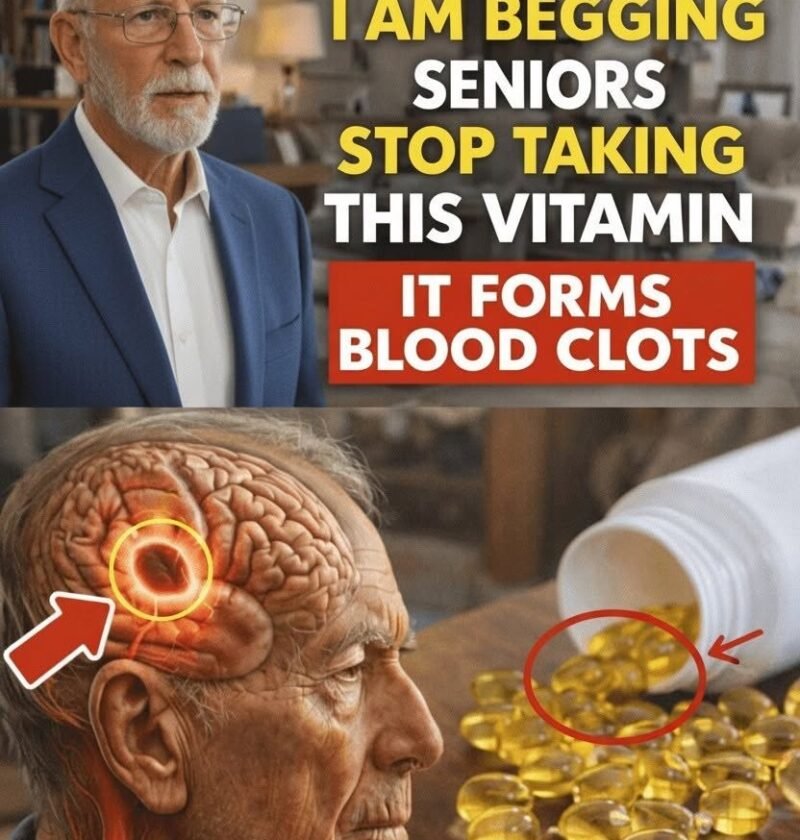
Navigating vitamin intake and understanding how it intersects with brain health and stroke risk is especially important for older adults. Nutritional habits can profoundly influence vascular health, cognitive longevity, and overall cerebrovascular risk.
1. Key Vitamins and Their Role in Brain Health & Stroke Risk
Certain vitamins play a direct role in protecting blood vessels, supporting nerve tissue, and keeping stroke risk factors (like high blood pressure and arterial damage) in check:
-
B Vitamins (B6, B9/Folate, and B12):
-
Why they matter: These B vitamins work together to break down an amino acid in the blood called homocysteine. Excessively high homocysteine levels can damage the inner lining of blood vessels, promote oxidative stress, and increase the likelihood of blood clots or ischemic stroke.
-
Considerations for older adults: Vitamin B12 deficiency is common in older adults due to age-related changes in stomach acid and absorption. Ensuring adequate intake supports both cognitive function and vascular health.
-
-
Vitamin D:
-
Why it matters: Often called the “sunshine vitamin,” Vitamin D receptors are widespread throughout the brain and cardiovascular system. Low levels of Vitamin D have been linked in various studies to an increased risk of hypertension, cognitive decline, and ischemic stroke. Maintaining healthy levels supports both neuromuscular health and blood vessel function.
-
-
Antioxidant Vitamins (C and E):
-
Why they matter: Vitamins C and E help neutralize free radicals and reduce oxidative stress, which can otherwise damage delicate brain cells and harden arteries. However, balance is crucial; high-dose supplementation requires caution, particularly for individuals on blood-thinning medications.
-
2. Food-First vs. Supplementation: A Word of Caution
While it might seem that “more vitamins are always better,” older adults should approach high-dose supplementation carefully:
-
The Risk of Over-Supplementation: Fat-soluble vitamins (like Vitamin E or D) can accumulate in the body if taken in excessive quantities. For example, very high doses of certain antioxidants or vitamins can occasionally interact adversely with cardiovascular medications, including antiplatelet drugs or anticoagulants commonly prescribed to prevent strokes.
-
Absorption Changes with Age: The body’s ability to absorb micronutrients changes with age. Focusing on a nutrient-dense diet rich in leafy greens, fish, eggs, whole grains, and colorful fruits is generally the safest and most effective baseline.
Next Steps for Personal Safety
Before starting any new high-dose vitamin regimen, it is vital to consult a primary care physician or a geriatric specialist. A routine blood panel can easily check for actual deficiencies (such as checking Vitamin D or B12 levels) so that supplementation can be precisely targeted rather than guessed.
Are you or an older loved one considering specific vitamin supplements, or are there any existing cardiovascular concerns like high blood pressure that you are managing?