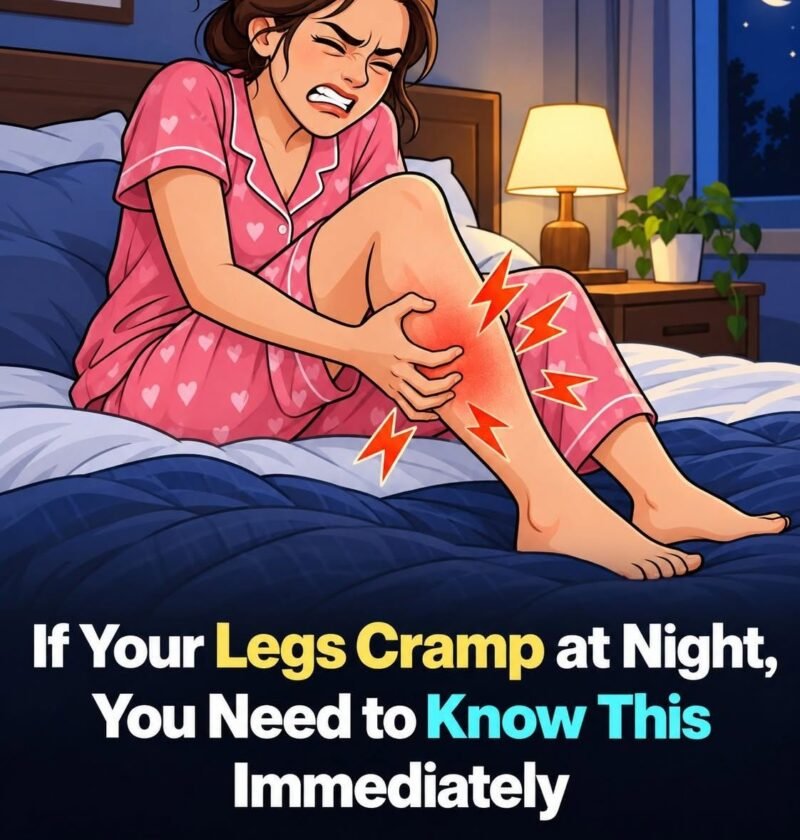
Persistent nighttime leg cramps can turn a restful night into a frustrating battle against pain. Beyond the immediate jolt of a waking spasm, losing sleep night after night can take a serious toll on your energy, mood, and overall well-being.
Here is a quick guide to understanding why this happens, how to find relief, and what you can do to protect your sleep.
Why Do Nighttime Cramps Disrupt Sleep So Severely?
Nocturnal leg cramps usually target the calf muscles, feet, or hamstrings. When a muscle violently contracts, it triggers pain receptors that instantly send distress signals to your brain, pulling you out of deep or REM sleep. The lingering soreness—often called a residual ache—can make it difficult to fall back asleep, leaving you tired and groggy the next day.
Key Steps for Fast Relief in the Middle of the Night
When a cramp wakes you up, taking quick action can cut the episode short:
-
The Flex Stretch: Sit up, straighten your affected leg, and pull your toes backward toward your shin.
-
Gentle Walking: Getting out of bed and walking around for a minute or two helps reset the muscle’s contraction cycle.
-
Warmth or Gentle Massage: Applying a heating pad or massaging the tight area encourages blood flow and relaxes the muscle fibers.
Proactive Habits for Better Nights
Preventing cramps before your head hits the pillow can dramatically reduce how often they happen:
-
Hydrate Consistently: Sip water throughout the day, ensuring your body has the fluids it needs for proper muscle function.
-
Bedtime Routine Stretches: Spend 5 minutes doing light calf and hamstring stretches an hour before bed.
-
Modify Your Sleep Setup: Avoid heavy blankets tucked tightly at the foot of the bed, which can force your toes downward and lock your calf muscles into a shortened position.
When to Consult a Professional
While most nighttime cramps are harmless and tied to everyday muscle fatigue or minor dehydration, you should speak with a doctor if:
-
The cramps happen almost every night and severely disrupt your sleep.
-
They are accompanied by muscle weakness, persistent swelling, redness, or numbness.
-
You suspect they might be linked to a new medication you’ve started taking.
Do you find that these cramps are waking you up night after night, or are they mostly an occasional nuisance?