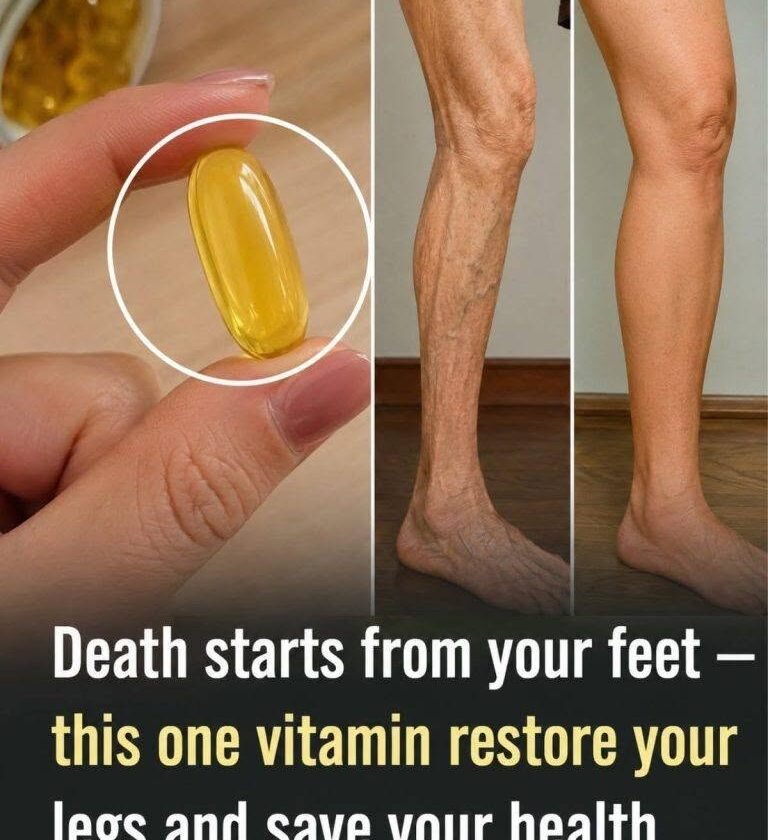
While poor leg and foot circulation can be uncomfortable—often leading to cold toes, numbness, cramping, or fatigue—the claim that any vitamin or supplement can **”instantly boost circulation”** or **”reverse poor blood flow at any age without prescriptions”** is a classic health myth.
Circulation is a complex mechanical and physiological process managed by your heart, the elasticity of your blood vessels, and your overall vascular health. While targeted nutrients play an important supporting role in long-term vascular function, no vitamin acts as an instant fix or a substitute for medical evaluation when underlying issues are present.
—
### Sorting Fact from Fiction on Circulation Vitamins
Certain vitamins and dietary supplements do have legitimate biochemical ties to blood flow, but understanding what they *actually* do helps separate realistic wellness support from marketing hype:
| Nutrient | What It Actually Does | The Reality vs. The Myth |
| — | — | — |
| **Niacin (Vitamin B3)** | Causes a temporary widening of superficial blood vessels, often leading to “niacin flush” (red, warm skin). | **Myth:** While it makes your skin flush and feel warm, it does not actually open up deep, narrowed arteries in the legs or reverse chronic circulatory conditions like peripheral artery disease (PAD). |
| **Vitamin E** | Acts as an antioxidant and has mild antiplatelet effects. | **Myth:** High-dose Vitamin E supplements do not cure poor circulation. In fact, excessive doses can interfere with normal blood clotting and interact dangerously with prescription blood thinners. |
| **Vitamin C** | Supports collagen production, which helps maintain the structural integrity and elasticity of blood vessel walls. | **Fact with limits:** Great for long-term vascular health, but taking extra vitamin C will not instantly clear blocked pathways or restore blood flow to cold feet. |
| **Vitamin D** | Helps regulate endothelial function (the health of the inner lining of blood vessels) and blood pressure. | **Context matters:** Correcting a diagnosed Vitamin D deficiency supports overall cardiovascular health, but supplementing when you already have normal levels won’t boost circulation. |
—
### What Actually Influences Leg and Foot Blood Flow?
Real improvements in peripheral circulation take consistent lifestyle habits rather than a quick pill. Key factors include:
* **Movement and Muscle Action:** Your calf muscles act as a “second heart,” squeezing veins with every step to pump blood back up toward your torso. Sedentary behavior slows this down; regular walking or movement is one of the most effective ways to stimulate blood flow.
* **Hydration:** Water maintains blood volume. When you are dehydrated, your blood becomes slightly thicker and harder for your cardiovascular system to circulate efficiently to your extremities.
* **Managing Underlying Health:** Conditions like atherosclerosis (plaque buildup in arteries), diabetes, high blood pressure, and smoking significantly impact blood vessel health. If poor circulation is severe or persistent, it requires a proper diagnosis by a physician to rule out serious vascular conditions.
### A Safe Approach to Supplements
If you are considering taking vitamins or supplements to support your circulation, always talk to your doctor or pharmacist first—especially if you take blood pressure medications, statins, or blood thinners, as certain supplements can cause adverse interactions.
*Are you currently experiencing specific symptoms in your legs or feet, like coldness or cramping, that prompted you to look into circulation support?*