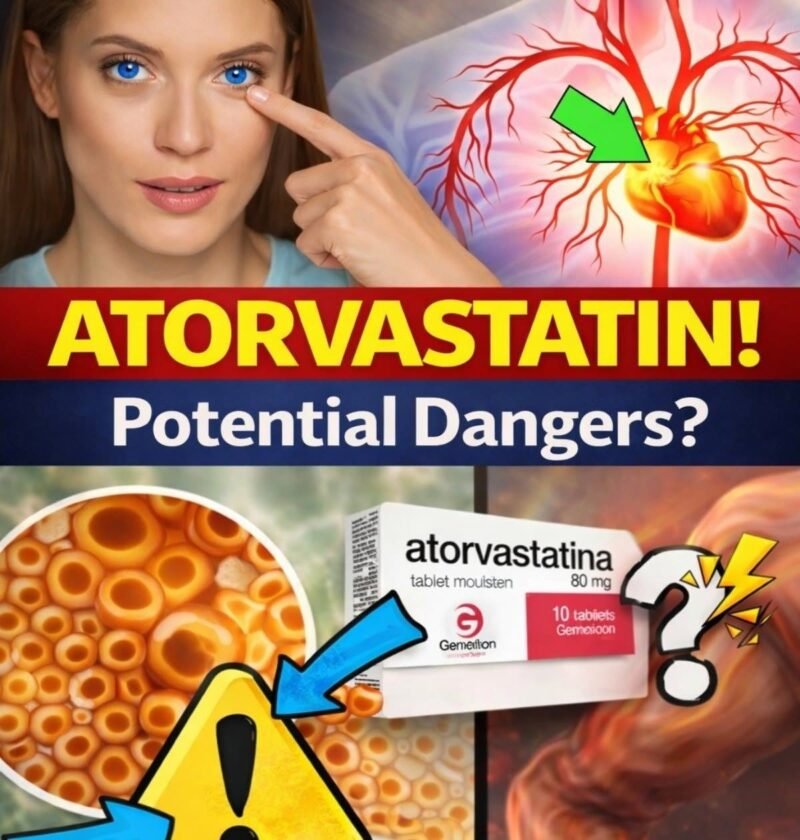
While doctors frequently discuss standard considerations like routine muscle aches or liver enzyme shifts when prescribing atorvastatin (Lipitor), its impact on the body extends much further. Because statins affect cellular cholesterol synthesis, metabolic pathways, and nerve signaling throughout the entire body, they can trigger several less-obvious, overlooked side effects.
Here are 15 hidden or under-discussed side effects of atorvastatin, why they happen, and actionable steps you can take today.
1. Subtle Memory Slips and “Brain Fog”
-
What happens: Difficulty concentrating, word-finding trouble, or a general sense of mental sluggishness.
-
Why it happens: Cholesterol is a critical structural component of brain cell membranes and synapses. While clinical data is mixed, some patients experience mild, reversible cognitive dulling from statin therapy.
-
What you can do: Discuss your symptoms with your physician. Sometimes switching to a more water-soluble statin (which doesn’t cross the blood-brain barrier as easily) or adjusting the dose clears the fog.
2. Mild Blood Sugar Creep (New-Onset Prediabetes)
-
What happens: A gradual uptick in fasting blood glucose or hemoglobin A1c levels over months of use.
-
Why it happens: Statins can subtly decrease insulin sensitivity in peripheral tissues, which occasionally pushes patients with pre-existing metabolic risk factors over the line into type 2 diabetes.
-
What you can do: Keep a close eye on your annual metabolic panels. Prioritizing a low-glycemic diet and regular resistance exercise helps counteract insulin resistance.
3. Peripheral Neuropathy (Tingling and Numbness)
-
What happens: Persistent “pins and needles,” numbness, or burning sensations in the hands or feet.
-
Why it happens: Rare systemic effects on nerve fiber health and micro-circulation can provoke peripheral nerve irritation.
-
What you can do: Never ignore new nerve symptoms. Report them to your doctor immediately to rule out other causes like vitamin deficiencies or neuropathy.
4. Tendon Pain and Tendinopathy
-
What happens: Nagging, localized aches in tendons—most notably the Achilles tendon or rotator cuffs—that mimic tendonitis.
-
Why it happens: Statins can alter collagen turnover and mechanical resilience in connective tissues.
-
What you can do: Avoid high-impact overexertion until evaluated, and ask your doctor if temporary cessation or a structured physical therapy routine is warranted.
5. Unexplained Sleep Disruptions (Insomnia)
-
What happens: Trouble falling asleep, frequent nighttime waking, or restless nights.
-
Why it happens: While less documented than daytime fatigue, central nervous system adjustments can disrupt natural sleep architecture.
-
What you can do: Try taking your atorvastatin dose in the morning instead of right before bed (unless specifically directed otherwise by your prescribing physician).
6. Persistent Digestive Upset Beyond Nausea
-
What happens: Chronic bloating, excess gas, mild cramping, or fluctuating bouts of diarrhea and constipation.
-
Why it happens: Changes in systemic metabolism and gut motility can alter gastrointestinal comfort.
-
What you can do: Incorporating a daily probiotic, increasing dietary fiber gradually, and ensuring adequate hydration can help soothe mild digestive friction.
7. Mild Hair Thinning (Alopecia)
-
What happens: Noticeable hair shedding or a general loss of hair density a few months into therapy.
-
Why it happens: Metabolic shifts can occasionally nudge hair follicles prematurely into a resting (telogen) phase.
-
What you can do: Ensure your diet is rich in essential micronutrients like biotin, iron, and zinc. If shedding is severe, consult your doctor.
8. Unexplained Joint Aches (Arthralgia)
-
What happens: Deep, dull stiffness or aching in larger joints like the knees, hips, or shoulders that isn’t clearly arthritis.
-
Why it happens: Statins can induce low-grade inflammatory responses in periarticular (around the joint) tissues.
-
What you can do: Gentle stretching, low-impact swimming, and omega-3 fatty acid supplements can often help manage mild joint discomfort.
9. Rushing Waves of Fatigue or Malaise
-
What happens: A heavy, body-wide lack of energy or a feeling of being constantly “run down” even after a full night’s sleep.
-
Why it happens: Statins block the mevalonate pathway, which not only lowers cholesterol but also reduces the body’s natural production of Coenzyme Q10 (CoQ10)—a crucial compound needed for cellular energy generation.
-
What you can do: Discuss taking a CoQ10 (Ubiquinol) supplement with your healthcare provider to help restore cellular energy levels.
10. Dry Eyes and Vision Irritation
-
What happens: A gritty, dry sensation or mild irritation on the surface of the eyes.
-
Why it happens: Reduced lipid production in meibomian glands (which lubricate the eye) can destabilize the tear film.
-
What you can do: Use preservative-free artificial tears and ensure you aren’t sitting directly in front of dry HVAC air currents.
11. Subtle Mood Changes and Irritability
-
What happens: Uncharacteristic short temper, feelings of flatness, or mild anxiety.
-
Why it happens: The brain’s heavy reliance on cholesterol balance means central nervous system changes can occasionally ripple into emotional regulation.
-
What you can do: Track your mood patterns and talk openly with your doctor if emotional shifts persist.
12. Changes in Taste Perception (Dysgeusia)
-
What happens: Food tasting metallic, flat, or unusually bitter.
-
Why it happens: Minor trace mineral shifts or nerve receptor sensitivity alterations on the tongue.
-
What you can do: Good oral hygiene, tongue scraping, and alternating your flavor profiles can help manage temporary taste disruptions.
13. Ringing in the Ears (Tinnitus)
-
What happens: A faint buzzing, humming, or ringing sound in one or both ears.
-
Why it happens: Rare fluctuations in inner ear micro-circulation.
-
What you can do: Have your hearing and ear pressure checked by a doctor to rule out other structural or acoustic causes.
14. Immune-Mediated Necrotizing Myopathy (IMNM) — Rare
-
What happens: Severe, progressive muscle weakness in the shoulders and hips (making it hard to climb stairs or lift objects) that persists even after stopping the medication.
-
Why it happens: A very rare autoimmune reaction where the body’s immune system mistakenly attacks muscle tissue.
-
What you can do: This requires immediate medical attention. It is diagnosed via blood antibody tests and managed with immunosuppressive therapies.
15. Rebound Cholesterol Spikes Upon Abrupt Cessation
-
What happens: A dramatic bounce-back surge in LDL (“bad”) cholesterol levels if the medication is stopped cold turkey.
-
Why it happens: Your liver compensates for the drug’s blocking action by upregulating receptors; removing the drug instantly triggers a massive surge in production.
-
What you can do: Never stop taking your statin abruptly. If you want to change your regimen or manage side effects, always work out a structured transition plan with your physician.
Actionable Next Step: If you are experiencing any of these lingering side effects, do not stop your medication on your own. Instead, schedule a check-in with your doctor, request a comprehensive review of your symptoms, and ask about adjusting your dosage, timing, or exploring complementary support like CoQ10.