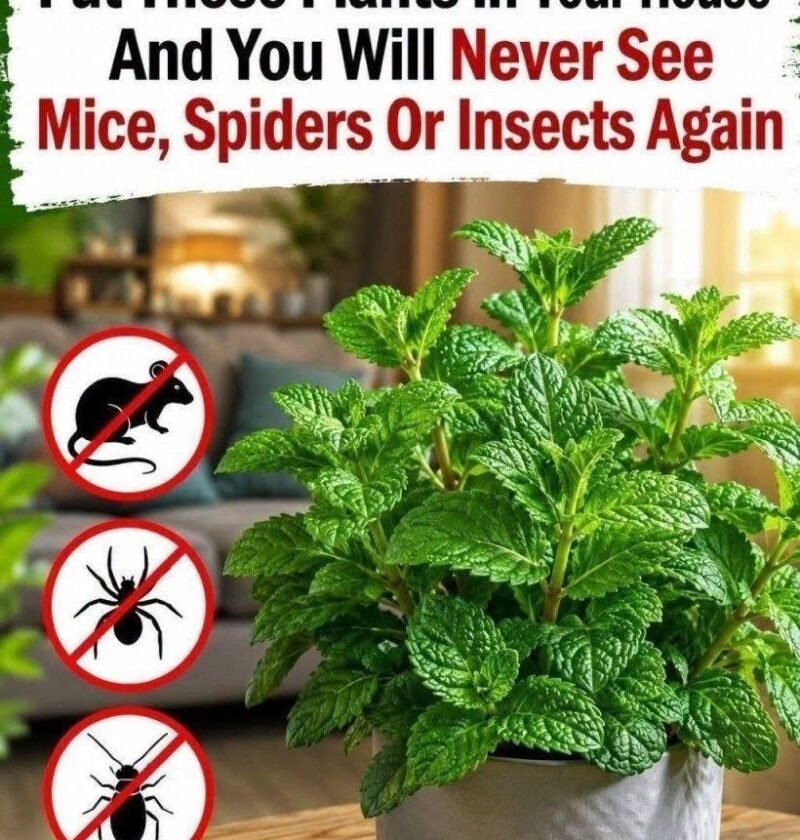
If you are looking for natural, eco-friendly ways to keep pests away from your home and garden, certain plants act as powerful natural deterrents. Their strong aromas, volatile oils, and chemical compounds are pleasant to humans but deeply offensive to mice, spiders, and common insects.
Here are 8 plants that can help naturally repel pests:
1. Peppermint (Mentha piperita)
-
Repels: Mice, spiders, ants, mosquitoes, and ticks.
-
Why it works: Peppermint contains high levels of menthol, which overloads the sensory receptors of mice and many insects. They find the scent overwhelmingly strong and will actively avoid areas where it grows. (Tip: Peppermint spreads aggressively, so it is best planted in containers or enclosed garden beds.)
2. Lavender (Lavandula)
-
Repels: Spiders, mosquitoes, moths, fleas, and flies.
-
Why it works: Lavender smells divine to us, but its rich concentration of linalool and linalyl acetate is a major turnoff for pests. Dried lavender sachets placed in closets or near entry points also work wonders for keeping moths and spiders at bay.
3. Rosemary (Salvia rosmarinus)
-
Repels: Mosquitoes, carrot flies, cabbage moths, and spiders.
-
Why it works: Rosemary has a woody, camphorous fragrance that many crawling and flying insects dislike. It thrives in sunny, well-drained spots and can be easily grown in pots near entryways or patios.
4. Marigolds (Tagetes)
-
Repels: Mosquitoes, aphids, tomato hornworms, squash bugs, and even rabbits.
-
Why it works: Marigolds release a distinct, pungent aroma containing pyrethrum—a natural compound frequently used in organic insecticides. Planting them around vegetable gardens or near doorways provides a colorful, protective barrier.
5. Citronella Grass (Cymbopogon nardus)
-
Repels: Mosquitoes and biting flies.
-
Why it works: This ornamental grass contains citronella oil, the active natural ingredient in many outdoor bug sprays. While it prefers warm climates, it can be kept in large pots and moved indoors during colder months.
6. Chrysanthemums (Chrysanthemum)
-
Repels: Roaches, ants, ticks, fleas, spiders, silverfish, and bed bugs.
-
Why it works: Often called “mums,” these flowers contain natural pyrethrins that attack the nervous systems of insects. They are so effective that their extract is used in commercial pest control products.
7. Catnip (Nepeta cataria)
-
Repels: Mosquitoes, ants, cockroaches, and termites (though it will definitely attract neighborhood cats!).
-
Why it works: Research has shown that the nepetalactone compound in catnip is remarkably effective at repelling certain insects—in some studies, even more so than synthetic DEET.
8. Basil (Ocimum basilicum)
-
Repels: Houseflies and mosquitoes.
-
Why it works: The essential oils in sweet basil—such as linalool, eugenol, and camphor—give off a sharp scent that flying insects prefer to steer clear of. Having a pot of fresh basil on your kitchen windowsill serves a dual purpose as a culinary herb and a bug deterrent.
Pro-Tip for Maximum Effectiveness:Simply having these plants in the ground isn’t always enough. To release their active repellent oils, brush against them, gently crush a few leaves to release their aroma, or snip sprigs to place near windowsills, baseboards, and entry points where mice or spiders might try to sneak inside.
Are you looking to plant these in an outdoor garden, or are you hoping to use specific potted plants or herbs indoors to keep pests away?