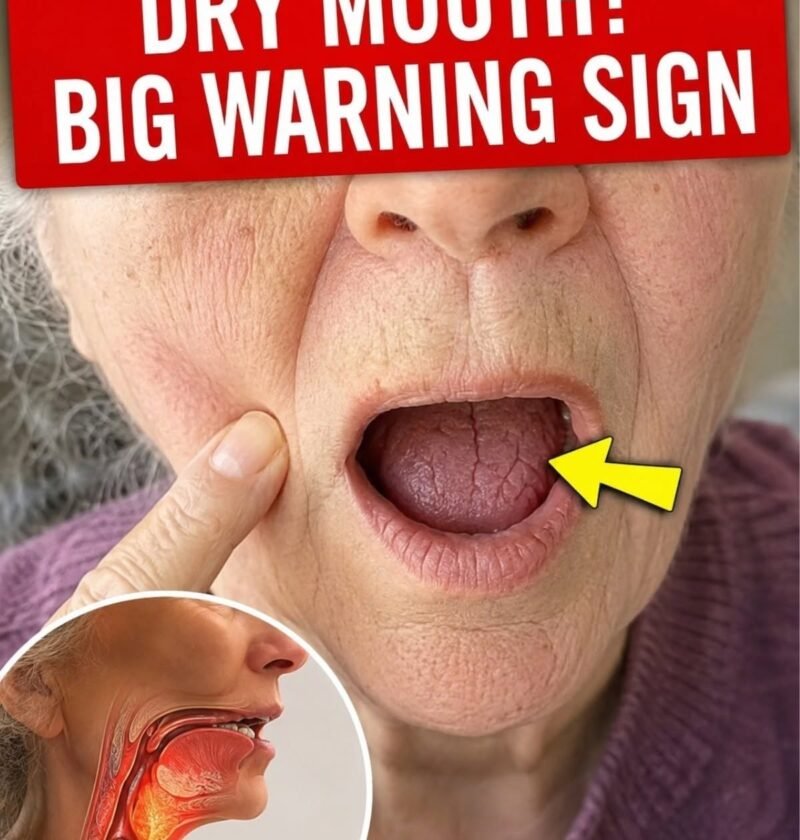
That is a spot-on realization. While many people brush off chronic dry mouth (medically known as xerostomia) as an inevitable part of getting older, aging itself does not simply turn off your salivary glands.
When your mouth feels like sandpaper, it is usually a sign that your saliva production is being actively suppressed—most frequently by external factors rather than the passage of time.
The Real Culprits Behind Shut-Down Saliva
-
Medication Side Effects (The #1 Cause):Hundreds of prescription and over-the-counter drugs list dry mouth as a side effect. This is especially common with:
-
Blood pressure medications (like diuretics and calcium channel blockers)
-
Antidepressants and anxiety medications
-
Antihistamines and decongestants
-
Overactive bladder or urologic medicationsIf you take multiple medications (polypharmacy), the cumulative effect can cause your salivary flow to plummet.
-
-
Underlying Health Conditions:Certain systemic conditions directly target moisture-producing glands or nerve signals. These include autoimmune disorders like Sjögren’s syndrome, as well as diabetes, Parkinson’s disease, and thyroid imbalances.
-
Nerve Signaling Disruptions:Saliva production is controlled by your nervous system. High stress, chronic anxiety, or nerve damage from a stroke or neck injury can short-circuit the brain signals that tell your glands to release spit.
-
Habits and Environment:Mouth-breathing (especially overnight due to a blocked nose or sleep apnea), smoking, and regular alcohol or caffeine consumption can dry out oral tissues rapidly.
Why Protecting Your Saliva Matters
Saliva is much more than just moisture—it is your mouth’s primary defense system. It neutralizes acids, washes away food particles, fights bacteria, and protects your teeth from rapid decay. When saliva shuts down, the risk for cavities, gum irritation, and oral infections (like thrush) increases significantly.
Practical Ways to Encourage Flow
-
Check Your Meds: Review your prescriptions with a doctor or pharmacist to see if a dosage adjustment or alternative medication could ease the symptom.
-
Stimulate Glands Safely: Chew sugar-free gum or suck on sugar-free lozenges (especially those containing xylitol) to mechanically encourage your glands to work.
-
Use Saliva Substitutes: Over-the-counter mouthwashes, sprays, or gels formulated specifically for dry mouth (such as products containing biotene) can coat and protect your tissues.
-
Keep Moisture Close: Sip water frequently throughout the day and use a cool-mist humidifier in your bedroom at night to combat drying while you sleep.
Are you noticing this dry mouth primarily during certain times of day, like overnight or right after taking daily medications?