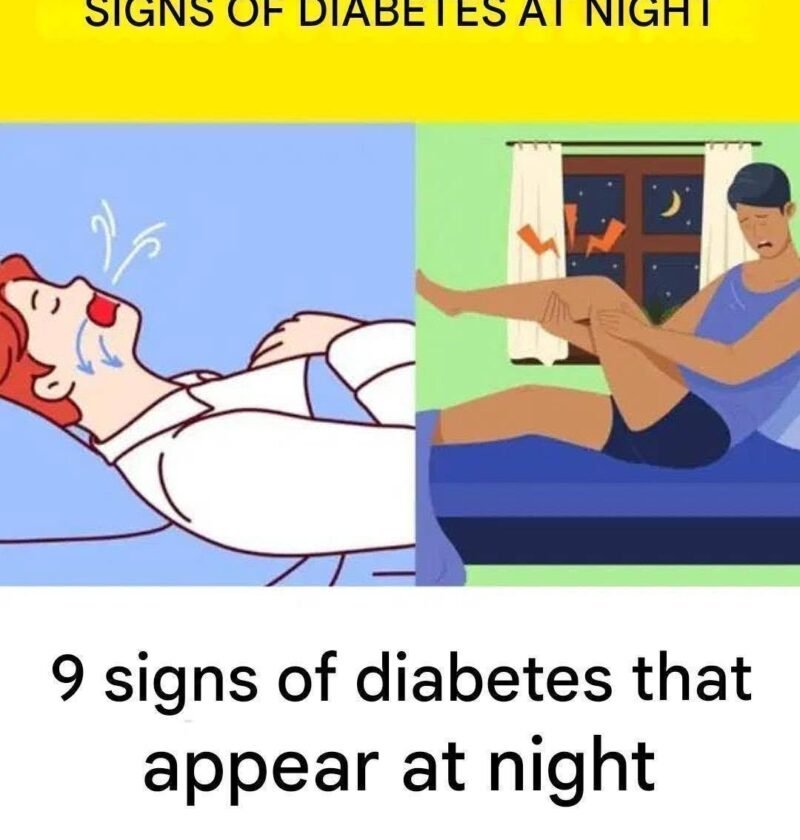
When blood sugar levels are poorly managed, the quiet of nighttime can actually make certain physiological shifts and symptoms much more noticeable.
While “clickbait” wellness articles love to package these indicators into neat lists, many of them genuinely correspond to how diabetes affects the body overnight. Here is a look at the physical signs of blood sugar imbalance that tend to surface or intensify after dark:
1. Frequent Nighttime Urination (Nocturia)
-
What happens: When excess glucose builds up in your bloodstream, your kidneys work overtime to filter and flush it out, pulling extra water with it.
-
Why at night: This accumulation of fluid leads to a constant need to empty your bladder, frequently disrupting sleep.
2. Intense Thirst (Polydipsia)
-
What happens: Because frequent urination dehydrates your body, it triggers an intense, unquenchable thirst.
-
Why at night: Waking up repeatedly with a dry mouth, parched throat, and a strong urge to drink water is a direct consequence of fluid loss overnight.
3. Burning, Tingling, or Numbness in the Feet
-
What happens: High blood sugar over time can damage peripheral nerves (diabetic neuropathy).
-
Why at night: During the day, distractions like walking, work, and movement keep your mind occupied. At night, when you lie down in bed, there are fewer distractions, making the pins-and-needles sensation, burning, or sharp aches in your feet and toes much more prominent.
4. Night Sweats
-
What happens: Sudden fluctuations in blood sugar—particularly drops overnight (nocturnal hypoglycemia)—can trigger a stress response in the body.
-
Why at night: This response activates your sympathetic nervous system, releasing hormones like adrenaline that can cause sweating (particularly around the head, neck, and chest) even if your bedroom is cool.
5. Restless Sleep or Insomnia
-
What happens: Elevated or unstable blood sugar can interfere with natural hormonal rhythms, including the production of melatonin (the hormone responsible for regulating sleep).
-
Why at night: Constant physical disruptions—like needing the bathroom, discomfort from nerve pain, or body temperature shifts—lead to fragmented, restless sleep.
6. Waking Up with a Rapid Heartbeat or Anxiety
-
What happens: If blood sugar drops too sharply while you are asleep, your body panics and releases counter-regulatory hormones to push glucose back up.
-
Why at night: This sudden surge of adrenaline can jolt you awake abruptly, leaving you feeling anxious, jittery, or with a racing heart.
7. Late-Night Hunger Cravings
-
What happens: When insulin resistance prevents glucose from entering your cells efficiently, your cells remain starved for energy.
-
Why at night: Even if you ate dinner, your body may send out urgent hunger signals late at night because it failed to properly process the calories you consumed earlier.
8. Heavy Fatigue and Brain Fog Upon Waking
-
What happens: Because your sleep cycle was continuously interrupted by spikes, drops, bathroom trips, or discomfort, your body never achieves restorative deep sleep.
-
Why at night: Combined with the cellular energy deficit caused by diabetes, you will wake up feeling profoundly exhausted despite having spent 7 to 8 hours in bed.
9. Muscle Cramps in the Legs or Feet
-
What happens: Frequent urination doesn’t just flush out water; it also depletes vital electrolytes like potassium, magnesium, and sodium.
-
Why at night: Electrolyte imbalances frequently manifest as painful muscle spasms, charley horses, or restless leg sensations as the muscles relax during sleep.
The Takeaway
Experiencing a few of these signs consistently—especially frequent nighttime urination paired with excessive thirst or fatigue—is worth discussing with a doctor. A simple routine blood test (like a Fasting Blood Glucose or HbA1c test) can provide clarity on whether your blood sugar is out of balance.
Are you or someone you know currently noticing any of these nighttime symptoms?