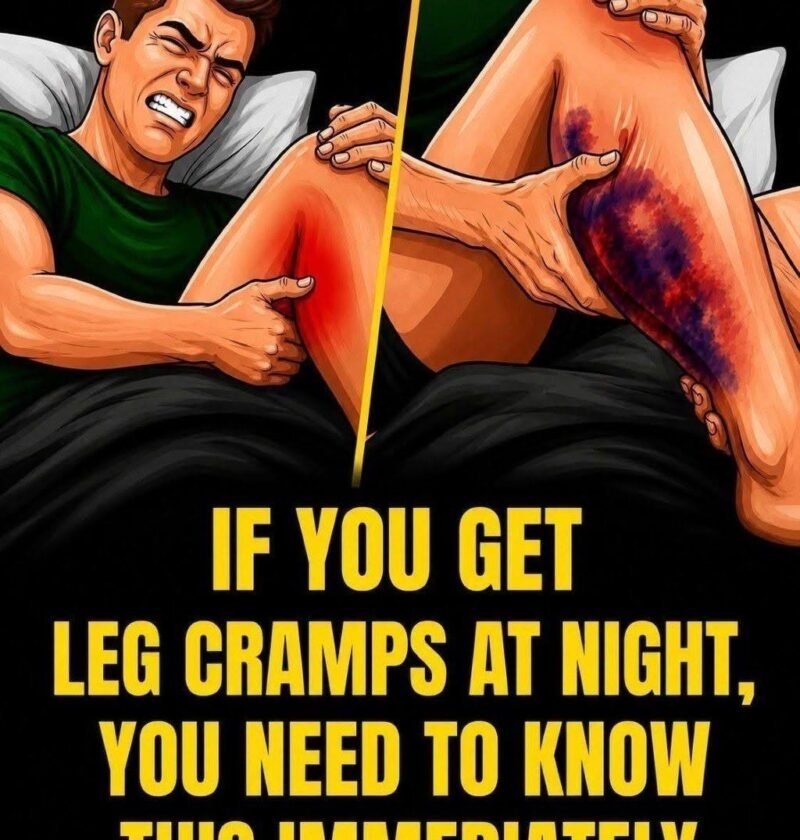
While nighttime leg cramps are often harmless—frequently triggered by everyday issues like muscle fatigue, dehydration, or low electrolyte levels (such as magnesium or potassium)—they can sometimes be a subtle messenger from your circulatory system.
If you are managing conditions like high blood pressure or high cholesterol, persistent nocturnal leg cramps are worth paying attention to.
—
### 1. The Vascular Connection (Peripheral Artery Disease)
Just as plaque buildup can narrow the arteries supplying blood to your heart, it can also affect the blood vessels in your legs—a condition known as **Peripheral Artery Disease (PAD)**.
* **The Pattern:** When you lie flat at night, your muscles require adequate blood flow, but narrowed arteries may struggle to deliver enough oxygen-rich blood to the calves or feet.
* **The Clue:** Unlike standard dehydration cramps that strike randomly, vascular-related cramps or discomfort often have a pattern and may even ease if you dangle your legs over the edge of the bed to let gravity help blood flow. Risk factors for PAD heavily overlap with those for high blood pressure and high cholesterol.
### 2. Medication Side Effects
Certain medications commonly prescribed to manage cardiovascular health can sometimes contribute to muscle cramps as a side effect. For example:
* **Diuretics (water pills)** used for high blood pressure can alter electrolyte balances.
* **Statins** used for high cholesterol are occasionally associated with muscle aches or cramping in some individuals.
*(Note: Never stop prescribed medications on your own; always consult your physician if you suspect a side effect.)*
### 3. Everyday Culprits to Rule Out First
Before jumping to conclusions, it helps to look at common, easily fixable triggers:
* **Dehydration & Electrolytes:** Not drinking enough water or lacking sufficient magnesium, calcium, or potassium.
* **Muscle Strain or Prolonged Sitting:** Sitting or standing for long hours, or lack of stretching.
—
### What You Should Do
If your leg cramps are frequent, severe, waking you up regularly, or accompanied by symptoms like cold feet, numbness, skin discoloration, or swelling, bring it up at your next checkup. A simple evaluation can help determine whether your night cramps are just a muscle quirk or an important signal about your overall circulation.
Do your nighttime cramps tend to happen after active days, or do they wake you up regardless of what you did during the day?