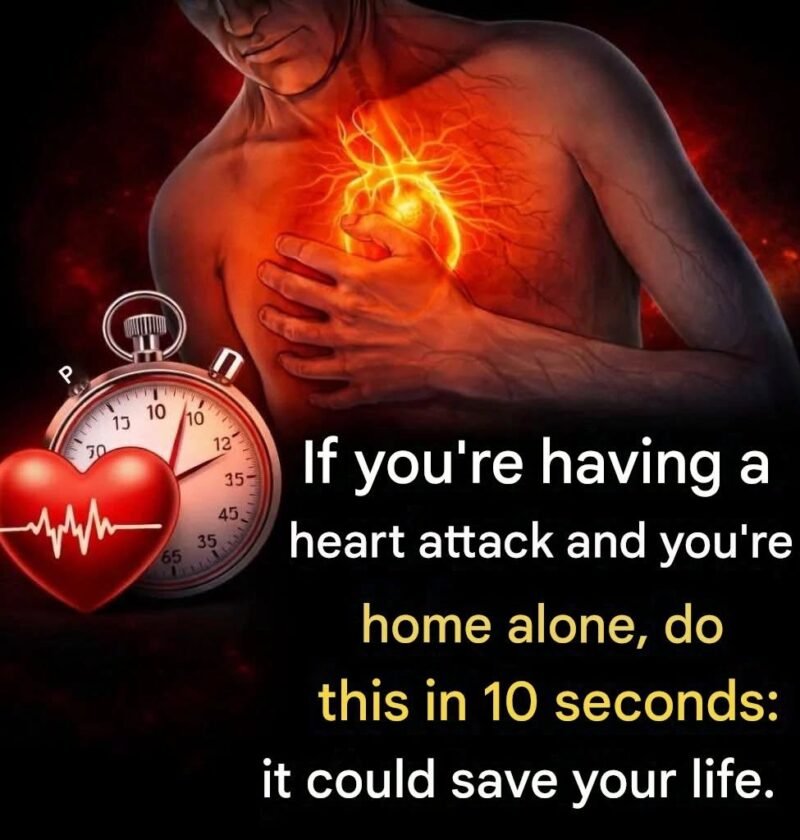
The advice circulating online about performing “cough CPR” or specific breathing tricks to stop a heart attack in 10 seconds is a dangerous medical myth.
Major health organizations, including the American Heart Association and the British Heart Foundation, explicitly warn that “cough CPR” does not work for a heart attack and is not a substitute for emergency medical care.
Why “Cough CPR” is a Myth
-
Heart Attacks vs. Cardiac Arrest: A heart attack is a circulation problem where blood flow to part of the heart is blocked. The heart usually continues to beat, but tissue is damaged. Coughing cannot clear a blocked coronary artery.
-
Loss of Consciousness: The viral myth claims you have 10 seconds to cough repeatedly. In a true sudden cardiac arrest (where the heart stops), a person loses consciousness within seconds, making deliberate coughing physically impossible.
-
Dangerous Delays: Relying on unverified social media tricks wastes critical minutes, delaying professional medical intervention and life-saving treatments like emergency surgery or defibrillation.
What You Should Actually Do in an Emergency
If you or someone nearby is experiencing signs of a heart attack (such as chest pain, pressure or squeezing, shortness of breath, or pain radiating to the arm, jaw, or back):
-
Call Emergency Services Immediately: Dial your local emergency number (such as 911) right away. Do not wait to see if symptoms pass.
-
Chew Aspirin (If Advised): If you are not allergic and have no history of bleeding disorders, emergency dispatchers may instruct you to chew an adult aspirin to help keep blood platelets from clotting further.
-
Rest and Stay Calm: Sit or lie down comfortably, loosen tight clothing, and try to remain calm while waiting for emergency responders to arrive.
-
If the Person Becomes Unresponsive: If someone collapses, loses consciousness, and is not breathing normally, they may have entered cardiac arrest. Immediately start Hands-Only CPR (push hard and fast in the center of the chest) and use an AED (Automated External Defibrillator) if one is available.