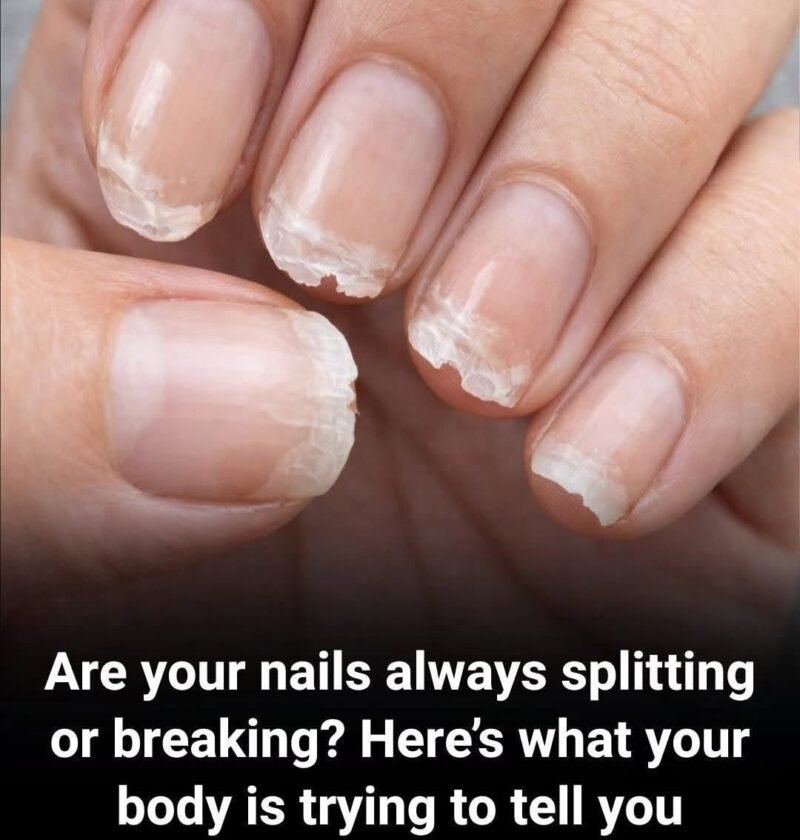
Weak or brittle nails are a common concern, often caused by a combination of environmental factors, daily habits, and sometimes underlying nutritional or health considerations.
Here is a breakdown of why this happens, practical steps you can take to strengthen your nails, and what to look out for.
Common Causes of Brittle Nails
-
Frequent Hand Washing and Water Exposure: Repeatedly getting your nails wet and dry strips them of their natural moisture and oils, making them prone to peeling and splitting.
-
Harsh Chemicals: Frequent use of acetone-based nail polish removers, harsh cleaning products, or dishwashing liquids without gloves can severely weaken the nail plate.
-
Nutritional Deficiencies: A lack of certain vitamins and minerals—most notably biotin (Vitamin B7), iron, zinc, or protein—can impact nail strength.
-
Aging: As we get older, nails naturally become drier, thinner, and more brittle.
-
Underlying Health Conditions: Conditions like hypothyroidism (an underactive thyroid), fungal infections, or chronic skin conditions (such as eczema or psoriasis) can affect nail health.
Practical Tips for Stronger Nails
-
Moisturize Regularly: Apply a thick hand cream or cuticle oil containing ingredients like shea butter, vitamin E, or lanolin, especially right after washing your hands while they are still slightly damp.
-
Protect Your Hands: Wear rubber or nitrile gloves when doing household chores, washing dishes, or handling cleaning chemicals.
-
Be Gentle with Manicures:
-
Avoid acetone-based removers; opt for non-acetone formulas instead.
-
Limit the use of gel manicures and artificial acrylics, as the removal process can strip layers of your natural nail.
-
Avoid filing your nails back and forth (sawing motion); instead, file gently in one direction using a fine-grit glass or crystal file.
-
-
Keep Them Trimmed: Shorter nails are less likely to catch, snag, or peel. Trim them straight across with slightly rounded edges.
-
Support from Within: Maintain a balanced diet rich in lean proteins, healthy fats, and micronutrients. If you suspect a deficiency, consider discussing a biotin or multivitamin supplement with a healthcare professional.
When to See a Doctor
While most brittle nails can be managed with better care and protection, consult a dermatologist or healthcare provider if you notice:
-
Nails separating completely from the nail bed.
-
Discoloration (such as dark streaks, yellowing, or white spots that don’t grow out).
-
Pain, swelling, or redness around the nail folds.
-
No improvement despite several weeks of consistent nail care.
Are your brittle nails accompanied by any other symptoms, such as hair thinning or fatigue, or are they mainly due to frequent handwashing or chemicals?