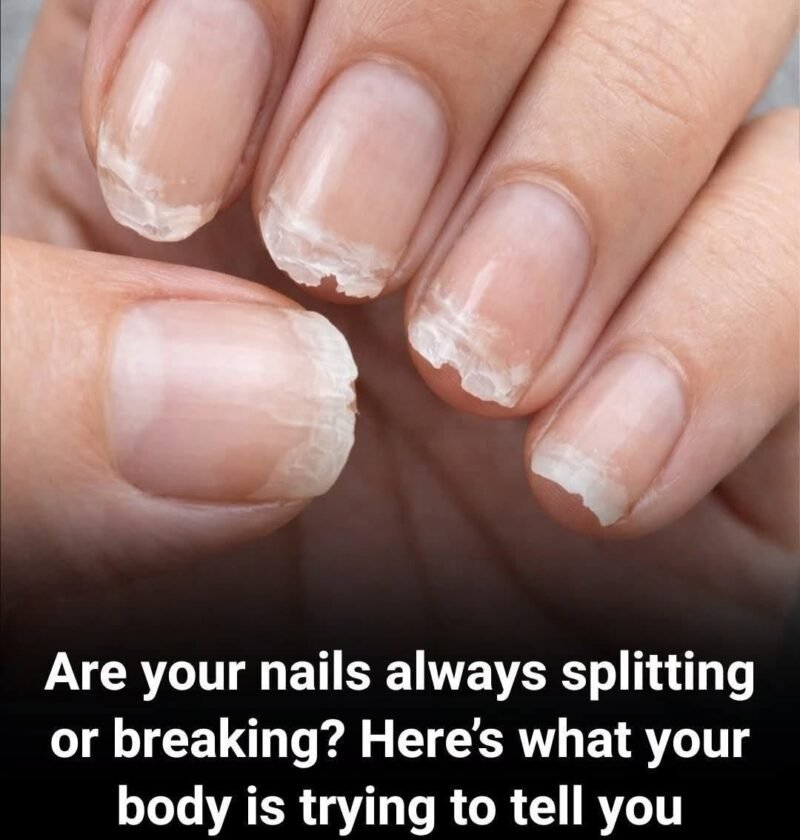
Weak, splitting, or brittle nails are often written off as a simple cosmetic annoyance or a natural part of aging. However, your nails act like a window into your internal health. Because nail cells (made of a tough protein called keratin) grow continuously, any disruption in your body’s nutritional status, hormonal balance, or circulation can quickly show up as changes in nail texture and strength.
Understanding what weak or brittle nails might be trying to tell you involves looking at both internal health indicators and external factors.
—
### 1. Nutritional Deficiencies
Your nails require a steady supply of building blocks to grow strong and resilient. A shortage of key vitamins and minerals is one of the most common internal causes of brittle nails:
* **Iron:** Iron is essential for carrying oxygen to your tissues, including the nail matrix (where new nail growth originates). Low iron or ferritin (iron stores) can lead to dry, brittle nails, or even *koilonychia* (spoon-shaped nails that hollow out).
* **Biotin (Vitamin B7):** Often hailed as the ultimate “hair and nail vitamin,” biotin supports keratin production. A deficiency can result in fragile nails that split or peel easily.
* **Zinc:** Zinc is vital for cell growth and protein synthesis. Low zinc levels can cause brittleness and often manifest as white spots or lines across the nails.
* **Protein:** Since nails are fundamentally made of protein, a chronically low-protein diet can stunt growth and compromise structural integrity.
* **Vitamin B12 and Folate:** These nutrients are necessary for red blood cell formation and cell division. Deficiencies can make nails dull, curved, or crumbly.
### 2. Underlying Health Conditions
If your brittle nails are accompanied by other systemic symptoms, your body might be signaling a medical issue:
* **Thyroid Disorders:** Hypothyroidism (an underactive thyroid) slows down your body’s metabolism and cell turnover. This frequently results in dry, brittle, slow-growing, or easily cracked nails, often accompanied by fatigue, cold intolerance, or weight changes.
* **Anemia:** Beyond just an iron deficiency, systemic anemia reduces overall oxygen delivery, leading to pale, weak nail beds.
* **Circulatory Issues:** Conditions like Raynaud’s syndrome, which restricts blood flow to the extremities, can deprive your nail beds of necessary nutrients and oxygen.
### 3. External and Environmental Factors
Not all nail trouble starts from the inside. In fact, many cases of brittle nails are caused by external wear and tear:
* **Frequent Wetting and Drying:** Constantly washing your hands, swimming, or doing dishes without gloves causes the nails to absorb water and swell, then dry and shrink. This cycle—known as *brittle nail syndrome* or *onychoschizia*—causes the layers of the nail to peel and split.
* **Harsh Chemicals:** Frequent exposure to household cleaning products, acetone-based nail polish removers, and low-quality nail hardeners strips natural oils and moisture from the nail plate.
* **Over-Manicuring:** Frequent use of gel polishes, acrylics, and the aggressive filing or scraping of the nail surface can severely weaken the structural integrity of the natural nail.
—
### Clues: Is it Internal or External?
A quick way to narrow down the cause is to look at your **toenails**:
* If **only your fingernails** are brittle, the culprit is likely external (frequent handwashing, chemicals, manicures) or mechanical.
* If **both your fingernails and toenails** are weak, peeling, or brittle, it points much more strongly toward an internal cause, such as a nutritional deficiency or systemic health condition.
—
### How to Support Stronger Nails
* **Protect Your Hands:** Wear rubber or waterproof gloves when doing chores, washing dishes, or handling harsh chemicals.
* **Lock in Moisture:** Apply a thick hand cream or ointment containing lanolin, alpha-hydroxy acids, or Shea butter to your hands and nails frequently—especially immediately after washing your hands.
* **Reevaluate Your Diet:** Focus on whole foods rich in lean proteins, healthy fats (like omega-3s), leafy greens, beans, and nuts.
* **Proceed with Caution on Supplements:** While biotin or multivitamin supplements are popular, avoid self-diagnosing with high-dose single supplements (like iron) unless a blood test confirms a deficiency. Excess iron or zinc can cause toxicity, and high doses of biotin can falsely skew important medical laboratory tests (such as thyroid or cardiac markers).
### When to See a Doctor
If your brittle nails persist despite better moisturizing and dietary habits—especially if they are accompanied by fatigue, hair loss, unexplained weight changes, or changes in the shape and color of the nail bed—it is best to consult a healthcare professional. A simple blood panel can check your iron stores, thyroid function, and vitamin levels to address the root cause from the inside out.