Aneurysm: Signs You Shouldn’t Ignore
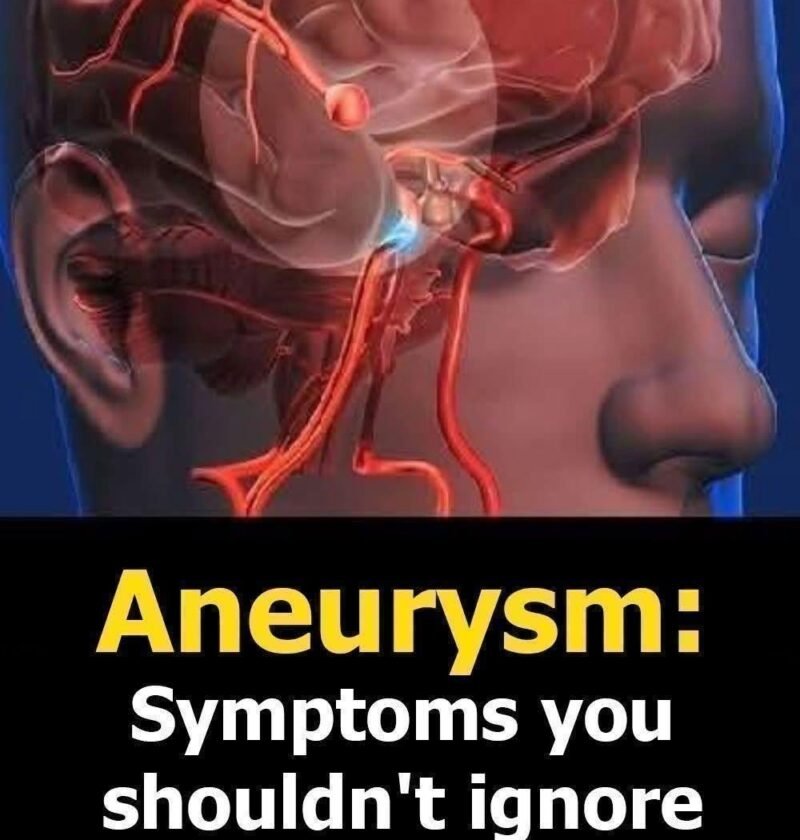
An aneurysm occurs when a weakened area of a blood vessel bulges outward, like a small balloon. Some aneurysms cause no symptoms until they become dangerous, which is why knowing the warning signs matters.
The most important thing to know is that a ruptured aneurysm is a medical emergency. Symptoms depend on where the aneurysm occurs—most commonly in the brain or the aorta, the body’s largest artery.
🚨 Warning signs you should never ignore
A sudden headache that reaches maximum intensity within seconds or minutes may signal a ruptured brain aneurysm. Seek emergency care immediately.
Double vision, a drooping eyelid, or weakness or numbness on one side of the face can occur with a brain aneurysm. New or sudden symptoms need urgent assessment.
Severe, abrupt pain—particularly with fainting, pale skin, or difficulty breathing—can indicate a ruptured or dissecting aortic aneurysm.
These symptoms alongside a sudden severe headache may indicate bleeding around the brain and require emergency treatment.
Who is at higher risk?
Factors that can increase risk include:
-
High blood pressure that isn’t controlled.
-
Smoking or a history of smoking.
-
A close family history of aneurysms.
-
Certain inherited conditions affecting blood vessels or connective tissue.
-
Increasing age, particularly for abdominal aortic aneurysms.CDC+1
What should you do?
-
If warning symptoms are happening now: call your local emergency service or go to the nearest emergency department immediately. Do not drive yourself.
-
If you have persistent or recurring symptoms: arrange prompt medical evaluation.
-
If you feel well: manage blood pressure, avoid smoking, and discuss screening with a clinician if you have relevant risk factors. Many aneurysms cause no symptoms, so symptoms alone cannot rule one out.
Aneurysms can be life-threatening, but an unruptured aneurysm can sometimes be monitored or treated before it causes an emergency.
Are you asking for general awareness, or are you or someone close to you experiencing a symptom right now? If there is a sudden, severe headache or sudden severe chest, back, or abdominal pain, please seek emergency care without waiting for a reply.