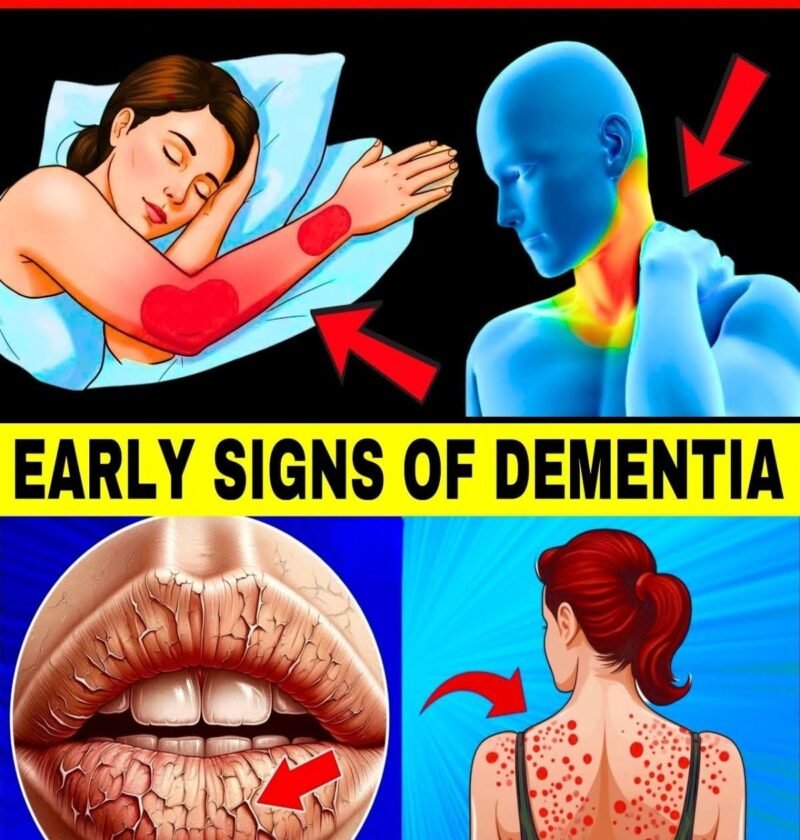
Recognizing the early signs of dementia is crucial for early diagnosis, accessing support, and planning ahead. While occasional forgetfulness is a normal part of aging, certain symptoms go beyond typical age-related changes.
Here are **10 early signs of dementia** that should never be ignored, based on guidelines from major health organizations like the Alzheimer’s Association:
—
### 1. Memory Loss That Disrupts Daily Life
* **The Sign:** Forgetting recently learned information, important dates, or events, and repeatedly asking for the same information.
* **Normal Aging vs. Dementia:** Occasionally forgetting names or appointments, but remembering them later, is normal. Relying heavily on memory aids (like reminder notes or electronic devices) for things you used to handle on your own is a red flag.
### 2. Challenges in Planning or Solving Problems
* **The Sign:** Trouble following a familiar plan or working with numbers. You might struggle to follow a recipe you’ve used for years, keep track of monthly bills, or concentrate on complex tasks.
* **Normal Aging vs. Dementia:** Making occasional errors when balancing a checkbook or managing household finances is typical; systemic confusion with numbers is not.
### 3. Difficulty Completing Familiar Tasks
* **The Sign:** Finding daily routines increasingly difficult—such as struggling to drive to a familiar location, organize a grocery list, or remember the rules of a favorite game.
* **Normal Aging vs. Dementia:** Needing occasional help to use microwave settings or record a television show is normal aging.
### 4. Confusion with Time or Place
* **The Sign:** Losing track of dates, seasons, and the passage of time. A person with dementia may forget where they are or how they got there, and can struggle to understand something if it isn’t happening immediately.
* **Normal Aging vs. Dementia:** Briefly forgetting what day of the week it is, but figuring it out later, is common.
### 5. Trouble Understanding Visual Images and Spatial Relationships
* **The Sign:** Having difficulty reading, judging distance, and determining color or contrast, which can lead to issues with balance, driving, or misinterpreting reflections in mirrors.
* **Normal Aging vs. Dementia:** Vision changes related strictly to cataracts, aging eyes, or general presbyopia are typical, whereas spatial processing issues are distinct.
### 6. New Problems with Words in Speaking or Writing
* **The Sign:** Stopping midway through a conversation with no idea how to continue, or repeating oneself. You might struggle with vocabulary, struggle to name a familiar object (calling a “watch” a “hand-clock”), or use the wrong names.
* **Normal Aging vs. Dementia:** Occasionally having trouble finding the right word is completely normal.
### 7. Misplacing Things and Losing the Ability to Retrace Steps
* **The Sign:** Putting items in unusual places (e.g., putting an iron in the freezer or car keys in the sugar bowl) and being unable to go back over your steps to find them. Accusing others of stealing may also occur as frustration builds.
* **Normal Aging vs. Dementia:** Misplacing keys or glasses from time to time and retracing steps to find them is typical.
### 8. Decreased or Poor Judgment
* **The Sign:** Experiencing changes in decision-making, such as poor judgment when dealing with money, giving large amounts away to telemarketers, or paying less attention to personal hygiene and grooming.
* **Normal Aging vs. Dementia:** Making a questionable decision or mistake once in a while (like neglecting to oil a hinge) is normal.
### 9. Withdrawal from Work or Social Activities
* **The Sign:** Pulling away from hobbies, social activities, work projects, or sports. You may avoid social situations because you feel overwhelmed by changes you are experiencing or have trouble keeping up with favorite teams or conversations.
* **Normal Aging vs. Dementia:** Feeling occasionally weary of work, family, and social obligations is normal; completely withdrawing is a warning sign.
### 10. Changes in Mood and Personality
* **The Sign:** Becoming easily confused, suspicious, depressed, fearful, or anxious. Individuals can become easily upset at home, with friends, or outside of their comfort zones, experiencing rapid mood swings for no apparent reason.
* **Normal Aging vs. Dementia:** Developing very specific ways of doing things and becoming irritable when a routine is disrupted is common as people age, but radical shifts in temperament are not.
—
> **Note:** If you or a loved one are experiencing several of these signs consistently, it is important to consult a healthcare professional. Many symptoms can mimic dementia—including vitamin deficiencies, thyroid problems, medication side effects, or depression—some of which are entirely treatable.
Are you or a loved one currently noticing any of these specific changes, or are you looking for guidance on how to talk to a doctor about cognitive concerns?