5 Common Mistakes That Can Increase Fall Risk in Older Adults
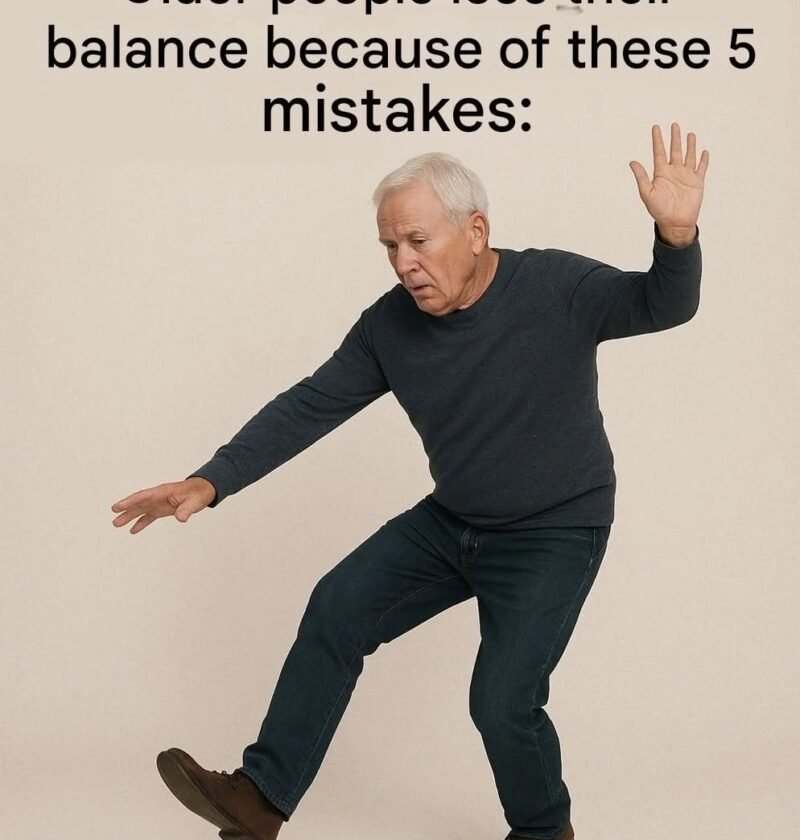
Losing balance isn’t simply a normal part of aging. Often, several factors contribute, and some can be corrected.
- Standing up too quickly
A sudden change from sitting or lying to standing can cause a temporary drop in blood pressure, leading to dizziness or unsteadiness.
- Wearing unsuitable footwear
Loose slippers, slippery soles, worn-out shoes, or footwear without adequate support can increase the chance of slipping or tripping.
- Keeping hazards around the home
Loose rugs, clutter, electrical cords, wet floors, and poorly lit stairs are common and preventable fall hazards.
- Becoming too inactive
Avoiding movement because of fear of falling can gradually reduce leg strength and balance. Appropriate strength and balance exercises can help maintain mobility.
- Ignoring medication or health problems
Some medicines can cause dizziness or drowsiness. Vision problems, inner-ear disorders, low blood pressure, neuropathy, arthritis, and neurological conditions can also affect balance.
🚨 A sudden change is different
If someone suddenly develops severe dizziness, loss of balance, weakness or numbness on one side, difficulty speaking, vision changes, or a severe headache, seek emergency medical attention. These can be warning signs of a stroke.
For repeated falls or unexplained unsteadiness, a clinician or physiotherapist can review medications, vision, blood pressure, strength, gait, and balance and identify potentially treatable causes.