What is normal blood pressure for each age?
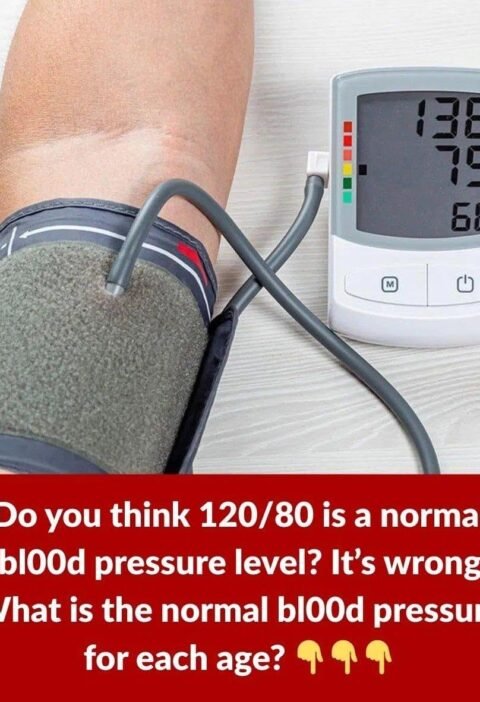
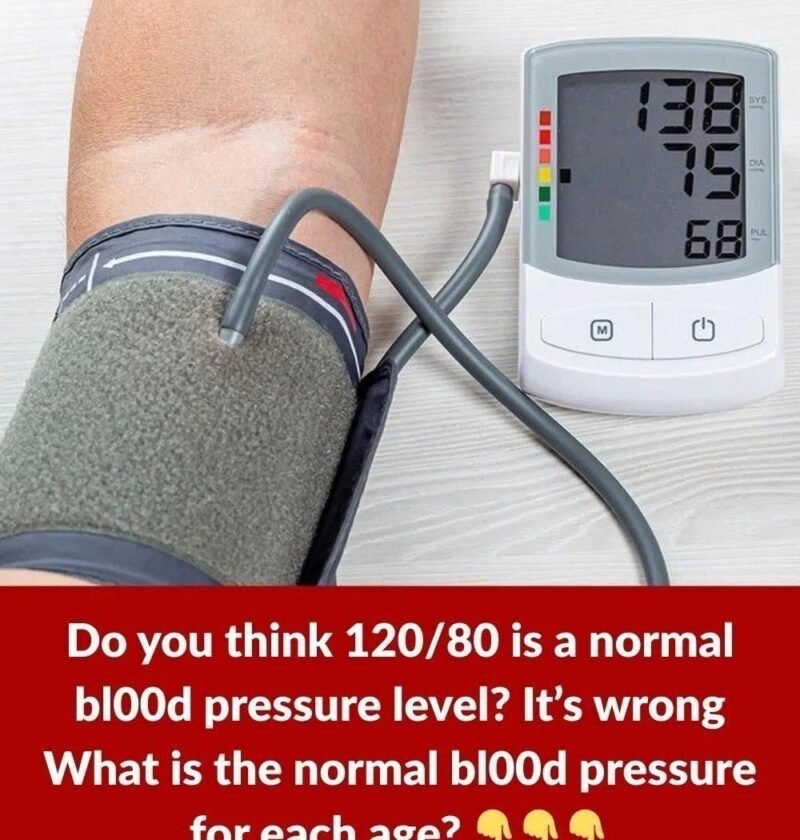
A common myth is that blood pressure has a completely different “normal” value for every adult age. For adults, the standard blood-pressure categories are generally the same regardless of whether you’re 30, 50, or 80. The 2025 AHA/ACC guideline continues to define normal adult blood pressure as below 120/80 mmHg. American Heart Association+1
| Age | Normal adult blood pressure |
|---|---|
| 18–39 | Below 120/80 mmHg |
| 40–59 | Below 120/80 mmHg |
| 60–79 | Below 120/80 mmHg |
| 80+ | Below 120/80 mmHg |
Adult blood-pressure categories
-
Normal: <120 and <80
-
Elevated: 120–129 and <80
-
Stage 1 hypertension: 130–139 or 80–89
-
Stage 2 hypertension: ≥140 or ≥90
-
Severe hypertension: >180 and/or >120 www.heart.org+1
A single high reading doesn’t necessarily mean you have hypertension. Repeated, properly measured readings are more useful, and a healthcare professional should confirm a diagnosis.
What about children?
Children are different. For children and teenagers, healthy blood pressure is interpreted according to age, sex, and height, rather than using the adult 120/80 cutoff. www.heart.org
🚨 When blood pressure is very high
If your reading is above 180/120 mmHg, repeat it after resting quietly. If it remains that high, seek prompt medical advice. If it is accompanied by chest pain, shortness of breath, weakness/numbness, vision changes, severe headache, or difficulty speaking, seek emergency medical care. www.heart.org
Bottom line: Don’t assume that a higher blood pressure is “normal for your age.” For adults, <120/80 is considered normal, while treatment decisions depend on repeated readings and your overall health and cardiovascular risk.