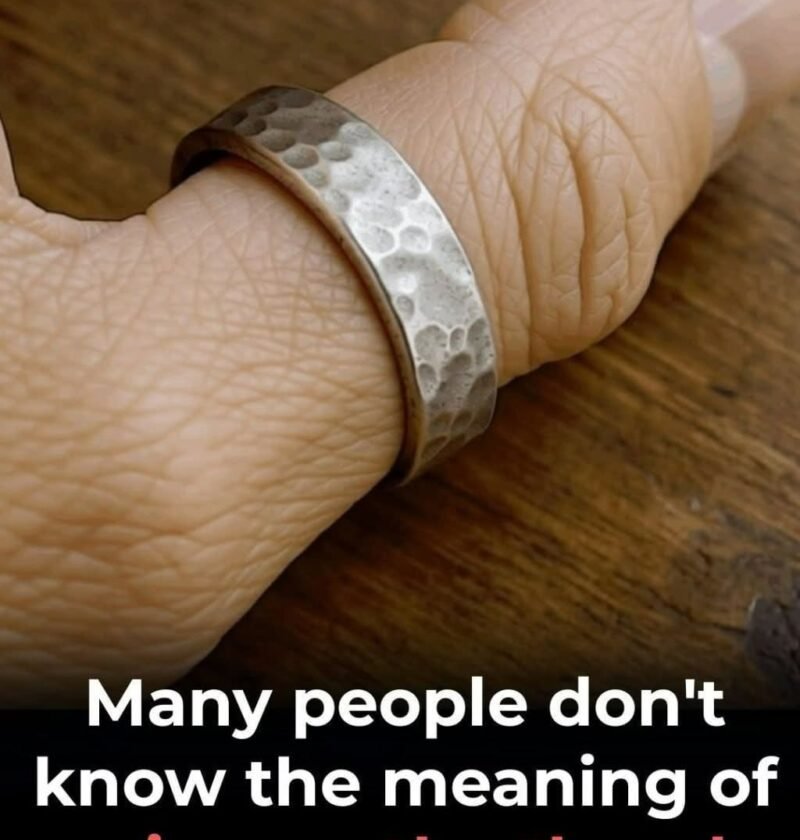
The hidden meaning behind thumb rings
A thumb ring can certainly carry meaning, but there is no universal code that says a thumb ring always represents one particular personality trait, relationship status, or sexual orientation. Its meaning depends heavily on culture, historical period, and the individual wearing it.
🏺 A little history
Thumb rings have been worn for centuries in different parts of the world.
-
Ancient and medieval archery: Rings made from materials such as jade, horn, stone, or metal were used by some archers to protect the thumb while drawing a bow. These are often called archer’s thumb rings.
-
Status and wealth: In some historical societies, rings—including thumb rings—could display wealth, rank, family identity, or access to valuable materials.
-
Signets and symbolism: Rings could also function as personal seals or carry inscriptions, religious symbols, or family emblems.
-
Modern fashion: Today, many people simply choose a thumb ring because they like its appearance or because it complements their personal style.
💍 Does the thumb you wear it on matter?
You’ll sometimes see claims such as:
-
Right thumb = independence
-
Left thumb = strength or self-expression
-
A thumb ring supposedly signals a particular relationship status
These interpretations circulate widely online, but they aren’t universal historical rules. A person’s choice of hand can simply come down to comfort, handedness, fashion, or personal preference.
Why thumb rings feel distinctive
The thumb is visually prominent and isn’t where people traditionally expect to see a ring. As a result, a thumb ring can create a deliberately bold, unconventional, or minimalist look without necessarily carrying a deeper message.
So if someone wears one, the safest interpretation is simply: they’re wearing a ring on their thumb. Any additional meaning belongs to the wearer unless they have explicitly said otherwise.
If you’re interested, I can also explain the historical meaning of rings on each finger (thumb, index, middle, ring, and pinky) and which traditions are actually documented versus modern internet myths.