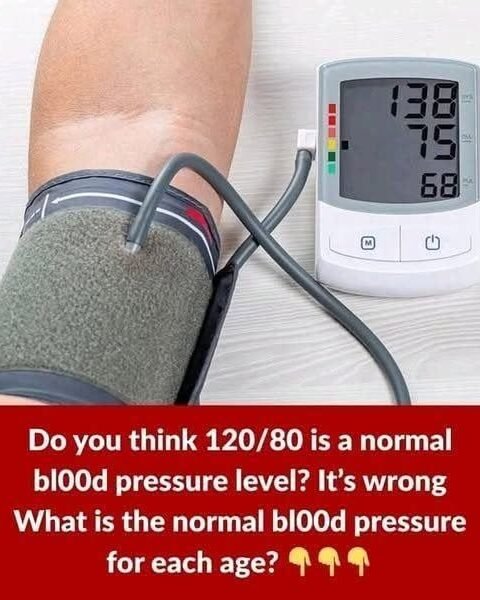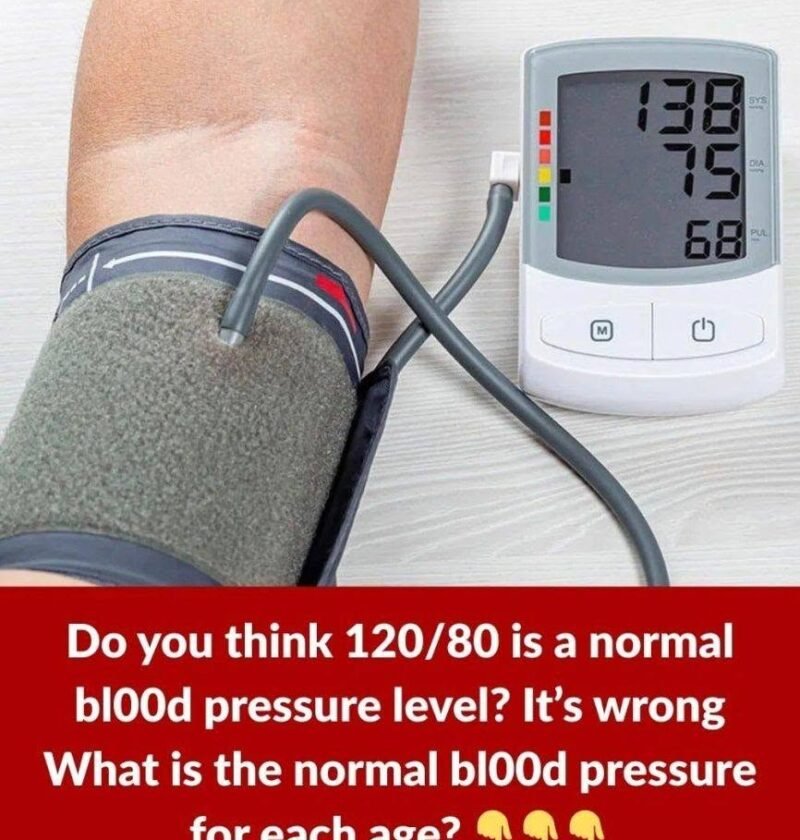
Normal blood pressure by age
A common misconception is that normal blood pressure should automatically be higher as you get older. For adults, current American Heart Association guidance uses the same basic categories across adult age groups. Normal is below 120/80 mmHg. www.heart.org+1
| Age | Normal blood pressure |
|---|---|
| 18–29 | Below 120/80 mmHg |
| 30–39 | Below 120/80 mmHg |
| 40–49 | Below 120/80 mmHg |
| 50–59 | Below 120/80 mmHg |
| 60–69 | Below 120/80 mmHg |
| 70–79 | Below 120/80 mmHg |
| 80+ | Below 120/80 mmHg |
How to interpret an adult reading
-
Normal: <120 and <80
-
Elevated: 120–129 and <80
-
Stage 1 hypertension: 130–139 or 80–89
-
Stage 2 hypertension: ≥140 or ≥90 www.heart.org+1
So 150/85 isn’t considered normal simply because someone is 75 or 85 years old. However, an individual’s treatment target can be personalized according to overall health and medical circumstances.
🚨 Very high blood pressure
If a reading is over 180/120 mmHg, repeat it after at least a minute. If it remains that high, contact a healthcare professional promptly. If it occurs with chest pain, shortness of breath, weakness/numbness, vision changes, severe headache, or difficulty speaking, seek emergency medical care. www.heart.org
For children and teenagers, blood-pressure interpretation is different and depends on age, sex, and height rather than the adult 120/80 cutoff.
If you give me a reading such as “145/82, age 68”, I can explain exactly what that reading means.