7 Signs That May Indicate Your Heart Needs Urgent Attention
Heart problems don’t always begin with dramatic chest pain. Some warning signs can be subtle, and recognizing them early can be important.
-
Chest pressure, squeezing, or discomfort
A feeling of pressure, heaviness, tightness, or burning in the chest—especially during exertion—can be a warning sign of reduced blood flow to the heart. -
Pain spreading beyond the chest
Heart-related discomfort can spread to one or both arms, the shoulder, back, neck, jaw, or upper abdomen. -
Unexplained shortness of breath
Breathlessness during ordinary activities or at rest can have many causes, but it can occur with heart disease and shouldn’t be ignored when it’s new or worsening. -
Unusual fatigue or weakness
A sudden or unexplained drop in energy can sometimes accompany heart problems. It is particularly important when combined with chest discomfort or breathlessness. -
Fainting or near-fainting
Passing out, especially during physical activity, can sometimes be related to an abnormal heart rhythm or another cardiovascular problem. -
Rapid, pounding, or irregular heartbeat
Occasional awareness of your heartbeat can be harmless, but persistent or recurrent palpitations—particularly with dizziness, chest pain, or fainting—need medical evaluation. -
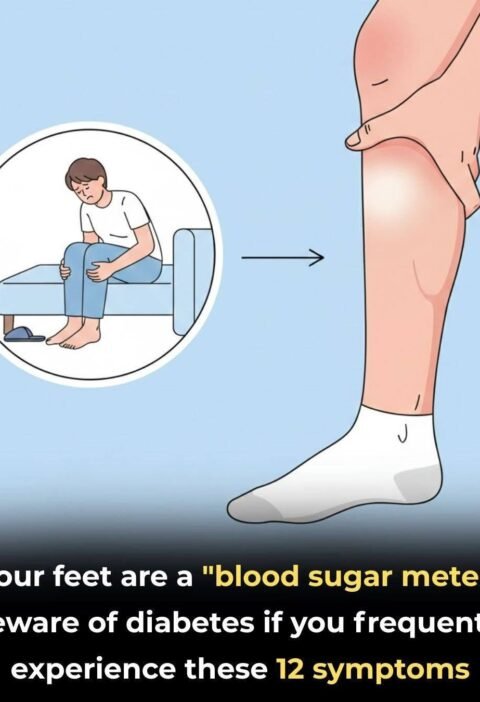
Unexplained swelling
Swelling of the ankles, legs, or abdomen can occur when the heart isn’t pumping effectively. However, swelling has many other possible causes, including kidney, liver, and vein problems.
🚨 Know the emergency signs
If you have new or severe chest pressure/pain, difficulty breathing, fainting, cold sweating, nausea, or pain spreading to your arm, back, neck, or jaw, seek emergency medical care immediately.
Women and older adults can sometimes experience heart attacks with less typical symptoms, such as unusual fatigue, nausea, shortness of breath, or back/jaw discomfort.
Most of these symptoms have causes other than heart disease, so they don’t diagnose a heart problem on their own. Persistent or unexplained symptoms should be assessed by a healthcare professional rather than dismissed as normal aging, stress, or indigestion.