What Is Normal Blood Pressure at Each Age?
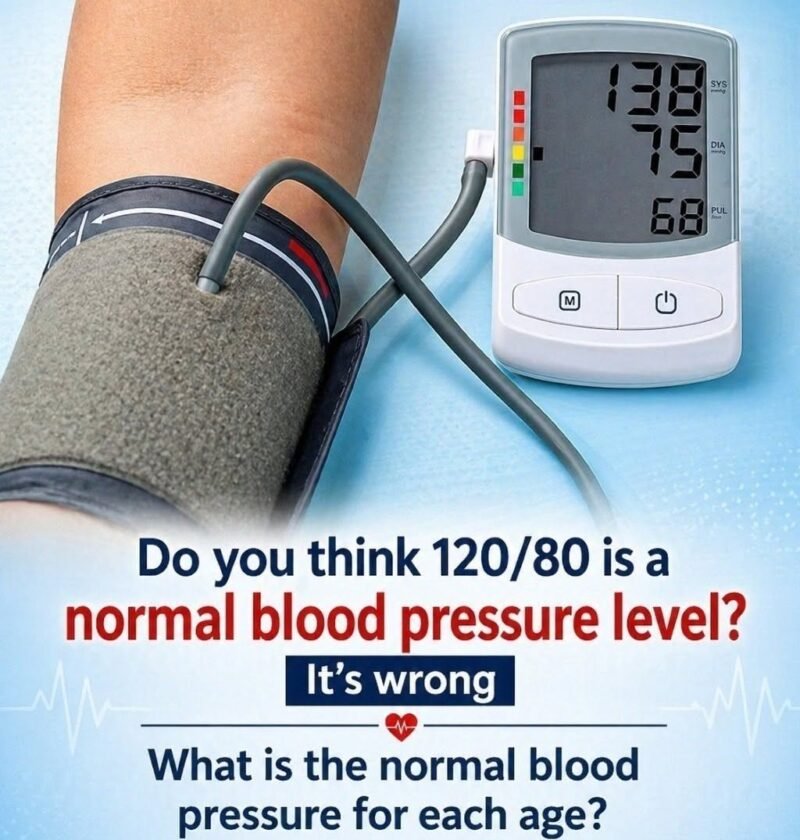
There isn’t a separate “normal” blood-pressure number for every age. In adults, blood-pressure categories are generally based on the actual readings, along with the person’s overall health and medical history.
For adults, a commonly used classification is:
| Blood pressure | Systolic | Diastolic |
|---|---|---|
| Normal | <120 | and <80 mmHg |
| Elevated | 120–129 | and <80 mmHg |
| High — Stage 1 | 130–139 | or 80–89 mmHg |
| High — Stage 2 | ≥140 | or ≥90 mmHg |
| Severe hypertension | ≥180 | and/or ≥120 mmHg |
These categories are for adults; children and teenagers have different age-, supposed to become very high simply because someone is older. Blood pressure does tend to increase with age in with stress, exercise, caffeine, pain, medications, and even how the measurement is taken. sex-, and height-based reference standards.
What about older adults?
It’s a common misconception that blood pressure is supposed to become very high simply because someone is older. Blood pressure does tend to increase with age in many people, but high blood pressure should not automatically be considered normal aging.
A single elevated reading doesn’t necessarily mean someone has hypertension. Blood pressure varies with stress, exercise, caffeine, pain, medications, and even how the measurement is taken. Repeated measurements under appropriate conditions give a much better picture.
🚨 When is it an emergency?
A reading of 180/120 mmHg or higher is severely elevated. If it occurs with chest pain, shortness of breath, severe headache, weakness or numbness, confusion, vision changes, or difficulty speaking, seek emergency medical care immediately.
For a consistently elevated reading without emergency symptoms, arrange a medical evaluation rather than trying to lower it rapidly on your own.
If you tell me the person’s age and blood-pressure reading (for example, 65 years old and 145/88), I can explain what that reading means.