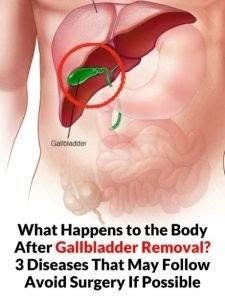
What Happens to the Body After Gallbladder Removal?
Gallbladder removal (cholecystectomy) is a common operation, and most people can live normally without a gallbladder. The liver continues to make bile; instead of being stored in the gallbladder, bile flows directly into the small intestine.
The claim that people should “avoid surgery if possible” is too broad. Whether surgery is appropriate depends on why the gallbladder is causing problems. For symptomatic gallstones, recurrent inflammation, or certain complications, surgery may prevent serious problems.
Three problems that can occur after gallbladder removal
-
Diarrhea or changes in bowel habits
Because bile flows continuously into the intestine, some people develop looser or more frequent stools after surgery. This is often temporary, although a minority have persistent symptoms. -
Bile reflux or digestive discomfort
Some people experience abdominal discomfort, indigestion, bloating, or reflux-like symptoms after surgery. These symptoms have multiple possible causes and aren’t necessarily caused by the operation itself. -
Post-cholecystectomy symptoms
A small proportion of patients continue to experience abdominal pain, nausea, indigestion, or other symptoms after surgery. Sometimes this happens because the original symptoms had another cause, while in other cases there may be a bile-duct problem or another gastrointestinal condition requiring evaluation.
Should you avoid gallbladder surgery?
Not simply because of fear of these possible effects. Surgery has risks, but leaving certain gallbladder problems untreated can also have serious consequences. Gallstones can cause recurrent attacks, inflammation of the gallbladder, blockage of the bile ducts, or pancreatitis.
People who have gallstones without symptoms often don’t need surgery, whereas people with recurrent symptomatic gallstones or complications may be advised to have their gallbladder removed.
If you’re considering surgery, ask your surgeon about why it is recommended in your particular case, what alternatives exist, and your individual risks and expected benefits. The right decision depends on the diagnosis—not on a blanket rule to avoid gallbladder removal.