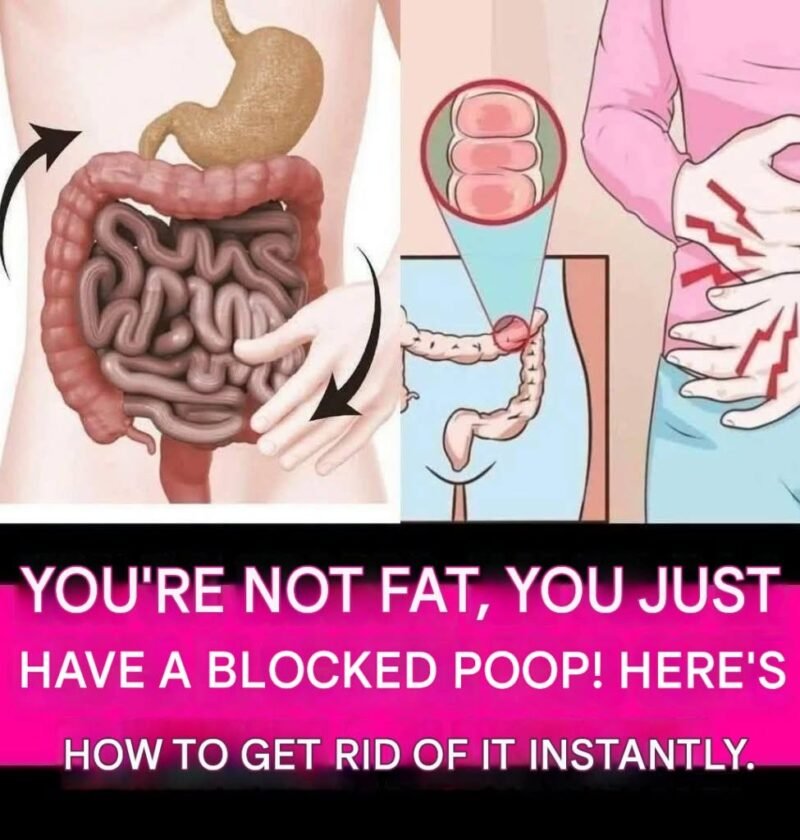
Headlines like “How to Eliminate Excess Stool in Your Bowel Naturally (1/3)” use multi-part clickbait formatting to create urgency and curiosity around normal digestive processes.
In a healthy body, the colon naturally eliminates waste on a regular schedule without needing aggressive “cleanses” or detox products. If you are feeling backed up or sluggish, managing stool buildup safely comes down to supporting your digestive tract’s natural rhythms.
Natural, Evidence-Based Ways to Support Regular Bowel Movements
-
Increase Soluble and Insoluble Fiber: Fiber adds bulk to your stool and softens it, making it much easier to pass. Incorporate fiber-rich foods gradually, such as beans, lentils, whole grains, oats, berries, chia seeds, and leafy greens.
-
Stay Well-Hydrated: Fiber needs water to work effectively. Without enough fluids, increasing fiber can actually worsen constipation. Drinking plenty of water throughout the day keeps stool soft and moving smoothly.
-
Prioritize Movement and Exercise: Physical activity helps stimulate the muscles in your intestinal walls (a process called peristalsis), encouraging waste to move through the colon. Even a brisk daily walk can make a noticeable difference.
-
Establish a Routine: Your bowels thrive on routine. Try sitting on the toilet around the same time each day—often shortly after breakfast, as eating naturally triggers colonic contractions (the gastrocolic reflex).
-
Adjust Your Toilet Posture: Using a small footstool to elevate your knees while sitting (bringing your knees above your hips) straightens out the anorectal angle, making elimination physically easier and requiring less strain.
When to Consult a Doctor
While occasional sluggishness or mild constipation is very common and usually resolves with lifestyle adjustments, you should seek medical evaluation if you experience:
-
Severe abdominal pain, cramping, or persistent bloating.
-
Constipation that lasts for more than two or three weeks despite dietary and lifestyle changes.
-
Blood in your stool or unexplained weight loss.
-
Alternating bouts of severe diarrhea and constipation.
Are you experiencing persistent discomfort or irregular bowel movements, or did this headline catch your eye while browsing?